Tech: The New God.
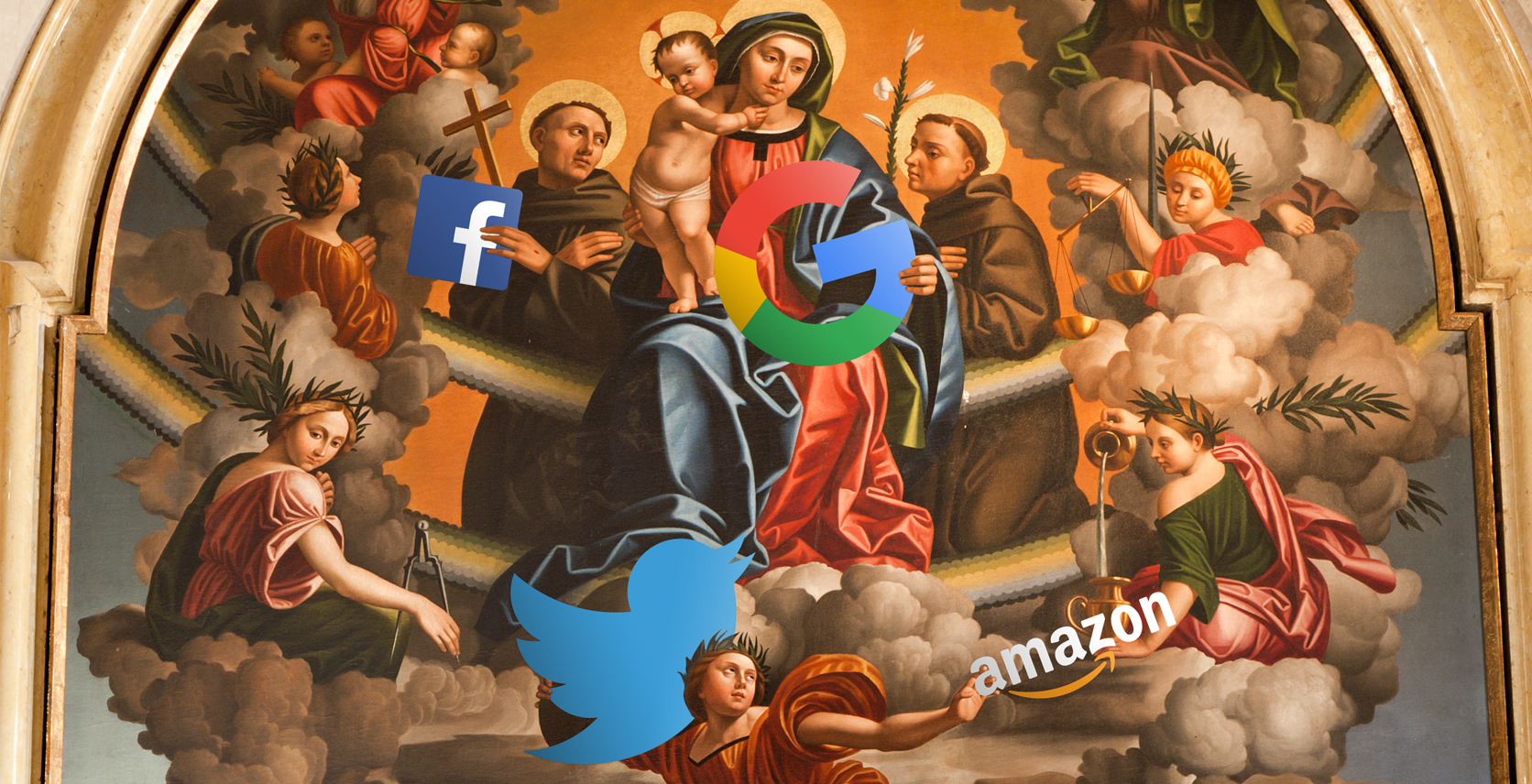
Tech: The New God
Introduction
Remember flipping through physical encyclopedias for a school project? Or waiting impatiently for your favorite song to play on the radio so you could record it on a cassette? Those days feel like ancient history, don’t they? Today, we have instant access to almost any information imaginable, and music streaming services that cater to our every whim. We live in an age where technology is not just a tool, but a pervasive force, shaping our lives in ways we’re only beginning to understand. Is tech simply making our lives easier, or is it morphing into something more… akin to a new, all-encompassing deity?
This isn’t about worshipping silicon chips and algorithms, but about recognizing the profound influence technology wields over our society, our relationships, and even our sense of self. Think about it: we consult Google for answers to life’s big questions, rely on GPS to guide our journeys, and use social media to define our social standing. Tech isn’t just a part of our lives; it’s woven into the very fabric of it.
The Short-Term Buzz: Convenience and Connection
Let’s face it: in the short term, tech has delivered on its promises of convenience and connection. We can order groceries online, video chat with family across continents, and collaborate on projects with colleagues from around the globe, all with a few taps on a screen. E-commerce has revolutionized shopping, telemedicine has broadened access to healthcare, and online education has democratized learning.
Look at companies like Amazon. They’ve mastered the art of instant gratification, offering next-day (or even same-day!) delivery on millions of items. This speed and convenience have fundamentally changed our expectations of commerce, pushing other businesses to adapt or risk being left behind. Similarly, platforms like Zoom and Slack have transformed the way we work, allowing for remote collaboration and flexible work arrangements. The short-term benefits are undeniable, and they’ve led to increased productivity, efficiency, and global interconnectedness.
The Long Game: A Faustian Bargain?
But what about the long game? While the immediate benefits of technology are enticing, the long-term impacts raise serious questions. Are we sacrificing genuine human connection for digital interactions? Is the constant barrage of information overwhelming our ability to focus and think critically? And are we becoming overly reliant on technology, making ourselves vulnerable to its potential pitfalls?
One major concern is the erosion of privacy. Our data is constantly being collected, analyzed, and used to target us with personalized ads. While some may see this as a harmless convenience, others worry about the potential for manipulation and control. The Cambridge Analytica scandal, where data from millions of Facebook users was harvested without their consent and used for political advertising, serves as a stark reminder of the risks involved.
Another pressing issue is the impact of technology on our mental health. Studies have shown a correlation between excessive social media use and increased rates of anxiety, depression, and loneliness. The constant comparison to others, the pressure to maintain a perfect online persona, and the fear of missing out (FOMO) can take a heavy toll on our well-being. Furthermore, the addictive nature of many digital platforms can lead to compulsive behavior and dependence.
Finally, we need to consider the societal implications of automation and artificial intelligence. While these technologies have the potential to boost productivity and create new opportunities, they also threaten to displace workers in various industries. As AI becomes more sophisticated, we need to grapple with the ethical and economic challenges it poses, ensuring that the benefits are shared equitably and that no one is left behind.
Reclaiming Control: Practical Solutions for a Tech-Saturated World
The good news is that we’re not powerless in the face of this technological tide. We can take proactive steps to reclaim control and ensure that technology serves us, rather than the other way around. Here are some practical solutions:
- Mindful Consumption: Be conscious of how you’re using technology. Set limits for social media use, turn off notifications, and designate specific times for checking email. Consider using apps that track your screen time and help you stay within your self-imposed boundaries. A “digital detox” can be incredibly beneficial, allowing you to disconnect from the digital world and reconnect with yourself and your surroundings.
- Prioritize Real-Life Connections: Make a conscious effort to cultivate meaningful relationships with people in your life. Schedule regular in-person gatherings with friends and family, participate in community activities, and engage in hobbies that bring you joy. Studies show that strong social connections are essential for our mental and physical health.
- Protect Your Privacy: Be mindful of the data you’re sharing online. Adjust your privacy settings on social media platforms, use strong passwords, and be cautious about clicking on suspicious links. Consider using a VPN to encrypt your internet traffic and protect your online activity.
- Develop Critical Thinking Skills: Be wary of information you encounter online. Verify the source of information before sharing it, and be aware of potential biases. Cultivate your critical thinking skills by reading widely, engaging in thoughtful discussions, and questioning assumptions.
- Support Ethical Tech Companies: Choose to support companies that prioritize user privacy, data security, and ethical business practices. Research the companies you’re doing business with, and be willing to pay a premium for products and services that align with your values.
- Advocate for Responsible Tech Regulation: Contact your elected officials and advocate for regulations that protect consumers, promote competition, and ensure that technology is used in a responsible and ethical manner. Support organizations that are working to promote digital literacy and empower individuals to navigate the digital landscape.
Alternative Approaches: Finding What Works For You
There’s no one-size-fits-all solution to managing our relationship with technology. Here are a few alternative approaches you can consider:
- The Minimalist Approach: Embrace a minimalist lifestyle and intentionally reduce your reliance on technology. Get rid of unnecessary gadgets, unsubscribe from email lists, and simplify your digital life.
- The Intentional Tech User: Be highly intentional about how you use technology, carefully selecting the tools that are most beneficial to you and eliminating those that are not. Focus on using technology to enhance your life, rather than consuming it passively.
- The Tech-Positive Optimist: Embrace technology’s potential to solve global challenges and improve our lives. Focus on using technology to connect with others, learn new things, and make a positive impact on the world.
A Future Shaped by Choice
Technology isn’t inherently good or bad; it’s a tool that can be used for either positive or negative purposes. The future of our relationship with technology depends on the choices we make today. By being mindful of our consumption, prioritizing real-life connections, protecting our privacy, and advocating for responsible tech regulation, we can ensure that technology serves as a force for good in our lives and in the world.
The power to shape our digital future lies in our hands. Let’s choose to use technology wisely, intentionally, and ethically, creating a future where technology enhances our humanity, rather than diminishes it. The “new god” doesn’t have to dictate our lives; we can write our own digital destiny. The journey may be challenging, but the potential rewards—a more balanced, connected, and fulfilling life—are well worth the effort.