Technology: Humanity’s Double-Edged Algorithm.
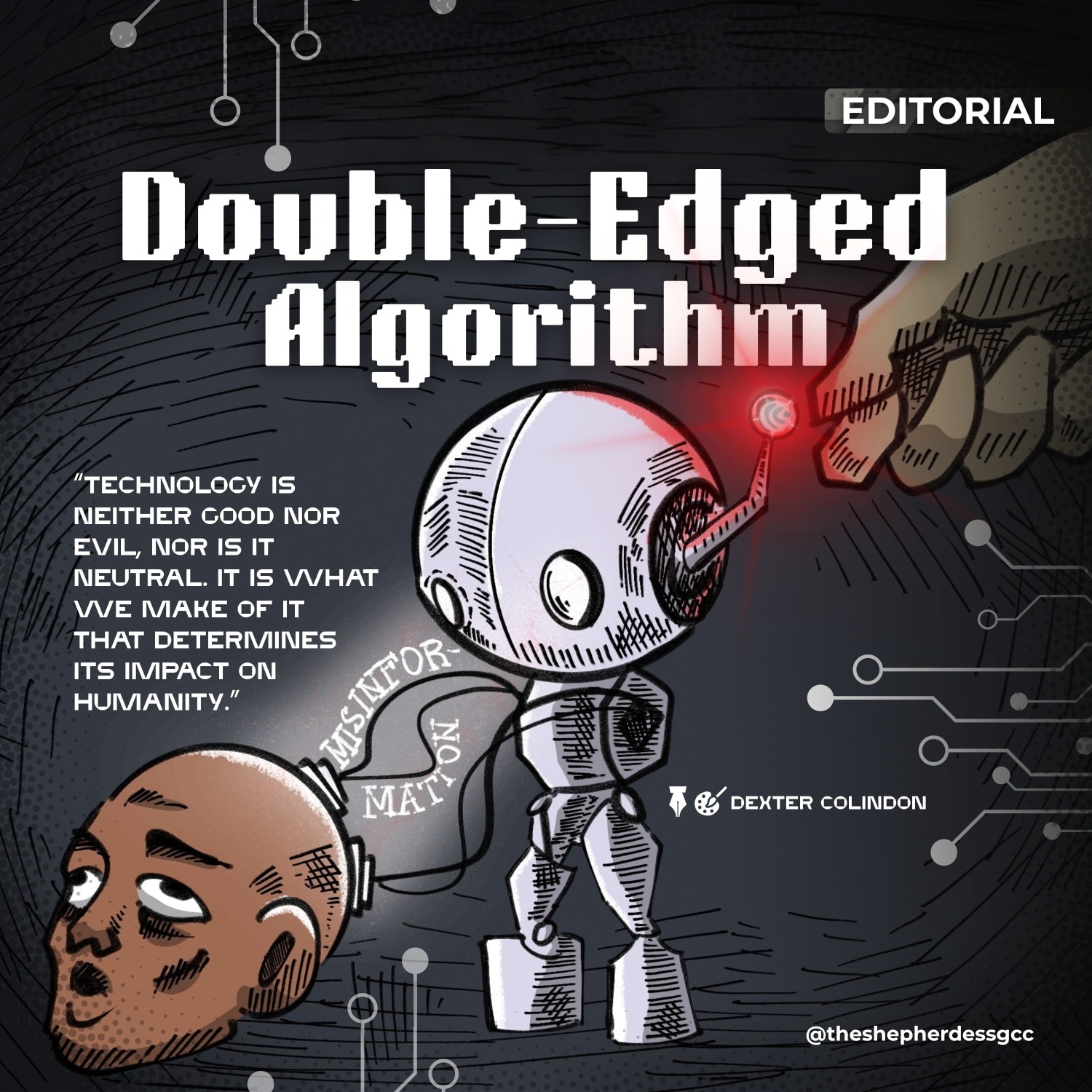
Technology: Humanity’s Double-Edged Algorithm
Introduction
We live in an age defined by technology. From the smartphones buzzing in our pockets to the algorithms shaping our news feeds, technology is an ever-present force, a silent architect constantly reshaping our world. But is this force purely benevolent? Or are we wielding a double-edged sword, one that promises progress but threatens unintended consequences? Let’s unpack this, because understanding this complex relationship is crucial for navigating the future.
Think about it. A few decades ago, instant communication across continents was the stuff of science fiction. Now, we can video call anyone, anywhere, anytime. Medical breakthroughs fueled by AI are saving lives and extending lifespans. Automation is streamlining industries, promising increased efficiency and productivity. The potential for good is undeniably enormous.
Explanation of the Problem
However, scratch beneath the surface, and a more nuanced picture emerges. The same technology that connects us can also isolate us, trapping us in echo chambers of our own beliefs. The algorithms designed to inform us can instead manipulate us, feeding us misinformation and exploiting our biases. And the automation promising efficiency threatens widespread job displacement, potentially exacerbating existing inequalities.
This isn’t some dystopian fantasy; we’re seeing these effects unfold in real-time. The rise of social media, for example, has been lauded for its ability to connect people and facilitate social movements. Yet, it has also been weaponized to spread propaganda, incite violence, and fuel polarization. The instant gratification offered by our digital devices can lead to decreased attention spans and a constant craving for validation, impacting our mental wellbeing.
So, where does this leave us? Are we doomed to be victims of our own technological creations? Absolutely not. The key lies in understanding the short-term and long-term implications of technology and proactively shaping its development and implementation.
Short-Term Impacts: Navigating the Immediate Challenges
In the immediate future, the most pressing challenges revolve around managing the digital deluge and mitigating its negative effects on our mental and social wellbeing.
- Combating Misinformation: The spread of fake news and disinformation is a clear and present danger. We need to be more critical consumers of information, verifying sources and challenging our own biases. Fact-checking organizations are playing a vital role, but ultimately, media literacy needs to be integrated into our education systems. Imagine a world where every student learns how to critically evaluate online content – a powerful defense against manipulation.
- Promoting Digital Wellbeing: Constant connectivity can be draining. We need to consciously cultivate digital habits that promote wellbeing. This includes setting boundaries with technology, scheduling digital detoxes, and prioritizing real-world interactions. Think of it like a diet: moderation is key. Instead of endlessly scrolling, dedicate that time to hobbies, connecting with loved ones, or simply enjoying the present moment.
- Addressing Algorithmic Bias: Algorithms are trained on data, and if that data reflects existing biases, the algorithms will perpetuate and even amplify them. We need to ensure that the data used to train algorithms is representative and that the algorithms themselves are regularly audited for bias. This requires a multi-faceted approach involving data scientists, ethicists, and policymakers working together.
Long-Term Impacts: Shaping a Technological Future Worth Living In
Looking further down the road, the challenges become more complex and the stakes even higher. We need to ensure that technology serves humanity, rather than the other way around.
- Preparing for the Future of Work: Automation and AI are poised to transform the job market. We need to proactively prepare for this shift by investing in education and training programs that equip people with the skills needed for the jobs of the future. This might involve focusing on skills that are difficult to automate, such as critical thinking, creativity, and emotional intelligence. It could also mean exploring new models of work, such as the gig economy, and ensuring that workers are protected in these new environments. Imagine a future where technology liberates us from mundane tasks, allowing us to focus on meaningful and fulfilling work – a future we can actively shape.
- Ensuring Equitable Access: Technology can exacerbate existing inequalities if access is not equitable. We need to bridge the digital divide by ensuring that everyone has access to affordable internet and the digital skills they need to participate in the digital economy. This requires investment in infrastructure, digital literacy programs, and policies that promote digital inclusion. A truly connected world is one where everyone benefits from the opportunities that technology offers.
- Developing Ethical AI: AI has the potential to revolutionize healthcare, education, and countless other fields. However, it also raises profound ethical questions. We need to develop ethical guidelines and regulations for the development and deployment of AI to ensure that it is used responsibly and in a way that benefits humanity. This includes addressing issues such as bias, transparency, and accountability. We must actively steer AI towards becoming a force for good.
Solutions
Here are some actionable steps you can take, depending on your role and interests:
- For Individuals: Practice mindful technology use. Set screen time limits, curate your social media feeds, and actively seek out diverse perspectives. Educate yourself about the potential risks and benefits of technology. Support organizations that are working to promote digital literacy and ethical AI.
- For Businesses: Invest in employee training programs that focus on digital literacy and ethical decision-making. Implement policies that promote digital wellbeing. Be transparent about how you are using data and algorithms. Support research and development of ethical AI.
- For Policymakers: Develop regulations that promote data privacy, prevent algorithmic bias, and ensure equitable access to technology. Invest in education and training programs that prepare people for the future of work. Foster international collaboration on ethical AI standards.
- For Educators: Integrate media literacy and digital citizenship into the curriculum. Teach students how to critically evaluate online information and how to use technology responsibly. Promote digital wellbeing and discourage cyberbullying.
Examples and Case Studies:
- Khan Academy: An online learning platform offering free educational resources, demonstrating how technology can democratize access to education.
- The Ada Lovelace Institute: A research institute exploring the ethical and societal implications of AI and data-driven technologies.
- Cities implementing smart city technologies: Showcasing the potential of technology to improve urban life, but also highlighting the need for careful planning and consideration of privacy concerns.
The key is to be proactive. We can’t afford to be passive observers of the technological revolution. We need to actively shape its trajectory, ensuring that it aligns with our values and aspirations. This requires a collective effort involving individuals, businesses, policymakers, and educators working together to create a future where technology empowers us all.
Conclusion
Technology truly is a double-edged algorithm. But unlike an algorithm, we have the power to choose the inputs and outputs. We have the power to write the code for our future. The challenges are significant, but the potential rewards are even greater.
Don’t feel overwhelmed. Start small. Make conscious choices about how you use technology. Educate yourself and others. Engage in conversations about the ethical implications of technology. Support initiatives that are working to create a more just and equitable digital world.
The future of technology is not predetermined. It is being written every day, by each of us. Let’s choose to write a future where technology empowers humanity, fosters connection, and helps us create a world that is truly worth living in. Let’s not just adapt to technology; let’s actively shape it, one line of code, one mindful choice, one informed decision at a time. The power is in our hands; let’s use it wisely.