Tech Tsunami: What’s Next?
Tech Tsunami: What’s Next?
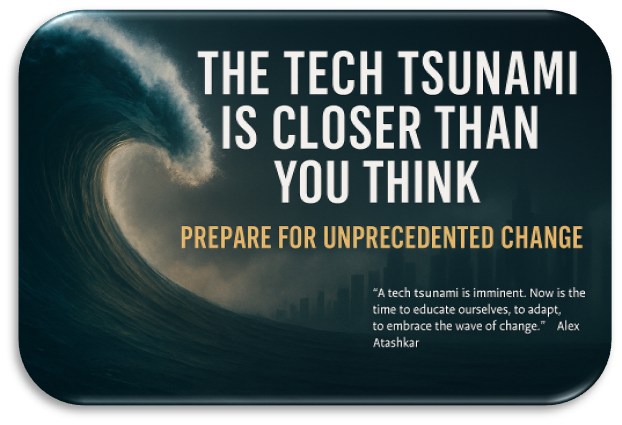
Remember when dial-up was the bane of your existence, and a smartphone was something out of a sci-fi movie? Fast forward to today, and we’re practically cyborgs, surgically attached to our devices. The speed of technological advancement has gone from a gentle stream to a raging torrent, and it’s fair to say we’re smack-dab in the middle of a Tech Tsunami.
But beyond the cool gadgets and viral TikTok trends, what does this constant wave of innovation really mean for us – as individuals, businesses, and society as a whole? Are we just passive surfers riding the wave, or can we actively shape its direction? Let’s dive in and explore the short-term tremors, the long-term impact, and, most importantly, how we can not just survive, but thrive, in this digital deluge.
The Short-Term Shockwaves: Disruption and Opportunity
Right now, the most immediate impact of the Tech Tsunami is, well, disruption. Industries are being turned on their heads. Think about the rise of e-commerce and the subsequent challenges faced by brick-and-mortar stores. Or the explosion of AI, prompting anxieties about job displacement in fields ranging from data entry to content creation.
This disruption isn’t just about losing jobs; it’s about shifting jobs. The demand for skills in areas like data science, cybersecurity, and AI engineering is skyrocketing. Companies are scrambling to find talent that can navigate this new landscape. For individuals, this means constantly upskilling and adapting. The days of learning one trade and sticking to it for life are largely gone.
However, with every disruption comes opportunity. The Tech Tsunami is creating entirely new industries and business models. Consider the gig economy, powered by platforms like Uber and Airbnb, or the burgeoning field of personalized medicine, driven by advancements in genomics and data analytics. The key is to identify these emerging trends early and position yourself to capitalize on them.
Long-Term Ripples: Societal Transformation
Looking further down the line, the implications of the Tech Tsunami are even more profound. We’re talking about fundamental shifts in how we live, work, and interact with each other.
- The Future of Work: Automation will undoubtedly continue to reshape the workforce. While some jobs will be eliminated, new ones will emerge that require creativity, critical thinking, and emotional intelligence – skills that are difficult (if not impossible) for machines to replicate. This necessitates a renewed focus on education and training programs that emphasize these skills.
- The Age of Hyper-Connectivity: The Internet of Things (IoT) promises a world where everything is connected, from our refrigerators to our cars. While this offers incredible convenience and efficiency, it also raises serious concerns about privacy and security. We need robust regulations and ethical frameworks to ensure that this hyper-connectivity doesn’t come at the expense of our personal freedoms.
- The Metaverse and Beyond: The metaverse, augmented reality (AR), and virtual reality (VR) are rapidly evolving, blurring the lines between the physical and digital worlds. This could revolutionize everything from education and entertainment to healthcare and social interaction. However, it’s crucial to address potential issues like digital addiction, social isolation, and the spread of misinformation in these immersive environments.
Riding the Wave: Practical Solutions for Navigating the Tech Tsunami
So, how do we navigate these turbulent waters and emerge stronger on the other side? Here are some practical solutions you can implement today:
- Embrace Lifelong Learning: This isn’t just a buzzword; it’s a necessity. Invest in your skills by taking online courses, attending workshops, or pursuing further education. Platforms like Coursera, edX, and Udemy offer a wealth of affordable and accessible learning opportunities.
- Example: Sarah, a former marketing assistant, took an online course in data analytics. Within a few months, she landed a higher-paying job as a marketing analyst, leveraging her newfound skills to analyze campaign performance and identify key insights.
- Develop Your “Human” Skills: While technical skills are important, don’t neglect your “human” skills like communication, collaboration, critical thinking, and creativity. These are the skills that will set you apart from the machines and make you valuable in any industry.
- Example: John, a software engineer, focused on improving his communication skills through Toastmasters. This helped him become a more effective team leader and presenter, leading to a promotion to project manager.
- Stay Informed and Adaptable: Keep up-to-date with the latest technological trends and be willing to adapt your skills and strategies as the landscape changes. Subscribe to industry newsletters, attend conferences, and network with professionals in your field.
- Example: A small business owner, initially resistant to social media marketing, recognized its growing importance and hired a consultant to help him develop a social media strategy. This resulted in a significant increase in brand awareness and sales.
- Focus on Ethical and Responsible Innovation: As technology becomes more powerful, it’s crucial to consider its ethical implications. Support companies and initiatives that prioritize responsible innovation and advocate for policies that protect privacy, promote fairness, and address societal challenges.
- Example: A group of researchers at MIT developed an AI algorithm designed to detect bias in loan applications, helping to ensure fairer lending practices.
- Embrace the Power of Community: Don’t try to navigate the Tech Tsunami alone. Connect with others in your field, share your knowledge and experiences, and collaborate on projects. Online communities, professional organizations, and networking events can provide valuable support and opportunities.
Alternative Approaches: Tailoring Solutions to Your Needs
Not every solution works for everyone. Here are some alternative approaches to consider, depending on your situation:
- For Individuals Facing Job Displacement: Instead of panicking, identify your transferable skills and explore new career paths that leverage those skills. Consider freelancing or starting your own business to gain more control over your career.
- For Businesses Struggling to Adapt: Partner with technology consultants or hire specialized talent to help you implement new technologies and strategies. Embrace a culture of experimentation and be willing to try new things.
- For Educators and Policymakers: Invest in education and training programs that prepare students for the jobs of the future. Develop policies that promote responsible innovation and address the ethical and societal challenges of emerging technologies.
A Future Forged by Choice, Not Chance
The Tech Tsunami is undeniably powerful, but it’s not an unstoppable force. We have the power to shape its direction and mitigate its negative impacts. By embracing lifelong learning, developing our human skills, staying informed, and focusing on ethical innovation, we can not only survive but thrive in this digital age.
The future isn’t something that happens to us; it’s something we create. So, let’s choose to be active participants, shaping the Tech Tsunami into a wave of progress, opportunity, and a better future for all. It’s time to grab our surfboards and ride. What are you waiting for?