Tech Tsunami: What’s About to Change Everything
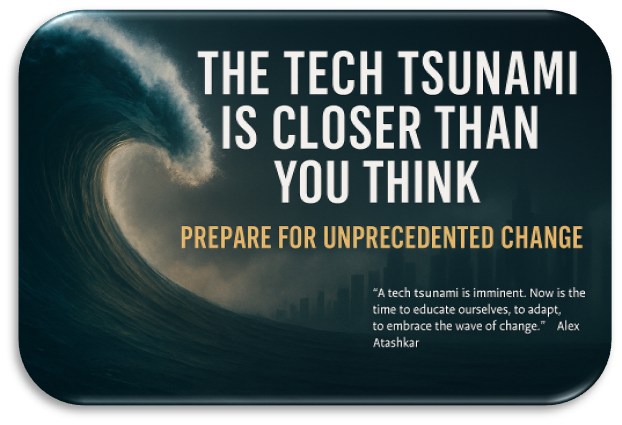
Tech Tsunami: What’s About to Change Everything
Introduction
Ever feel like you’re standing on the beach, watching a massive wave build on the horizon? That’s kind of what the current state of technology feels like. It’s not just about faster phones or fancier gadgets anymore. We’re talking about a fundamental shift, a “Tech Tsunami” poised to reshape everything from how we work and live to how we interact with the world around us. Are you ready to ride the wave, or will you be swept away by the tide?
This isn’t your typical doom-and-gloom piece about robots stealing your job. Instead, we’re going to break down what’s driving this tidal wave of innovation, what the immediate and longer-term impacts might be, and most importantly, how you can not only survive but thrive in this new reality.
The Forces Gathering Strength: A Perfect Storm of Innovation
So, what’s fueling this “Tech Tsunami”? Several powerful currents are converging:
- Artificial Intelligence (AI): Forget the sci-fi movie scenarios for a second. AI is already deeply integrated into our lives, from personalized recommendations on Netflix to fraud detection in banking. But we’re on the cusp of truly intelligent AI, capable of learning, adapting, and creating in ways we’ve only dreamed of.
- The Internet of Things (IoT): Imagine a world where everything is connected. Your refrigerator orders groceries when you’re running low, your car navigates traffic in real-time, and your home adjusts the temperature based on your preferences. The IoT is making this a reality, generating a massive influx of data and new possibilities.
- Blockchain Technology: More than just cryptocurrency, blockchain offers a secure and transparent way to record transactions and manage data. This has the potential to revolutionize industries like supply chain management, healthcare, and voting.
- Quantum Computing: Currently in its nascent stages, quantum computing promises to deliver exponential increases in processing power. This could unlock solutions to complex problems that are currently impossible for classical computers, from drug discovery to materials science.
Short-Term Impacts: The Ripple Effect We’re Already Feeling
The initial waves of this “Tech Tsunami” are already breaking on our shores:
- Automation in the Workplace: AI and robotics are increasingly automating routine tasks across industries. This is leading to increased efficiency and productivity, but also raises concerns about job displacement. Think self-checkout kiosks at grocery stores or automated customer service chatbots.
- Personalized Experiences: Technology is becoming increasingly personalized. From targeted advertising to tailored healthcare, companies are using data to create customized experiences for individuals. This can be a boon for consumers, but also raises ethical concerns about privacy and data security.
- The Rise of Remote Work: The pandemic accelerated the trend toward remote work, and technology is enabling this shift to become permanent. This offers greater flexibility and work-life balance, but also presents challenges for collaboration and communication.
- Increased Cyber Threats: As our reliance on technology grows, so does our vulnerability to cyber threats. From ransomware attacks to data breaches, the potential for malicious actors to disrupt our lives is increasing.
Long-Term Impacts: Reshaping the Landscape
Looking further down the line, the “Tech Tsunami” promises to reshape the world in profound ways:
- The Redefinition of Work: The nature of work itself will change as AI and automation take over routine tasks. This will require us to develop new skills and adapt to a more fluid and dynamic job market. Creativity, critical thinking, and emotional intelligence will become increasingly valuable assets.
- Smart Cities and Sustainable Living: Technology will play a crucial role in creating more sustainable and livable cities. From smart grids to autonomous vehicles, technology can help us reduce our environmental impact and improve the quality of life for urban dwellers.
- Revolutionizing Healthcare: AI and biotechnology have the potential to revolutionize healthcare, from personalized medicine to early disease detection. This could lead to longer, healthier lives for people around the world.
- The Metaverse and Immersive Experiences: The metaverse is a persistent, shared, 3D virtual world where users can interact with each other and with digital objects. This could transform how we socialize, work, and learn.
Riding the Wave: Practical Solutions for Navigating the Tech Tsunami
Okay, so the wave is coming. What can you do to prepare? Here are some practical steps you can take to not just survive, but thrive in this new world:
- Embrace Lifelong Learning: The most important skill in the age of technological disruption is the ability to learn and adapt. Invest in continuous learning, whether it’s taking online courses, attending workshops, or simply reading books and articles about emerging technologies.
- Example: Platforms like Coursera, edX, and Udemy offer a wide range of courses on topics like AI, data science, and blockchain technology.
- Develop Essential Skills: Focus on developing skills that are difficult to automate, such as creativity, critical thinking, problem-solving, and emotional intelligence.
- Example: Participate in brainstorming sessions, take on challenging projects that require creative solutions, and practice active listening and empathy.
- Become Data Literate: Understanding how data is collected, analyzed, and used is essential in the age of big data. Develop your data literacy skills to make informed decisions and protect your privacy.
- Example: Learn basic statistics, data visualization techniques, and data privacy principles.
- Stay Informed and Engaged: Keep up with the latest technological trends and engage in discussions about their implications. This will help you understand the challenges and opportunities that lie ahead.
- Example: Follow reputable technology news sources, attend industry conferences, and participate in online forums and communities.
- Embrace Change and Experiment: Be open to new ideas and technologies, and don’t be afraid to experiment. This will help you develop a growth mindset and adapt to the ever-changing landscape.
- Example: Try out new software tools, attend hackathons, and participate in pilot projects.
- Advocate for Responsible Technology: As technology becomes more powerful, it’s important to advocate for responsible development and deployment. This includes addressing ethical concerns, ensuring fairness and transparency, and protecting privacy.
- Example: Support organizations that are working to promote responsible technology, participate in policy discussions, and advocate for regulations that protect consumers and society.
Alternative Approaches: Tailoring Your Strategy
Different people will require different approaches. Here are a few alternative strategies to consider:
- The “Early Adopter”: If you’re comfortable with risk and have a strong interest in technology, you can embrace new technologies early and become a leader in your field. This involves investing time and resources in learning about emerging technologies and experimenting with new applications.
- The “Strategic Follower”: If you’re more risk-averse, you can wait for new technologies to mature and become more widely adopted before investing in them. This allows you to learn from the mistakes of others and avoid the pitfalls of early adoption.
- The “Specialized Niche”: Focus on developing deep expertise in a specific niche area that is not easily automated. This could involve a combination of technical and soft skills that are difficult to replicate.
Conclusion: A Wave of Opportunity
The “Tech Tsunami” is undoubtedly disruptive, but it also presents immense opportunities. By embracing lifelong learning, developing essential skills, and staying informed and engaged, you can navigate this wave of change and emerge stronger than ever. This isn’t about fearing the future; it’s about actively shaping it. The future powered by technology is not something that happens to you; it’s something you can participate in creating. So, grab your board, paddle out, and get ready to ride! The future is waiting.