Skyscrapers Could Soon Have Storing Renewable Energy
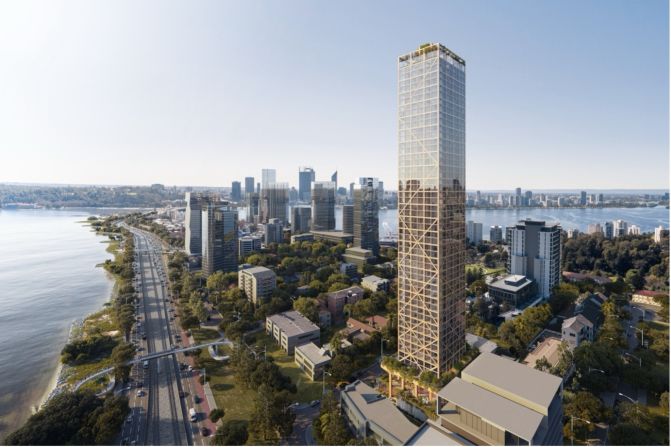
Skyscrapers Could Soon Have Storing Renewable Energy
As the world transitions to renewable energy, the need for efficient and innovative energy storage solutions becomes increasingly important. Traditional batteries, while effective, face challenges related to cost, scalability, and environmental impact. Enter a new concept that could revolutionize how cities store and utilize energy: skyscrapers as energy storage systems.
The Concept: Energy Storage in Skyscrapers
The idea of using skyscrapers to store energy involves transforming these towering structures into massive batteries. This concept, known as “gravity-based energy storage,” leverages the potential energy generated by lifting and lowering heavy weights within a building. When excess renewable energy—such as solar or wind power—is available, it can be used to lift weights to higher floors within the skyscraper. Later, when energy demand increases, these weights are lowered, converting the stored potential energy back into electricity through regenerative braking systems.
How It Works: Gravity-Based Energy Storage
Gravity-based energy storage systems rely on the basic principles of physics. In skyscrapers, this potential energy can be harnessed by moving large masses, such as concrete blocks or water-filled containers, up and down the building’s height.
- Energy Storage: During periods of low energy demand, or when renewable energy production exceeds consumption, the system uses electricity to power motors that lift the weights to higher floors. This process stores energy in the form of potential energy.
- Energy Release: When energy demand is high, the weights are allowed to descend, driving generators that convert the kinetic energy back into electricity. This electricity can then be fed into the grid or used to power the building.
Advantages of Skyscraper Energy Storage
Using skyscrapers for energy storage offers several key advantages:
- Scalability: Skyscrapers, with their significant height, provide ample space to store large amounts of energy.
- Efficiency: Gravity-based systems are highly efficient, with minimal energy loss during the storage and release process. Unlike chemical batteries, which degrade over time, gravity-based systems can operate for decades with minimal maintenance.
- Sustainability: The materials used in gravity-based storage systems—such as concrete blocks—are abundant and environmentally friendly. Additionally, these systems do not produce harmful emissions or rely on rare earth metals, making them a sustainable alternative to traditional batteries.
- Grid Stability: Integrating energy storage into skyscrapers can help stabilize the grid by providing a reliable source of power during peak demand periods or when renewable energy generation is low. This reduces the need for fossil fuel-based power plants, contributing to a cleaner energy grid.
Challenges and Considerations
While the concept of skyscraper energy storage is promising, there are challenges to consider:
- Retrofitting Existing Buildings: Implementing gravity-based energy storage in existing skyscrapers may require significant modifications, including the installation of heavy-duty lifting systems and structural reinforcements.
- Cost: The initial investment required to develop and install these systems could be substantial. However, the long-term benefits of reduced energy costs and increased grid reliability may offset these upfront expenses.
- Public Perception: As with any new technology, public acceptance is crucial. Educating building owners, tenants, and the general public about the benefits of skyscraper energy storage will be key to its widespread adoption.
The Future of Urban Energy Storage
As cities continue to grow and the demand for renewable energy increases, innovative solutions like skyscraper energy storage will play a critical role in shaping the future of urban infrastructure. By repurposing existing buildings to serve as energy storage systems, cities can reduce their reliance on fossil fuels, improve grid stability, and make better use of the space they already have.
The potential for skyscrapers to store renewable energy is a testament to human ingenuity and our ability to adapt to the challenges of a changing world. As this concept moves from theory to practice, it could transform the way we think about energy storage and urban development, paving the way for a more sustainable future.