Woolly Rhino Found Preserved in Russian Permafrost After 32,000 Years
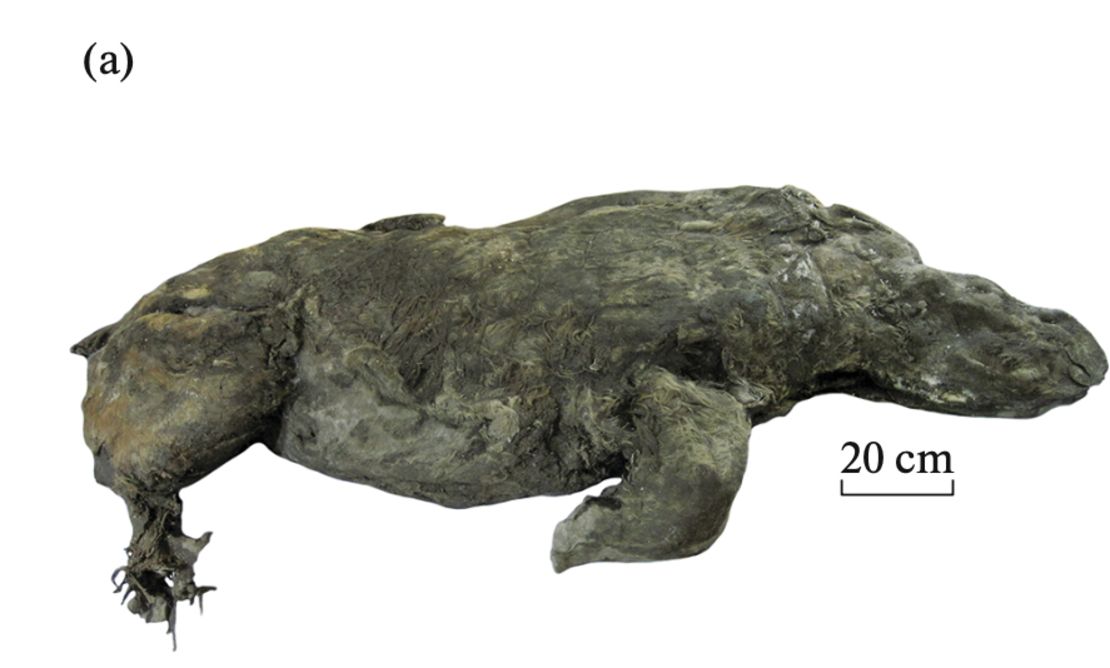
In a remarkable discovery that has captivated the scientific community and the public alike, a nearly complete woolly rhinoceros has been found preserved in the permafrost of Siberia, Russia, after lying undisturbed for approximately 32,000 years. This incredible find not only offers a rare glimpse into the prehistoric past but also sheds light on the climatic conditions and ecosystems of the Pleistocene epoch.
The Discovery
The woolly rhinoceros was discovered by a team of researchers from the Russian Academy of Sciences during an expedition in Yakutia, an area known for its rich deposits of Ice Age fossils. The team stumbled upon the remarkably well-preserved specimen, which includes intact skin and fur, a rarity among fossil finds. Initial examinations revealed that the woolly rhino had a well-preserved skull, limbs, and even some of its internal organs, providing invaluable data for researchers studying Pleistocene megafauna.
The finding comes at a time when climate change is rapidly thawing permafrost regions, leading to the unearthing of ancient animals that had been frozen for millennia. As the permafrost continues to melt, paleontologists are eager to explore these areas, hoping to discover more specimens that could offer insights into ancient life.
Woolly Rhinoceros: An Icon of the Ice Age
The woolly rhinoceros, scientifically known as Coelodonta antiquitatis, roamed the northern regions of Europe and Asia during the last Ice Age. Characterized by its thick, shaggy fur, large size, and two prominent horns on its snout, this herbivorous giant adapted to the frigid conditions of its environment. Woolly rhinos primarily fed on grasses, shrubs, and other vegetation found in the tundra and steppe ecosystems.
Woolly rhinoceroses were not solitary creatures; they likely lived in herds, providing protection against predators and increasing their chances of survival. They were well-adapted to their environment, with a layer of fat beneath their skin to insulate against the cold, and they could traverse snowy terrains with ease. Unfortunately, like many other megafauna, they eventually succumbed to hunting pressures from early humans and climate changes, leading to their extinction approximately 10,000 years ago.
Scientific Significance of the Find
The discovery of the woolly rhino in Siberia holds tremendous significance for scientists. First and foremost, it provides a unique opportunity to study the anatomy and physiology of a species that has been extinct for thousands of years. The preserved skin and fur can offer insights into the animal’s adaptation to cold climates, including the structure of its hair and the insulating properties of its fat layer.
Furthermore, this find could help researchers understand the dietary habits of woolly rhinoceroses. Analysis of the preserved remains could reveal information about their last meals, helping scientists piece together the flora of the time and how these animals interacted with their environment. This knowledge can contribute to broader studies on how ecosystems functioned during the Pleistocene epoch and how they responded to climatic shifts.
Climate Change and Its Impact on Fossil Discoveries
The melting of the permafrost due to climate change has been both a blessing and a curse for researchers. While it has led to incredible fossil discoveries, it also highlights the vulnerability of these ancient ecosystems. As the permafrost thaws, it releases not only ancient remains but also greenhouse gases that have been trapped for millennia, further exacerbating climate change.
The increasing frequency of such discoveries has prompted scientists to advocate for more extensive research in permafrost regions. These areas are like time capsules, preserving snapshots of past climates, ecosystems, and biodiversity. Understanding how ancient species adapted to changing conditions can provide valuable lessons for contemporary wildlife conservation efforts, especially as modern ecosystems face unprecedented challenges.
The Future of Woolly Rhino Research
Following the discovery, the woolly rhino will be subjected to further analysis and preservation efforts. Researchers plan to conduct detailed examinations using advanced imaging techniques and genetic analysis. These studies may provide clues about the relationship between woolly rhinos and their modern relatives, such as the Indian and white rhinoceros, as well as insights into their evolutionary history.
Additionally, scientists hope to explore the potential for de-extinction technologies. Advances in genetic engineering and cloning have led to discussions about the possibility of resurrecting extinct species like the woolly rhinoceros. While this remains a controversial and complex topic, the genetic material recovered from well-preserved specimens could serve as a foundation for such efforts in the future.
Public Interest and Educational Opportunities
The discovery of the woolly rhinoceros has sparked significant interest among the public and educational institutions. Museums and science centers are eager to showcase the findings, using them as an opportunity to educate people about the Ice Age, extinct species, and the effects of climate change on our planet.
Interactive exhibits and educational programs will aim to engage visitors in discussions about biodiversity, conservation, and the importance of preserving our natural heritage. The woolly rhino’s story serves as a reminder of the fragility of ecosystems and the interconnectedness of species, both past and present.
Conclusion
The preservation of the woolly rhinoceros in Siberia after 32,000 years provides a remarkable opportunity to study a species that has long been extinct. As researchers analyze this extraordinary find, they hope to unlock the secrets of the past, shedding light on the woolly rhino’s adaptations, behaviors, and ecological role during the Pleistocene epoch.
In an era of rapid climate change, the discovery also emphasizes the urgent need for conservation efforts and a deeper understanding of our planet’s history. The story of the woolly rhinoceros is not just about a single species; it represents a critical chapter in the broader narrative of life on Earth, reminding us of the resilience and vulnerability of all living beings in the face of environmental challenges.