Dark Skies Will Help the Draconid Meteor Shower Shine: Here’s How to See It
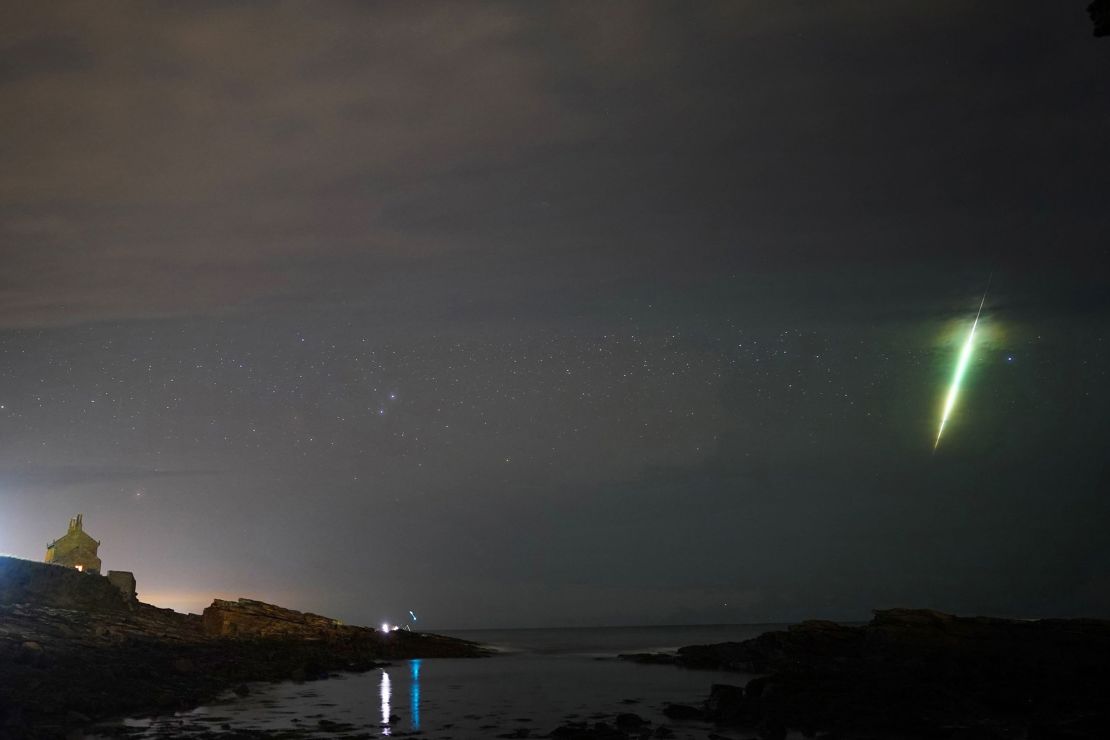
The Draconid meteor shower is set to light up the night sky this October, offering stargazers a spectacular celestial show. Known for producing slow-moving, bright meteors, the Draconids are one of the most eagerly awaited meteor showers of the year. This year’s display will be especially striking thanks to dark skies, as the shower coincides with the new moon, providing optimal viewing conditions for the dazzling streaks of light.
Here’s everything you need to know about the Draconid meteor shower and how to catch the best view.
When and Where to Watch
The Draconid meteor shower peaks annually around October 8-9, and this year, the peak will occur on the nights of Sunday, October 8, and Monday, October 9. Unlike many other meteor showers that are best seen in the pre-dawn hours, the Draconids are most visible in the evening, just after nightfall. This makes them more accessible for casual stargazers who prefer not to stay up all night.
For those in the Northern Hemisphere, where the Draconids are most visible, the best time to watch is shortly after sunset, as the constellation Draco, from which the meteors appear to originate, will be high in the sky.
Why This Year Is Special
One of the key reasons this year’s Draconid meteor shower will be particularly stunning is the lack of moonlight interference. With the new moon on October 6, the skies will be dark, offering a clearer view of the meteors. Moonlight can often wash out faint meteors, but with the moon absent from the night sky, even the faintest streaks of light will be visible.
What Causes the Draconid Meteor Shower?
The Draconid meteor shower occurs when the Earth passes through the debris left behind by the comet 21P/Giacobini-Zinner. As these tiny particles enter Earth’s atmosphere at high speeds, they burn up, creating the bright streaks of light known as meteors. What makes the Draconids unique is that they originate from the head of the constellation Draco the Dragon, giving the shower its name.
Unlike some meteor showers that produce fast-moving meteors, the Draconids are relatively slow, traveling at about 40,000 mph. This slower speed often results in longer-lasting meteors that can be more easily seen.
How Many Meteors Can You Expect?
The Draconids are known for being somewhat unpredictable in terms of meteor count. In most years, observers can expect to see between 5 and 10 meteors per hour. However, the Draconids are also famous for occasionally producing “outbursts”—years in which hundreds or even thousands of meteors streak across the sky in a single hour. While an outburst is not predicted for 2024, meteor showers can surprise, and it’s always worth watching for potential bursts of activity.
In past years, particularly in 1933 and 1946, the Draconids put on incredible shows, with thousands of meteors visible per hour. While it’s unlikely that this year will reach those levels, even a modest display against a dark sky can be breathtaking.
Best Viewing Tips
To make the most of the Draconid meteor shower, follow these simple tips:
- Find a Dark Location: The darker the skies, the better the visibility. Try to get away from city lights and other sources of light pollution. Rural areas or high-altitude spots tend to offer the best views.
- Give Your Eyes Time to Adjust: It can take up to 20-30 minutes for your eyes to fully adjust to the dark. Arrive early at your viewing spot and avoid looking at bright lights or screens.
- Look Northward: The meteors will appear to radiate from the constellation Draco, located in the northern sky. While you don’t have to stare directly at Draco to see the meteors, keeping an eye on the general area will improve your chances of spotting them.
- Dress Warmly and Get Comfortable: October nights can be chilly, so make sure to dress warmly and bring a blanket or reclining chair for comfort. Patience is key when meteor-watching, so be prepared to relax and enjoy the sky for a while.
- Don’t Use Binoculars or Telescopes: The best way to see meteor showers is with the naked eye, as binoculars and telescopes narrow your field of view. Meteor showers cover wide areas of the sky, so it’s best to take in as much of it as possible.
What If You Miss It?
If you’re unable to catch the peak of the Draconid meteor shower on October 8 or 9, don’t worry. While the number of meteors will taper off after the peak, the Draconids will remain active for a few more days, albeit with fewer meteors per hour. Additionally, October is a good month for meteor watching, with the Orionid meteor shower following closely behind, peaking around October 21.
Conclusion
The Draconid meteor shower offers a rare opportunity to see a celestial show without having to stay up all night, and this year’s dark skies make it even more special. Whether you’re an avid stargazer or just looking for a peaceful evening under the stars, the Draconids promise a stunning spectacle for those lucky enough to have clear skies. So, grab a blanket, head to a dark spot, and enjoy one of nature’s most beautiful nighttime displays.