Japanese Companies Unite for Innovative Carbon Capture Project in Hokkaido
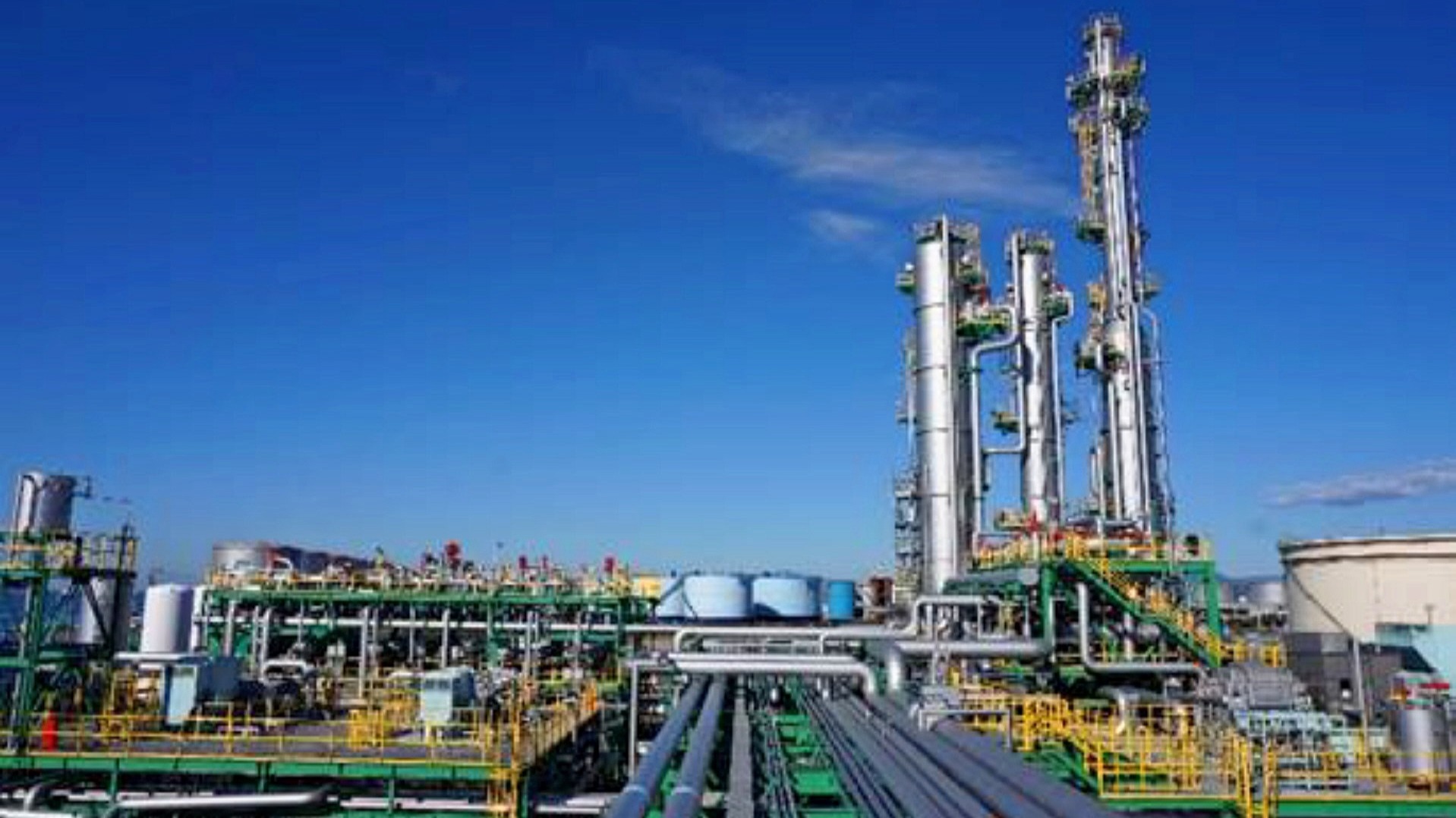
In a groundbreaking initiative aimed at combating climate change, several leading Japanese companies have joined forces to launch a major carbon capture and storage (CCS) project in Hokkaido. This collaboration is poised to position Japan at the forefront of carbon reduction technologies while addressing the country’s commitment to achieving net-zero emissions by 2050.
The Initiative
The carbon capture project, spearheaded by a consortium of prominent firms including Mitsubishi Heavy Industries, Chiyoda Corporation, and other industry leaders, aims to develop cutting-edge technologies for capturing carbon dioxide (CO2) emissions from industrial processes. The initiative will focus on creating a scalable and efficient system for capturing CO2 from various sources, such as power plants and manufacturing facilities, before it can enter the atmosphere.
Hokkaido, known for its natural resources and commitment to environmental sustainability, has been selected as the site for this pioneering project. The region’s existing infrastructure and support for innovative energy initiatives make it an ideal location for implementing CCS technologies.
Goals of the Project
The primary objectives of the Hokkaido carbon capture project include:
- Reducing Emissions: The consortium aims to capture significant volumes of CO2 emissions, contributing to Japan’s national target of reducing greenhouse gas emissions by 46% by 2030. The captured carbon will be stored underground or utilized in various industrial processes, effectively preventing it from contributing to global warming.
- Enhancing Technology Development: The project will focus on advancing carbon capture technologies to make them more efficient and economically viable. This includes research and development initiatives to improve existing methods of capturing CO2 and integrating them into industrial operations.
- Promoting Sustainability: By investing in carbon capture technologies, the project seeks to promote a circular economy where captured carbon is repurposed for other uses, such as producing synthetic fuels or materials. This not only contributes to emissions reduction but also supports the development of new industries in the region.
Significance for Japan’s Climate Goals
Japan has set ambitious targets for reducing its carbon footprint and transitioning to a low-carbon economy. The partnership between these companies represents a significant step towards achieving these goals, particularly in light of Japan’s heavy reliance on fossil fuels for energy production.
The Hokkaido project aligns with Japan’s broader strategy to invest in clean energy technologies and reduce dependence on coal and other high-emission energy sources. By harnessing CCS technology, Japan can work towards maintaining energy security while simultaneously addressing climate change.
Industry Support and Collaboration
The initiative has garnered support from the Japanese government and various industry stakeholders. The government has expressed its commitment to fostering innovation in carbon capture and promoting public-private partnerships to accelerate the deployment of clean technologies.
Industry leaders involved in the project have emphasized the importance of collaboration in addressing climate challenges. “By pooling our resources and expertise, we can develop effective solutions that not only reduce emissions but also create new economic opportunities,” said a representative from Mitsubishi Heavy Industries.
Community Engagement and Economic Impact
The project is expected to have positive economic implications for the Hokkaido region. It aims to create jobs in research, development, and implementation of carbon capture technologies while fostering local expertise in sustainability practices. Additionally, the initiative will engage with local communities to ensure that environmental and economic concerns are addressed throughout the project’s development.
As the project progresses, it will serve as a model for other regions in Japan and around the world, demonstrating the viability of carbon capture technologies in achieving climate goals.
Conclusion
The collaboration of Japanese companies for the carbon capture project in Hokkaido marks a significant milestone in the fight against climate change. By focusing on innovative technologies and sustainable practices, this initiative aims to position Japan as a leader in carbon reduction efforts while contributing to a greener future.
As the world grapples with the urgent need to mitigate climate change, projects like the one in Hokkaido highlight the importance of collaboration between industry, government, and communities in developing solutions that can pave the way for a sustainable and resilient future. The success of this project could serve as a catalyst for similar initiatives globally, reinforcing the critical role of technology and innovation in addressing one of the most pressing challenges of our time.