Boeing Strike Barrels On as Workers Reject Wage Deal
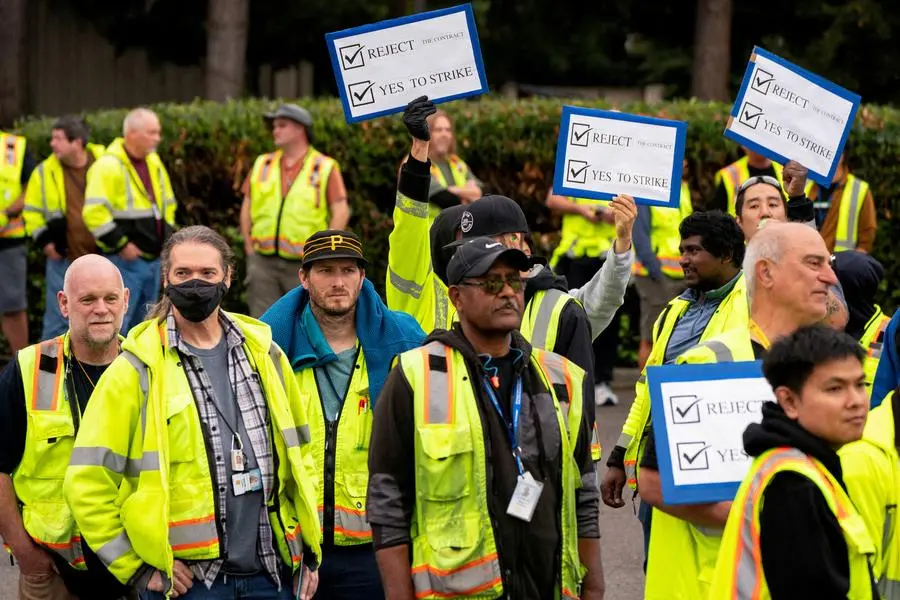
The ongoing strike at Boeing is intensifying as workers have overwhelmingly rejected a proposed wage deal, raising concerns about the impact on the aerospace giant and its supply chain. The strike, which began in early October, has seen thousands of employees from the International Association of Machinists and Aerospace Workers (IAM) walking picket lines across multiple facilities.
Background of the Strike
The strike was initiated in response to stalled contract negotiations between Boeing and the IAM, which represents approximately 30,000 workers. Issues at the heart of the dispute include wages, benefits, job security, and working conditions. Workers have expressed dissatisfaction with Boeing’s recent wage offers, which they argue do not adequately reflect the rising cost of living and the company’s substantial profits.
Details of the Rejected Wage Deal
The wage deal proposed by Boeing included a series of raises over the next four years, but many workers felt the increases fell short of their expectations. A significant point of contention was the overall compensation package, which workers believed did not align with the company’s profitability, particularly as Boeing has reported strong financial recovery from the impacts of the COVID-19 pandemic and the 737 MAX crisis.
In a recent vote, approximately 98% of workers rejected the contract offer, signaling a strong willingness to continue the strike until more favorable terms can be negotiated. The IAM stated that the overwhelming rejection indicates the workforce’s desire for a more equitable deal that addresses their needs and concerns.
Impact on Boeing and the Aerospace Industry
The strike has already begun to disrupt Boeing’s operations, with production delays affecting several key projects, including the 787 Dreamliner and the 737 MAX. Analysts warn that prolonged labor disputes could lead to significant financial repercussions for Boeing, potentially costing the company millions in lost revenue and affecting its ability to fulfill existing contracts.
The strike also has broader implications for the aerospace industry, as Boeing is a major player in the global supply chain. Suppliers and partners are already feeling the strain, with reports of delayed shipments and increased uncertainty regarding production schedules.
Worker Solidarity and Support
The strike has garnered support from various labor organizations and community groups, emphasizing the importance of fair labor practices and workers’ rights. Demonstrations have been organized to show solidarity with the striking workers, highlighting the fight for fair wages and improved working conditions across the industry.
Next Steps in Negotiations
With the strike showing no signs of abating, both Boeing and the IAM are under pressure to return to the negotiating table. Industry experts suggest that Boeing may need to reconsider its wage offer and benefits package to reach a resolution. As the situation develops, workers are determined to stand firm in their demands, hoping for a deal that adequately reflects their contributions to the company’s success.
Conclusion
As the Boeing strike continues to gain momentum, the rejection of the wage deal underscores the significant challenges facing workers in the aerospace industry. The outcome of this labor dispute could set a precedent for future negotiations, impacting not only Boeing but also the broader landscape of labor relations in the sector. With workers united in their quest for fair compensation and working conditions, the future of Boeing hangs in the balance as both sides seek a path toward resolution.