Technology: The New Human Condition.
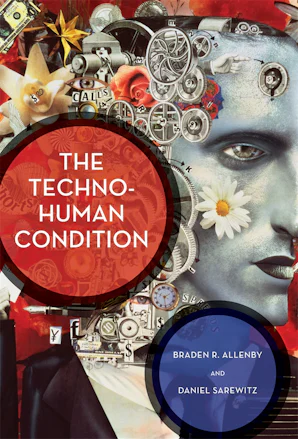
Technology:The New Human Condition
Introduction
Remember the last time you went an entire day without checking your phone?Felt a little…off, didn’t it?Maybe a twinge of anxiety, a sense of missing something crucial?If so, you’re not alone.We’ve crossed a threshold.Technology isn’t just a tool anymore; it’s interwoven into the very fabric of our lives, shaping how we think, feel, and interact with the world.Technology:It’s not just changing us, it *is* us.Welcome to the new human condition.
This isn’t some sci-fi dystopia being predicted.This is happening right now.From the moment our alarm clock, cleverly disguised as a smartphone, rouses us from sleep to the last scroll through social media before we drift off, technology dictates the rhythm of our days.But what are the real consequences of this constant digital embrace?And, more importantly, how can we navigate this new reality without losing ourselves in the process?
Let’s dive in.
The Short-Term Buzz: Convenience and Connection…With a Catch
The allure of technology is undeniable.We’re living in an age of unprecedented convenience.Need groceries?Delivered in an hour.Want to learn a new skill?Countless online courses await.Craving connection?Social media offers a platform to connect with friends, family, and even strangers across the globe.These are the immediate, tangible benefits that keep us coming back for more.
However, this instant gratification often comes with a hidden cost.Consider the following:
- The Attention Economy Trap:We’re bombarded with notifications, pop-ups, and carefully crafted algorithms designed to hijack our attention.This constant barrage can lead to a fragmented attention span, making it difficult to focus on deep work and hindering our ability to truly be present in the moment.Think about that unfinished project you’ve been putting off or the book you’ve been meaning to read.Are notifications the real culprit?
- The Illusion of Connection:While social media can connect us with a wider network, it often fosters superficial relationships.The curated highlight reels we see online can fuel feelings of inadequacy and social comparison, leading to increased anxiety and depression.How many “friends” do you have online, and how many would you call in a real crisis?
- The Always-On Culture:The blurring lines between work and personal life can lead to burnout and exhaustion.The expectation to be constantly available and responsive creates a relentless pressure that can negatively impact our mental and physical well-being.Do you find yourself checking emails on vacation?It’s time to disconnect.
The Long Game: Reshaping Our Brains and Society
The long-term implications of our technological dependence are even more profound.Constant exposure to screens and algorithms is literally rewiring our brains.
- Cognitive Restructuring:Studies suggest that heavy screen time can negatively impact cognitive functions like memory, attention, and critical thinking.Our reliance on technology for information retrieval may be diminishing our ability to retain knowledge and think independently.Are we becoming overly reliant on Google for answers, losing our ability to reason things out ourselves?
- Erosion of Empathy:Spending excessive time in the digital world can limit real-world social interactions, potentially hindering our ability to develop empathy and emotional intelligence.The anonymity of the internet can also embolden negative behaviors like cyberbullying and online harassment.
- Algorithmic Bias and Social Division:The algorithms that power our online experiences are not neutral.They are built with inherent biases that can reinforce existing inequalities and contribute to social polarization.The echo chambers created by these algorithms can limit our exposure to diverse perspectives and foster a sense of us vs. them.
- Data Privacy and Manipulation:The vast amount of personal data we generate through our online activities is constantly being collected and analyzed.This data can be used for targeted advertising, political manipulation, and even social engineering, raising serious concerns about privacy and autonomy.
These are daunting challenges, but the good news is that we have the power to navigate them.The key lies in finding a balance between leveraging the benefits of technology and mitigating its potential harms.
Reclaiming Control: Practical Solutions for a Tech-Saturated World
There’s no turning back the clock, nor should we want to.Technology has the potential to solve some of humanity’s greatest challenges.But we need to approach it with intention and awareness.Here are some practical solutions to help you reclaim control:
- Digital Minimalism:This involves consciously decluttering your digital life by identifying the technologies that truly add value and eliminating those that distract or detract from your well-being.
- Example:Cal Newport, author of “Digital Minimalism,” advocates for a 30-day digital detox, followed by a deliberate reintroduction of technology based on your core values.
- Mindful Technology Use:Be intentional about how and when you use technology.Set specific times for checking email and social media, and avoid using devices during meals, before bed, and during quality time with loved ones.
- Example:Use app timers to limit your daily usage of social media platforms.Turn off notifications for non-essential apps.
- Cultivate Real-World Connections:Prioritize face-to-face interactions and cultivate meaningful relationships with people in your community.Participate in activities that don’t involve technology, such as hiking, volunteering, or joining a book club.
- Seek Out Analog Experiences:Engage in activities that stimulate your senses and promote creativity, such as reading physical books, drawing, playing a musical instrument, or spending time in nature.These activities can help you disconnect from the digital world and reconnect with yourself.
- Be Critical of Information:Develop your critical thinking skills and learn to evaluate the credibility of online information.Be aware of algorithmic bias and seek out diverse perspectives to avoid getting trapped in echo chambers.Fact-check information before sharing it on social media.
- Advocate for Digital Rights:Support policies that protect data privacy and promote responsible technology development.Hold companies accountable for the ethical use of your personal data.
- Embrace the “Slow Tech” Movement:This emerging movement encourages a more mindful and intentional approach to technology, focusing on quality over quantity and promoting human connection over digital interaction.
Alternative Approaches: Finding What Works For You
These solutions are not one-size-fits-all.Experiment and find what resonates with you.Consider these alternative approaches:
- The “Monk Mode” Experiment:Dedicate a specific period (e.g., one day a week) to completely disconnect from technology and focus on self-reflection, personal growth, or creative pursuits.
- The “Dopamine Detox”:Severely limit your exposure to all forms of stimulation, including technology, junk food, and entertainment, for a short period to reset your dopamine levels and regain control over your impulses.
- The “Information Diet”:Consciously curate the information you consume online, unfollowing accounts that trigger negative emotions and subscribing to sources that offer diverse perspectives and promote critical thinking.
Conclusion
Technology is a powerful force, but it doesn’t have to define us.By understanding its impact and consciously choosing how we engage with it, we can shape a future where technology serves humanity, rather than the other way around.It’s time to reclaim our attention, cultivate meaningful connections, and rediscover the joys of the analog world.
The new human condition is not a technological prison; it’s an opportunity to evolve.It’s a call to cultivate our humanity in an increasingly digital world.It’s a chance to create a future where technology empowers us to live more fulfilling, meaningful lives.Let’s embrace that challenge, together.Take a small step today.Put down your phone, look around, and connect with the world around you.You might be surprised by what you discover.