Techlash: Are We Building Our Own Cage?
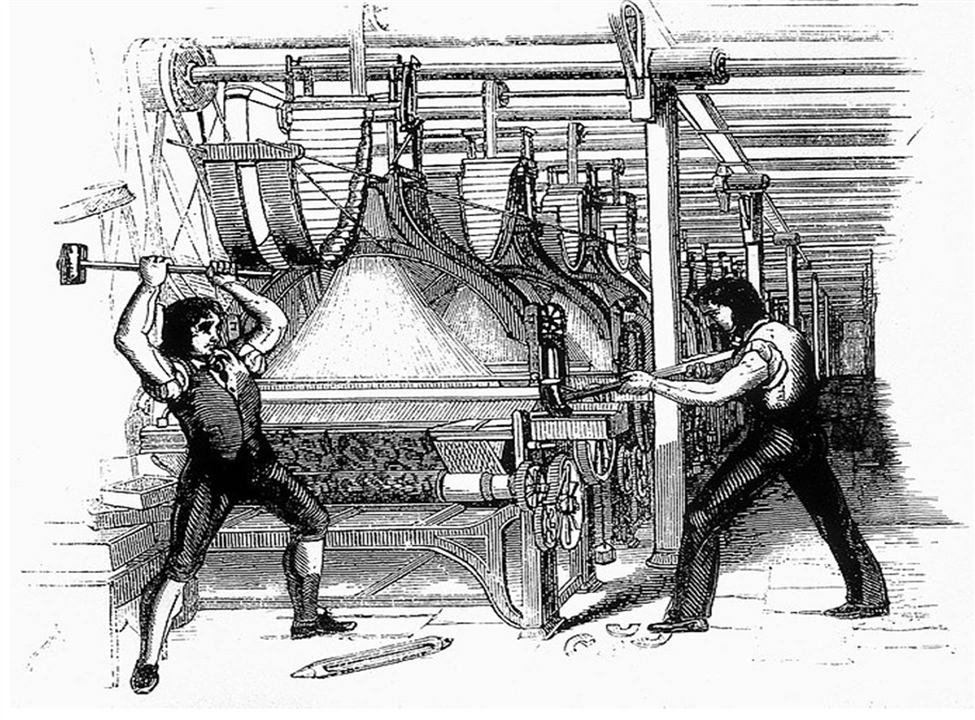
Techlash: Are We Building Our Own Cage?
Introduction
Remember that feeling of pure, unadulterated excitement when smartphones first landed? Suddenly, the world was at our fingertips. Information flowed freely, connections were instant, and possibilities felt limitless. Fast forward a couple of decades, and that initial euphoria is increasingly mixed with a sense of unease. We’re living in the age of the “techlash,” and the burning question is: are we, in our rush to embrace technological advancements, inadvertently constructing our own gilded cage?
The promise of a connected world has undeniably brought incredible benefits. We can video call loved ones across continents, access a vast library of knowledge with a few taps, and even have groceries delivered to our doorstep. But beneath this shiny veneer lies a growing list of concerns – data privacy breaches, the spread of misinformation, social media addiction, and the erosion of face-to-face interaction.
The Short-Term Stings
The immediate impact of the techlash is already palpable. Think about doomscrolling, that mindless habit of endlessly scrolling through negative news feeds, leaving you feeling anxious and drained. Or consider the pervasive influence of algorithms that curate our online experiences, creating echo chambers where we are only exposed to information that confirms our existing beliefs. This can lead to increased polarization, making meaningful dialogue and understanding across different viewpoints increasingly difficult.
We’re also seeing a rise in mental health issues linked to social media use, particularly among young people. The constant pressure to present a perfect online persona, coupled with the fear of missing out (FOMO), can lead to feelings of inadequacy, anxiety, and depression. Furthermore, the addictive nature of many digital platforms is designed to keep us hooked, sacrificing our attention spans and productivity in the process.
The Long-Term Shadows
Looking further down the road, the potential consequences of unchecked technological advancement are even more concerning. The erosion of privacy is a major threat. With our every click, search, and online interaction being tracked and analyzed, companies and governments have unprecedented access to our personal information. This data can be used for targeted advertising, political manipulation, or even surveillance, undermining our autonomy and freedom of choice.
Job displacement due to automation is another looming issue. As artificial intelligence and robotics become more sophisticated, they are poised to replace human workers in a wide range of industries, potentially leading to widespread unemployment and economic instability. This necessitates a radical rethink of our education systems and social safety nets to prepare for the future of work.
Perhaps the most existential threat lies in the potential for technology to exacerbate existing inequalities. Those with access to technology and digital literacy skills will thrive in the new economy, while those without will be left behind, widening the gap between the haves and have-nots. This could lead to social unrest and instability, undermining the very foundations of our societies.
Building a Better Future: Practical Solutions
The good news is that we’re not powerless in the face of the techlash. We can take concrete steps to reclaim control over our digital lives and shape a future where technology serves humanity, not the other way around. Here are a few practical solutions:
- Mindful Tech Use: This is about being intentional with our technology consumption. Set boundaries for screen time, especially before bed. Unsubscribe from unnecessary email lists and social media accounts. Practice digital detoxes to disconnect from technology and reconnect with the real world. The Forest app, for example, helps you stay focused by “planting a tree” that withers if you leave the app. This gamified approach encourages focused work and mindful tech habits.
- Privacy-Conscious Choices: Take control of your data. Review and adjust your privacy settings on social media platforms and other online services. Use a VPN to encrypt your internet traffic and protect your location. Support companies that prioritize data privacy and transparency. Consider using privacy-focused browsers like Brave or DuckDuckGo.
- Critical Thinking and Media Literacy: Develop your critical thinking skills to evaluate the information you encounter online. Be wary of clickbait headlines and sensationalized content. Fact-check news articles and social media posts before sharing them. Seek out diverse perspectives and sources of information to avoid being trapped in echo chambers. Organizations like the News Literacy Project offer resources and training to help individuals develop these crucial skills.
- Advocate for Regulation: Support policies that promote responsible technology development and use. Advocate for stronger data privacy laws, regulations to combat misinformation, and measures to address the ethical implications of artificial intelligence. The European Union’s General Data Protection Regulation (GDPR) serves as a model for comprehensive data privacy legislation that protects citizens’ rights.
- Support Ethical Tech Companies: Choose to support businesses that prioritize ethical considerations in their development and deployment of technology. Look for companies that are transparent about their data practices, committed to social responsibility, and actively working to mitigate the negative impacts of technology. B Corp certification is a good indicator of a company’s commitment to ethical and sustainable business practices.
- Embrace Digital Minimalism: Simplify your digital life by decluttering your apps, unsubscribing from unnecessary services, and focusing on using technology in a more intentional and meaningful way. This can free up time and mental energy for other activities that are more fulfilling and rewarding. Cal Newport’s book “Digital Minimalism” provides a practical guide to reclaiming your attention and living a more focused life in a noisy world.
- Foster Real-World Connections: Make a conscious effort to cultivate meaningful relationships offline. Spend time with friends and family, engage in hobbies and activities that you enjoy, and volunteer in your community. Reconnecting with the physical world can help to counterbalance the isolating effects of excessive technology use.
A Call to Action: Reclaiming Our Future
The techlash is a wake-up call. It’s an invitation to critically examine our relationship with technology and to actively shape a future where technology empowers us rather than enslaving us. It requires individual responsibility – making conscious choices about how we use technology – and collective action – advocating for policies and supporting companies that prioritize ethical considerations.
The future isn’t predetermined. We have the power to steer the ship. By embracing mindful tech use, prioritizing privacy, cultivating critical thinking skills, and advocating for responsible regulation, we can break free from the potential cage and build a future where technology truly serves humanity. Let’s choose to be architects of our digital destiny, not prisoners of it. The power to create a better, more balanced future is in our hands. Let’s use it wisely.