Tech Tsunami: What You Need to Know Now.
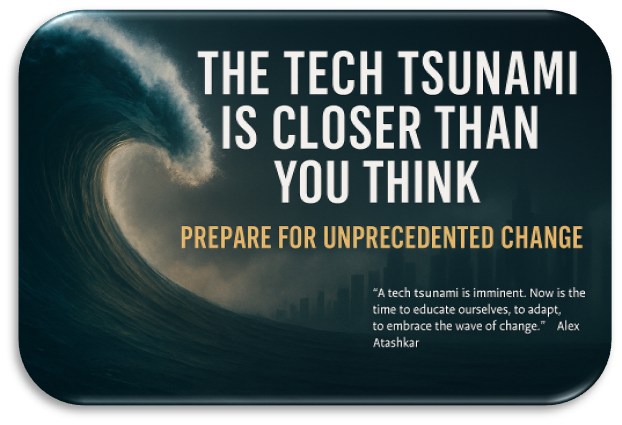
Tech Tsunami: What You Need to Know Now
Introduction
Ever feel like you’re drowning in a never-ending wave of new technology? AI this, blockchain that, metaverse the other… it’s enough to make your head spin. You’re not alone. This isn’t just a gradual trickle; it’s a full-blown Tech Tsunami. And while it might seem overwhelming, understanding its impact and knowing how to navigate it is crucial, both for your career and your sanity.
So, grab your surfboard (metaphorically, of course), because we’re about to dive into what this Tech Tsunami really means, the short-term and long-term impacts it’s having, and, most importantly, what you can do to not only survive but thrive in this new digital landscape.
The Wave is Here: Understanding the Immediate Impact
The immediate impact of this technological surge is already being felt across industries. Jobs are evolving, skills are becoming obsolete faster than ever, and the pressure to constantly upskill is palpable.
- Job Market Disruption: Think about customer service. AI-powered chatbots are handling increasingly complex queries, leading to a shift in the types of skills needed in the industry. Instead of simply answering common questions, customer service reps now need to focus on complex problem-solving and empathy – skills that AI can’t easily replicate. Similarly, in the marketing world, AI is automating tasks like ad targeting and content creation, requiring marketers to focus on strategic thinking and creative campaign development.
- The Skills Gap Widens: The demand for tech skills is skyrocketing, creating a massive skills gap. Businesses are struggling to find professionals proficient in areas like AI, data science, cybersecurity, and cloud computing. This shortage is not only hindering innovation but also driving up the cost of talent, making it difficult for smaller companies to compete.
- Information Overload: With so many new technologies emerging, it’s hard to know where to focus your attention. There’s a constant barrage of news, articles, and tutorials, making it difficult to separate the signal from the noise. Many people feel overwhelmed and don’t know where to begin.
Riding Out the Long Game: The Future Impact and Its Ripple Effects
The long-term impact of the Tech Tsunami is even more profound, reshaping our economy, society, and even our personal lives.
- Automation and the Future of Work: While technology creates new jobs, it also automates existing ones. This raises concerns about widespread job displacement and the need for retraining and reskilling initiatives. The nature of work itself will change, with more emphasis on creativity, critical thinking, and emotional intelligence. Imagine a future where routine tasks are handled by AI, freeing up humans to focus on more strategic and meaningful work.
- The Rise of the Creator Economy: Technology is empowering individuals to become creators and entrepreneurs. Platforms like YouTube, TikTok, and Patreon are providing avenues for people to monetize their passions and build their own businesses. This shift towards a more decentralized and democratized economy has the potential to create new opportunities and wealth.
- Ethical and Societal Implications: The rapid advancement of technology raises important ethical and societal questions. Issues like data privacy, algorithmic bias, and the spread of misinformation need to be addressed to ensure that technology is used responsibly and for the benefit of all.
Navigating the Waves: Practical Solutions for Staying Afloat (and Even Surfing!)
So, what can you do to navigate this Tech Tsunami and not get swept away? Here are a few practical solutions, tailored for different situations:
- Embrace Lifelong Learning: The most crucial skill in this environment is the ability to learn continuously. Dedicate time each week to explore new technologies, take online courses, attend webinars, and read industry publications.
- Example: Platforms like Coursera, edX, and Udemy offer a wide range of courses in various tech-related fields. Start with a foundational course in AI or data science to get a basic understanding of these technologies.
- Identify Transferable Skills: Instead of focusing solely on acquiring new technical skills, consider how your existing skills can be applied in new contexts. For example, if you’re a strong communicator, you can leverage those skills in roles that involve explaining complex technical concepts to non-technical audiences.
- Case Study: A former marketing manager with strong analytical skills successfully transitioned into a data analytics role by leveraging their ability to interpret data and communicate insights to stakeholders.
- Network and Connect: Networking with other professionals in your field can provide valuable insights into emerging trends and job opportunities. Attend industry events, join online communities, and connect with people on LinkedIn.
- Actionable Tip: Attend local tech meetups or join online forums related to your interests. Engage in conversations, ask questions, and share your own experiences.
- Experiment and Explore: Don’t be afraid to experiment with new technologies. Build a simple website, create a mobile app, or try out a new software tool. The best way to learn is by doing.
- Practical Example: If you’re interested in AI, try building a simple chatbot using a platform like Dialogflow. This will give you a hands-on understanding of how AI works and its potential applications.
- Focus on Value Creation: Instead of trying to learn every new technology, focus on how you can use technology to create value for your organization or your clients. Think about how you can improve efficiency, solve problems, or create new opportunities.
- Scenario: Instead of just learning Python coding, focus on automating report generation for your company, which can save a considerable amount of time.
- Consider Reskilling or Upskilling Programs: Many companies and organizations are offering reskilling and upskilling programs to help employees adapt to the changing job market. Take advantage of these opportunities to acquire new skills and credentials.
- Examples: Many universities and community colleges now offer short, intensive bootcamps in areas like cybersecurity and data science.
Alternative Approaches:
- The “Tech Generalist” Approach: Instead of specializing in one specific area, become a tech generalist. Develop a broad understanding of various technologies and how they can be applied in different contexts. This approach can be particularly useful for roles that require strategic thinking and problem-solving.
- The “Human-Centered Tech” Approach: Focus on the human side of technology. Develop skills in areas like user experience design, human-computer interaction, and ethical AI. These skills will be increasingly valuable as technology becomes more integrated into our lives.
- The “Niche Specialist” Approach: Identify a specific niche within the tech industry and become an expert in that area. This approach can be particularly rewarding for those who are passionate about a particular technology or application.
Ride the Wave with Confidence
The Tech Tsunami is here, and it’s not going away anytime soon. But by embracing lifelong learning, identifying your transferable skills, and focusing on value creation, you can not only survive but thrive in this new digital landscape. Don’t be afraid to experiment, network with others, and explore new opportunities. The future of work is changing, and with the right mindset and skillset, you can be a part of shaping it.
The key takeaway is that adapting is not an option, but a necessity. Approach each day with a growth mindset, and view new technology not as a threat, but as a chance to evolve and improve. So, take a deep breath, grab your surfboard, and get ready to ride the wave! The future is bright, and with the right preparation, you’ll be well-equipped to navigate whatever comes your way.