Neolithic Engineers Built Megalithic Monument with Stones That Weighed as Much as Two Jumbo Jets
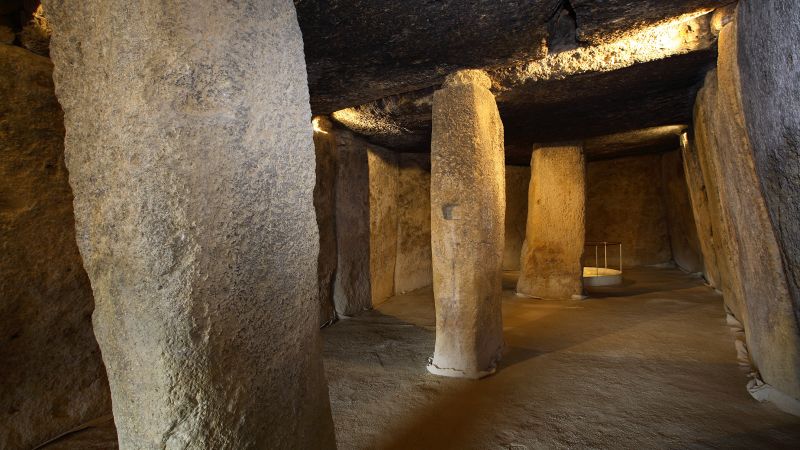
Neolithic Engineers Built Megalithic Monument with Stones That Weighed as Much as Two Jumbo Jets
In the depths of prehistory, long before the invention of metal tools or the wheel, Neolithic engineers were constructing monumental structures that continue to baffle scientists and archaeologists today. Among these astonishing feats of engineering are megalithic monuments, such as Stonehenge and Carnac, which were built using stones that weighed up to hundreds of tons—some as heavy as two jumbo jets. The logistics of moving and arranging these massive stones have left modern researchers pondering how early humans achieved such extraordinary tasks with their limited technology.
Megalithic Monuments: The Marvels of the Neolithic Era
Megalithic monuments are large, prehistoric stone structures that were erected during the Neolithic period, roughly between 10,000 and 4,500 years ago. These monumental works appear in various forms across Europe, Africa, and Asia, often serving as ceremonial, religious, or burial sites. Some of the most famous examples include the stone circles of Britain and Ireland, the standing stones of France’s Brittany region, and the dolmens of the Iberian Peninsula.
The Neolithic period marked a turning point in human civilization. As societies transitioned from nomadic hunter-gatherer lifestyles to settled farming communities, they developed new forms of social organization and cultural expression. The construction of megalithic monuments represents one of the most remarkable achievements of this era, reflecting a combination of technical ingenuity, cooperation, and perhaps spiritual or religious motivations.
Stone Giants: The Size and Scale of Megalithic Stones
One of the most awe-inspiring aspects of megalithic monuments is the sheer size and weight of the stones used in their construction. Some of the stones weighed as much as 200 tons (400,000 pounds), equivalent to the weight of two fully loaded Boeing 747 jumbo jets. Moving stones of this size—sometimes across considerable distances—would have been a daunting challenge for early engineers, especially given the absence of modern machinery.
For instance, at the site of Baalbek in modern-day Lebanon, some of the largest known megalithic stones were used in the foundation of the ancient Roman temple of Jupiter. The “Stone of the Pregnant Woman,” a single stone block at Baalbek, weighs an estimated 1,200 tons, though it is thought to have been quarried and moved earlier during the Neolithic period. Similar examples of massive stone transport and construction can be found in prehistoric sites around the world, including Stonehenge in England, where some of the sarsen stones weigh up to 40 tons.
Neolithic Technology: How Did They Do It?
The question of how Neolithic engineers transported and erected such enormous stones without modern technology remains one of archaeology’s greatest mysteries. Various theories have been proposed, with many focusing on the use of simple tools, human labor, and ingenious engineering techniques.
- Rope and Timber: It is widely believed that ropes made from natural fibers and timber sleds or rollers were used to move the stones across the landscape. Timber ramps or tracks could have been built to aid in transporting the stones, and logs may have been used to roll the stones over long distances. In some cases, particularly heavy stones could have been dragged using teams of workers, leveraging the strength of large groups to move the monoliths inch by inch.
- Water Transport: In some cases, water transport may have played a role in moving the stones. Stones could have been floated on rafts along rivers or across bodies of water. For example, some of the stones used in Stonehenge are believed to have been quarried from sites in Wales, more than 150 miles away, and then transported via rivers and the sea to their final location.
- Earth Ramps and Levers: Once the stones reached their intended location, Neolithic builders likely used a system of earth ramps, levers, and wooden scaffolding to raise the stones into position. Earth mounds could have been constructed to act as ramps, and stones could have been gradually lifted into place using simple lever mechanisms. Wooden scaffolding could have provided additional support as the stones were raised.
- Teamwork and Coordination: Perhaps one of the most impressive aspects of megalithic construction is the level of coordination required. Moving such massive stones would have demanded the cooperation of hundreds, if not thousands, of people working in concert. This implies a highly organized society with complex social structures, capable of mobilizing large groups of workers for extended periods. Such organization speaks to the importance of these monuments within their respective cultures—whether for religious, ceremonial, or social purposes.
Purpose and Symbolism of Megalithic Monuments
The motivations behind the construction of megalithic monuments remain the subject of debate and speculation among archaeologists and historians. However, several prevailing theories suggest that these structures held significant symbolic, religious, and astronomical meaning for the societies that built them.
- Astronomical Alignments: Many megalithic sites exhibit precise alignments with celestial events, such as the solstices and equinoxes. Stonehenge, for example, is famously aligned with the summer solstice sunrise, suggesting that its builders had a sophisticated understanding of astronomy. These alignments indicate that the monuments may have served as observatories or markers for important seasonal events, which were vital for agricultural societies.
- Religious and Ceremonial Functions: Many megalithic monuments are thought to have served religious or ceremonial functions. Some, like the dolmens of Ireland and Spain, are believed to have been burial sites or tombs, where important individuals were laid to rest. The sheer size and scale of these monuments may have reflected the religious or political power of the ruling class, symbolizing their ability to command resources and labor.
- Community and Identity: Beyond their religious or ceremonial roles, megalithic monuments likely played a crucial role in fostering community identity and cohesion. The construction of these monuments would have been a communal effort, requiring cooperation and coordination on a massive scale. In this sense, the monuments may have served as symbols of collective identity and achievement, reinforcing the social bonds that held these early societies together.
Legacy of the Neolithic Engineers
The legacy of Neolithic engineers continues to captivate modern scientists and the public alike. Despite the challenges of working with primitive tools and technology, these early humans managed to create structures that have stood the test of time, offering a glimpse into the ingenuity and determination of prehistoric cultures.
Today, researchers continue to study megalithic sites in an effort to unlock the secrets of their construction and purpose. Advances in technology, such as ground-penetrating radar and 3D modeling, are providing new insights into how these monuments were built and the societies that created them. Ongoing research is shedding light on the methods used by Neolithic engineers and offering new clues about their lives and beliefs.
Conclusion
The construction of megalithic monuments during the Neolithic period stands as one of humanity’s greatest engineering achievements. The fact that prehistoric peoples could move and erect stones weighing as much as two jumbo jets, using only simple tools and their collective ingenuity, is a testament to the resourcefulness and determination of early humans. These monuments not only reflect the technological abilities of their builders but also offer a window into the cultural, religious, and social dynamics of Neolithic societies.
As research into these ancient structures continues, we are likely to learn even more about the methods used by Neolithic engineers and the motivations behind their monumental efforts. For now, the megaliths remain enduring symbols of human achievement, standing as silent witnesses to a distant past where early humans reached for the heavens with stones as massive as modern airplanes.