New Titanic Photos Reveal Major Decay to Legendary Wreck
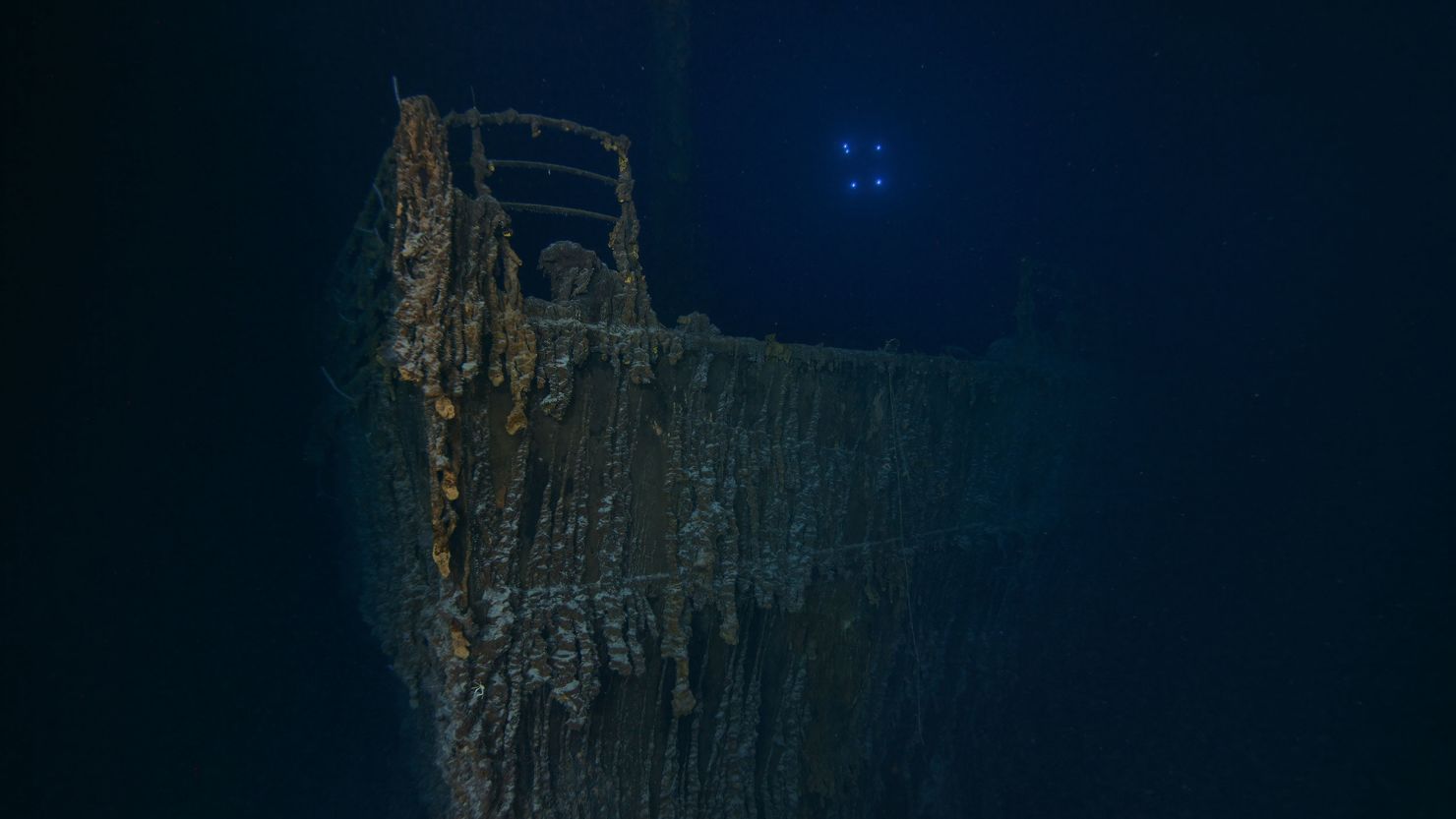
New Titanic Photos Reveal Major Decay to Legendary Wreck
The RMS Titanic—once the pinnacle of human engineering and a symbol of luxury—continues to deteriorate at the bottom of the Atlantic Ocean, as new images captured during a recent expedition reveal the extent of its decay. The latest photos showcase the rapid deterioration of the iconic shipwreck, painting a sobering picture of how time and oceanic forces are eroding this piece of history.
The State of the Titanic Wreck Today
More than a century after it sank during its maiden voyage in 1912, claiming over 1,500 lives, the Titanic now lies about 12,500 feet beneath the surface, split into two large sections. While the ship was first discovered in 1985 by oceanographer Robert Ballard, new high-resolution photos from an expedition in 2023 show just how far the wreck has degraded.
The hull, once an imposing sight, is rapidly collapsing under the immense pressure of the deep ocean. Many key features, such as the captain’s quarters, sections of the deck, and the grand staircase, have significantly deteriorated or vanished entirely due to metal-eating bacteria, strong ocean currents, and natural degradation.
New Photos Offer Unprecedented Detail
These new images, captured using advanced submersible technology, provide unprecedented detail of the ship’s condition. The team used 4K and 8K cameras to survey the wreck, creating stunningly clear images that reveal areas of the ship not seen before. These photos show previously hidden details, such as intricate parts of the bow and lifeboat davits that were obscured in past expeditions.
Unfortunately, the latest images also reveal that the Titanic’s iconic bow is now severely corroded, with entire sections collapsing inward. The starboard side, where the captain’s bathtub was once visible in previous expeditions, is now nearly unrecognizable. This accelerated degradation means that certain parts of the ship may completely disappear in the near future, forever lost to the ocean.
The Forces Behind the Decay
There are several factors contributing to the rapid decay of the Titanic wreck:
- Metal-Eating Bacteria: One of the primary forces causing the ship’s deterioration is a group of metal-eating bacteria, Halomonas titanicae, discovered in 2010. These microorganisms consume the iron in the ship’s hull, turning it into rusticles—stalactite-like formations of rust that slowly crumble away.
- Ocean Currents: The Titanic rests in a region of the North Atlantic with strong underwater currents. These currents constantly batter the ship, contributing to its slow collapse by stripping away layers of metal and weakening the structural integrity of the wreck.
- Water Pressure and Temperature: The immense pressure at 12,500 feet below sea level—over 5,500 pounds per square inch—is continuously pressing down on the wreck. Combined with freezing water temperatures, these conditions make it impossible for any human-made structure to survive intact indefinitely.
What Does the Future Hold for the Titanic?
Many experts believe that the Titanic will continue to deteriorate at a rapid pace, and within a few decades, the ship may be reduced to little more than a pile of rust on the ocean floor. Some estimates suggest that in as little as 20 years, there may be little left to recognize of the once-mighty vessel.
Despite this, the wreck continues to attract attention from explorers, scientists, and the general public. New technology is allowing researchers to map and document the ship in ways that were not possible in previous decades. These high-resolution images will help historians and scientists preserve the legacy of the Titanic in digital form, even as the physical wreck fades away.
The Ongoing Debate: Should We Preserve the Wreck?
As the Titanic deteriorates, a debate continues over how to treat the site. Some believe the wreck should be left untouched, serving as a memorial for those who lost their lives. Others argue that salvaging artifacts and preserving pieces of the ship is crucial to keeping the story of the Titanic alive for future generations.
International agreements, such as the 2001 UNESCO Convention on the Protection of Underwater Cultural Heritage, aim to safeguard the wreck from unauthorized exploration and artifact removal. However, with private companies offering tours of the site and new technologies enabling further exploration, the future of the Titanic remains a contentious topic.
Conclusion
The latest images of the Titanic wreck are both fascinating and poignant, offering a clear look at how nature is reclaiming one of history’s most famous ships. While the wreck itself may be slowly fading into the deep ocean, its legacy lives on, inspiring awe, curiosity, and respect for the lives lost on that fateful night in 1912. As technology continues to evolve, we may soon have a complete digital record of the ship—an enduring tribute to its story, even as the physical structure is consumed by time.