AI Helps Uncover Hundreds of Unknown Ancient Symbols Hidden in Peru’s Nazca Desert
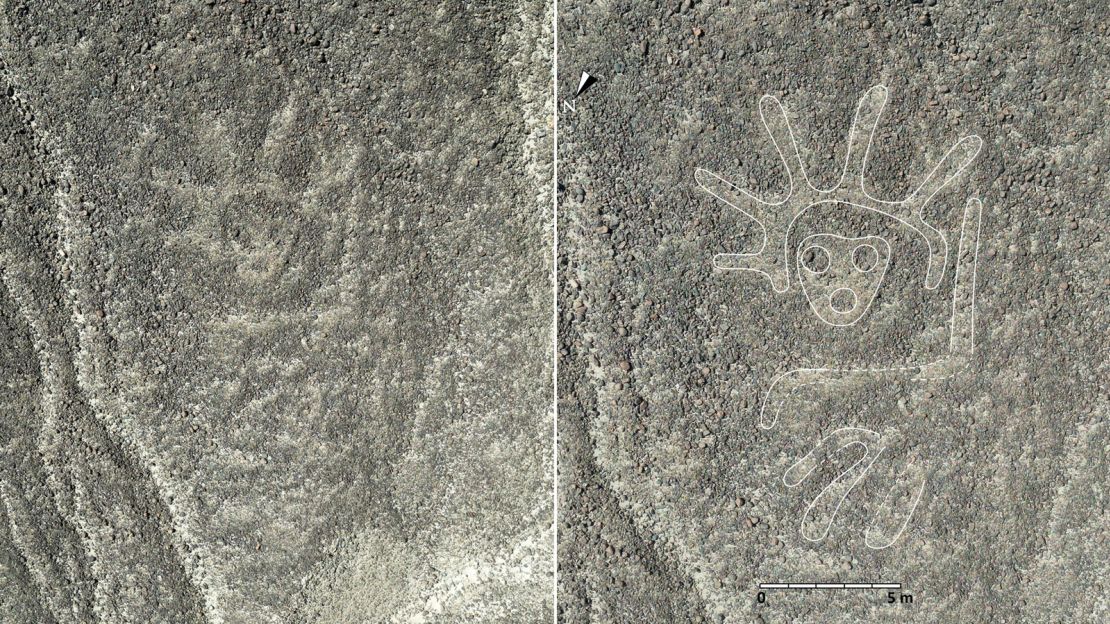
In a groundbreaking development that bridges technology and archaeology, researchers have harnessed the power of artificial intelligence (AI) to uncover hundreds of previously unknown ancient symbols in Peru’s iconic Nazca Desert. This stunning discovery promises to reshape our understanding of the region’s ancient cultures and the enigmatic geoglyphs that have fascinated historians and travelers alike.
The Nazca Lines: A Brief Overview
The Nazca Lines, a UNESCO World Heritage site, are a collection of massive geoglyphs etched into the desert floor, dating back to between 500 BCE and 500 CE. These intricate designs, which include shapes of animals, plants, and geometric patterns, have long puzzled researchers about their purpose and significance. Theories range from astronomical calendars to religious rituals, but many questions remain unanswered.
Despite decades of study, much of the Nazca Desert’s secrets have remained hidden beneath layers of sand and rock. Traditional methods of exploration, including aerial photography and ground surveys, have yielded valuable insights, but the vastness of the area has made comprehensive analysis challenging.
The Role of AI in Discovery
In an innovative approach, a team of researchers employed AI algorithms to analyze satellite imagery of the Nazca Desert. By training the AI to recognize patterns and shapes that resemble known geoglyphs, the researchers were able to detect subtle features that had previously gone unnoticed.
The AI model sifted through thousands of images, identifying shapes and symbols that resembled ancient geoglyphs but had not been documented in existing archaeological records. The use of AI not only accelerated the discovery process but also enhanced the accuracy of identifying potential new geoglyphs.
Exciting Discoveries
The results of the AI analysis were astounding. Researchers reported the identification of over 400 previously unknown symbols, including intricate designs resembling animals, plants, and geometric patterns. Many of these new symbols exhibit a remarkable level of detail and craftsmanship, suggesting that the ancient Nazca civilization possessed advanced artistic skills.
Among the most notable discoveries is a large, intricately designed figure resembling a bird, along with multiple geometric shapes that appear to form complex patterns across the desert landscape. The sheer number and variety of symbols found have ignited excitement within the archaeological community and beyond.
Implications for Archaeology
The application of AI in archaeology signifies a transformative shift in how researchers can explore ancient sites. By combining cutting-edge technology with traditional methods, archaeologists can uncover hidden histories that may have remained buried for centuries. This breakthrough not only enhances our understanding of the Nazca culture but also sets a precedent for future explorations in other regions with similar archaeological challenges.
The newfound symbols also raise important questions about the Nazca civilization’s social structure, religious beliefs, and artistic practices. Further study of these geoglyphs could provide valuable insights into the cultural and historical context of the Nazca people.
Conservation Challenges
While the discovery of these symbols is exciting, it also presents challenges in terms of conservation. The Nazca Desert is vulnerable to environmental degradation and human activity, which can threaten the integrity of these ancient geoglyphs. Researchers are advocating for increased protection measures to safeguard this invaluable cultural heritage.
Moreover, as interest in the Nazca Lines grows, the potential for tourism must be balanced with preservation efforts. Engaging local communities in conservation initiatives and raising awareness about the importance of protecting these ancient symbols will be crucial for their long-term survival.
Conclusion
The use of AI to uncover hundreds of unknown ancient symbols in Peru’s Nazca Desert marks a significant milestone in the field of archaeology. As researchers continue to analyze these findings, they hope to unravel the mysteries of the Nazca civilization and contribute to our understanding of human history. This innovative approach not only highlights the potential of technology in archaeological research but also underscores the importance of preserving our cultural heritage for future generations. The newly discovered symbols are a testament to the enduring legacy of the Nazca people and a reminder of the rich tapestry of human history waiting to be uncovered beneath the sands of time.