Brazil Seals $30 Billion Compensation Deal with BHP and Vale Over 2015 Dam Collapse
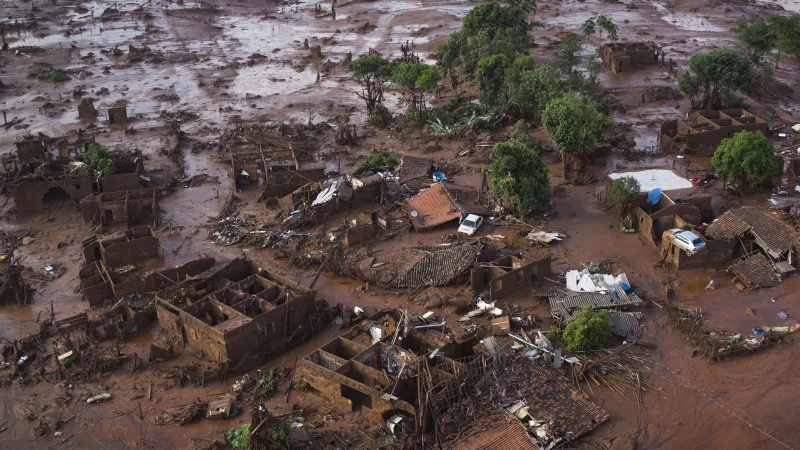
In a landmark agreement, the Brazilian government has finalized a compensation deal worth $30 billion with mining giants BHP and Vale in relation to the catastrophic collapse of the Fundão dam in Mariana, Minas Gerais, in November 2015. The disaster, which resulted in the deaths of 19 people and extensive environmental damage, marked one of the worst industrial accidents in Brazil’s history. This article delves into the details of the compensation deal, the implications for the affected communities, and the broader context of mining operations in Brazil.
The 2015 Dam Collapse: A Brief Overview
The Fundão dam, owned by a joint venture between BHP and Vale, collapsed on November 5, 2015, releasing a torrent of toxic waste into the Doce River and devastating the surrounding environment. The mudslide swept away homes, contaminated water sources, and caused severe ecological damage, affecting countless residents and local wildlife.
The disaster not only claimed lives but also displaced hundreds of families and destroyed infrastructure, prompting widespread outrage and calls for accountability from affected communities and environmental groups. Following the incident, the Brazilian government and regulatory agencies faced criticism for their oversight of mining operations and dam safety regulations.
Details of the Compensation Deal
The recently sealed compensation agreement aims to address the extensive damages caused by the dam collapse. Key components of the deal include:
- Financial Compensation: BHP and Vale will pay a total of $30 billion to cover the costs of recovery, environmental remediation, and support for affected communities. This figure is one of the largest compensation packages in Brazil’s history and reflects the scale of the disaster.
- Environmental Restoration: A significant portion of the funds will be allocated for environmental restoration projects to rehabilitate affected ecosystems, particularly the Doce River, which suffered catastrophic contamination.
- Community Support: The deal includes provisions for social programs aimed at assisting displaced families and supporting local economic development in the aftermath of the disaster.
- Long-Term Monitoring: The agreement establishes mechanisms for ongoing monitoring of the environmental recovery process and the impact on local communities, ensuring that commitments are met over time.
Implications for Affected Communities
For the communities impacted by the Fundão dam collapse, this compensation deal represents a critical step toward justice and recovery. The financial resources allocated for community support and environmental restoration are expected to aid in rebuilding lives and restoring the region’s ecological balance.
However, the successful implementation of these measures will depend on effective coordination between the government, the companies involved, and local stakeholders. Many residents have expressed skepticism about whether the funds will reach those most affected and whether the restoration efforts will be sufficient to reverse the damage done.
The Broader Context of Mining in Brazil
The 2015 dam collapse has brought renewed scrutiny to the mining industry in Brazil, highlighting the need for stronger regulatory frameworks and better enforcement of safety standards. The incident raised questions about the balance between economic development and environmental protection, particularly in a country rich in natural resources.
In response to the disaster, Brazil has taken steps to reform its mining regulations and improve oversight of dam safety. However, critics argue that more needs to be done to ensure the safety of mining operations and to protect local communities from the risks associated with industrial activities.
Reactions to the Compensation Deal
The compensation agreement has elicited a range of reactions from various stakeholders. Environmental advocates have praised the deal as a necessary acknowledgment of the damage caused by the mining companies. They emphasize the importance of holding corporations accountable for their actions and ensuring that affected communities receive the support they need to rebuild.
Conversely, some critics argue that while the financial compensation is a positive development, it cannot fully address the long-term environmental and social impacts of the disaster. They call for ongoing vigilance and advocacy to ensure that such tragedies do not occur in the future.
Conclusion
Brazil’s $30 billion compensation deal with BHP and Vale marks a significant step in addressing the consequences of the 2015 Fundão dam collapse. While the financial resources allocated for recovery and restoration are a positive development for affected communities, the long-term success of this agreement will depend on effective implementation and oversight.
As Brazil continues to navigate the complexities of balancing economic growth with environmental stewardship, this incident serves as a poignant reminder of the potential risks associated with mining operations and the need for robust regulatory frameworks. The lessons learned from the Mariana disaster may ultimately shape the future of mining in Brazil, ensuring that the protection of communities and the environment remains a priority.