China Kicks Off $1.4 Trillion in Fiscal Support with Local Government Debt Swaps
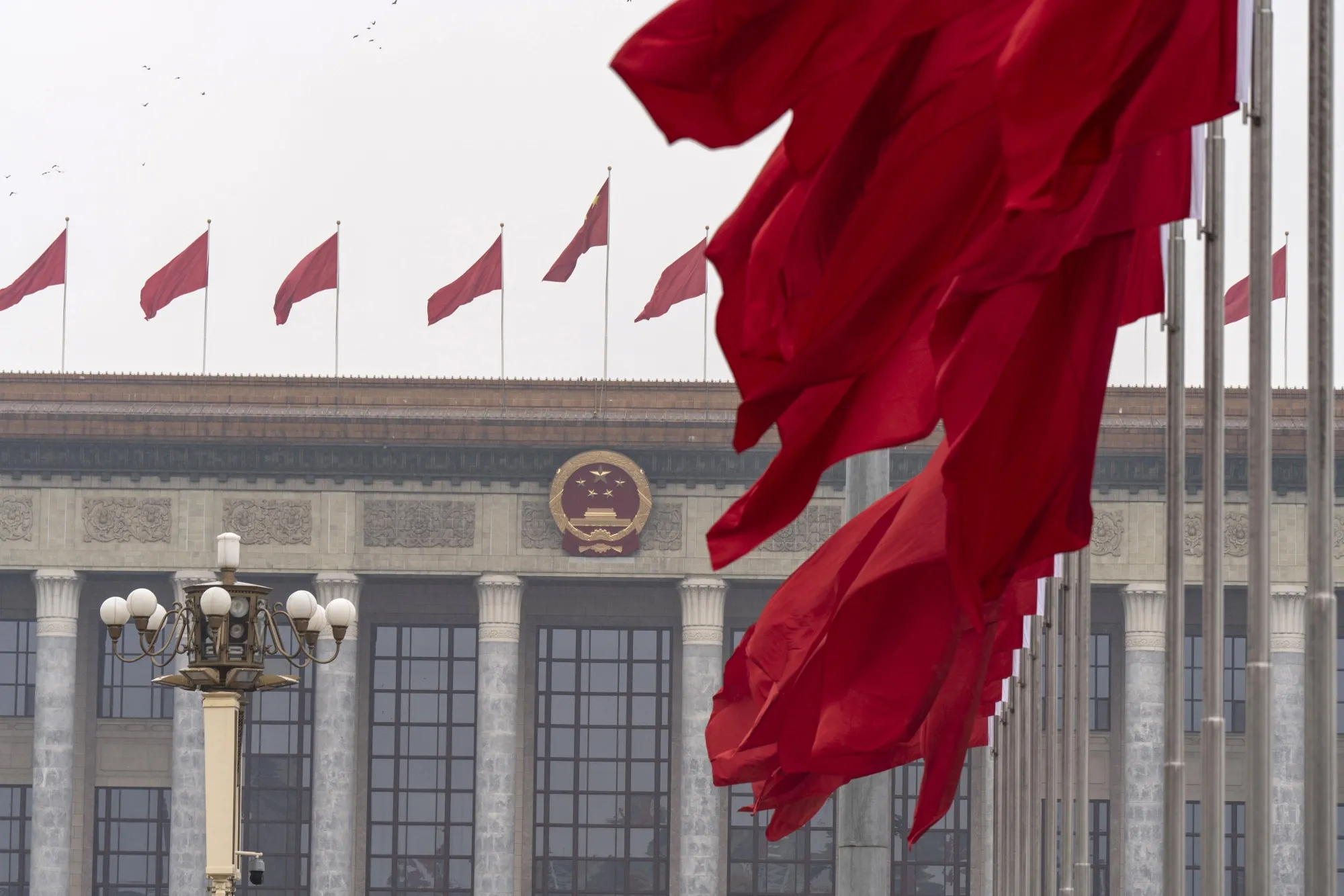
Beijing, China – In a bold move to stimulate its slowing economy, China has launched a massive fiscal support initiative, aiming to inject up to $1.4 trillion into its financial system. The centerpiece of this economic stimulus package is a series of local government debt swaps designed to help municipalities reduce their debt burden and free up resources for public spending, infrastructure development, and social programs.
The debt swaps are part of a broader plan to bolster economic growth amid a challenging economic landscape marked by slowing consumer demand, weaker global trade, and a sluggish property market. With local governments struggling under the weight of high debt levels accumulated through years of infrastructure investment and urbanization projects, Beijing is seeking ways to provide fiscal relief while supporting sustainable growth.
The Debt Swap Strategy: What Does It Involve?
Under the new plan, local governments will be allowed to swap high-interest debt with longer-term, lower-interest bonds issued by the central government. This restructuring is designed to alleviate the immediate financial pressures facing municipalities, allowing them to redirect funds to key sectors such as infrastructure, healthcare, and education.
In essence, local governments will replace their existing debt, which often carries higher interest rates, with newly issued bonds that offer more favorable terms. The debt swap program will initially focus on local government bonds, but could expand to include other forms of municipal debt.
Key elements of the local government debt swap program include:
- Debt Restructuring: The central government will facilitate the restructuring of local government debt by converting existing obligations into longer-term bonds with lower interest rates. This will significantly reduce the financial burden on local governments, allowing them to spend more on vital services and infrastructure.
- Increased Fiscal Flexibility: By easing debt payments, the program will give local governments more room to maneuver financially, enabling them to increase investment in local development projects and public services. This is particularly important for addressing regional disparities in economic development and providing a boost to the domestic economy.
- Focus on Infrastructure: With the Chinese economy transitioning away from reliance on industrial production, the government is hoping to use these debt swaps as a way to jumpstart public infrastructure projects, which have long been a key driver of economic growth. From transportation networks to green energy initiatives, these projects are seen as essential for promoting long-term economic stability.
- Promoting Economic Recovery: As China emerges from the COVID-19 pandemic, the government is focused on driving growth by ensuring that local governments have the fiscal space to invest in economic recovery. The debt swap initiative is part of a wider effort to provide stimulus to various sectors of the economy, including manufacturing, real estate, and services.
The Economic Context: Slowing Growth and Rising Debt
China’s economy has been under pressure for several years due to a combination of internal and external factors. The COVID-19 pandemic and the subsequent lockdowns caused significant disruptions to the country’s economy, particularly in consumer spending and industrial production. At the same time, ongoing trade tensions with the United States and a weaker global economy have further constrained growth prospects.
One of the most significant challenges China faces today is its growing local government debt. According to estimates from Chinese financial analysts, local government debt in China has surged to more than $8 trillion, a figure that has raised concerns about the sustainability of municipal finances. A large portion of this debt was accumulated through infrastructure spending, much of which was funded via local government financing vehicles (LGFVs). While these LGFVs have been crucial in financing the rapid urbanization of China’s cities, they have also left local governments with heavy debt burdens that are difficult to service.
The new debt swap program is designed to address this challenge by reducing the interest payments on local government debt and ensuring that municipal governments can continue to meet their financial obligations without crowding out other important spending priorities.
Impact on the Chinese Economy
The $1.4 trillion fiscal support package is seen as a significant step by the Chinese government to address several key issues at once: tackling the debt crisis at the local level, boosting infrastructure investment, and stimulating overall economic growth.
The potential benefits of the debt swap program are far-reaching:
- Reducing Debt Burden: By lowering interest payments, local governments will have more financial flexibility to invest in economic and social projects. This is expected to help stabilize the economy and promote job creation, particularly in sectors such as construction, manufacturing, and services.
- Economic Stimulus: The increased fiscal spending made possible by the debt swaps could act as a major stimulus for the broader economy. Investment in infrastructure and social programs is expected to create jobs, boost domestic demand, and improve living standards for many citizens.
- Long-Term Economic Growth: By focusing on long-term investment in infrastructure and public services, the government hopes to create a more sustainable economic growth model that is less reliant on debt-fueled expansion. This could help China transition to a more balanced and resilient economy over the next decade.
However, analysts caution that while the debt swap program is a step in the right direction, it is unlikely to be a quick fix for China’s broader economic challenges. The Chinese economy faces significant structural issues, including an aging population, rising labor costs, and a transition away from export-led growth. These issues will require sustained policy reforms and deeper economic transformation in the years to come.
The Risks and Challenges
While the debt swap program has the potential to ease fiscal pressures for local governments and boost economic activity, it is not without risks:
- Rising Debt Levels: While the debt swaps reduce the immediate interest burden, they do not eliminate the underlying debt. Over time, the government will need to ensure that local governments do not accumulate even more debt in the future, which could create a cycle of reliance on debt restructuring.
- Inflationary Pressures: The injection of large amounts of government debt into the economy could exacerbate inflationary pressures, particularly in sectors such as housing and commodities. Managing inflation will be a key challenge for policymakers as they seek to balance fiscal stimulus with price stability.
- Regional Disparities: Local governments across China face varying levels of financial distress, with some regions struggling more than others. While the debt swap program provides relief, it may not be enough to address deeper structural imbalances in certain areas, particularly those with less-developed economies or declining populations.
- Debt Sustainability: The long-term sustainability of the debt swap program will depend on China’s ability to achieve strong, stable economic growth. If the country experiences a prolonged economic slowdown, local governments may still struggle to meet their obligations, even with reduced interest payments.
Conclusion: A Bold Step Towards Economic Stability
China’s decision to initiate a $1.4 trillion fiscal support package through local government debt swaps represents a bold attempt to address pressing fiscal challenges and stimulate economic growth. By restructuring local government debt, the Chinese government is seeking to create the financial space needed for increased infrastructure spending and social programs, with the aim of boosting economic recovery in the wake of the COVID-19 pandemic.
While the program offers significant potential benefits, including reducing debt burdens and stimulating growth, it is not without risks. The success of the initiative will depend on how effectively the Chinese government can balance fiscal stimulus with long-term economic sustainability.
As China moves forward with this ambitious plan, the global community will be watching closely to see how these reforms shape the country’s economic trajectory and whether they can pave the way for more balanced and sustainable growth in the years to come.