FDA Moves to Pull Popular Decongestant from Shelves Amid Effectiveness Concerns
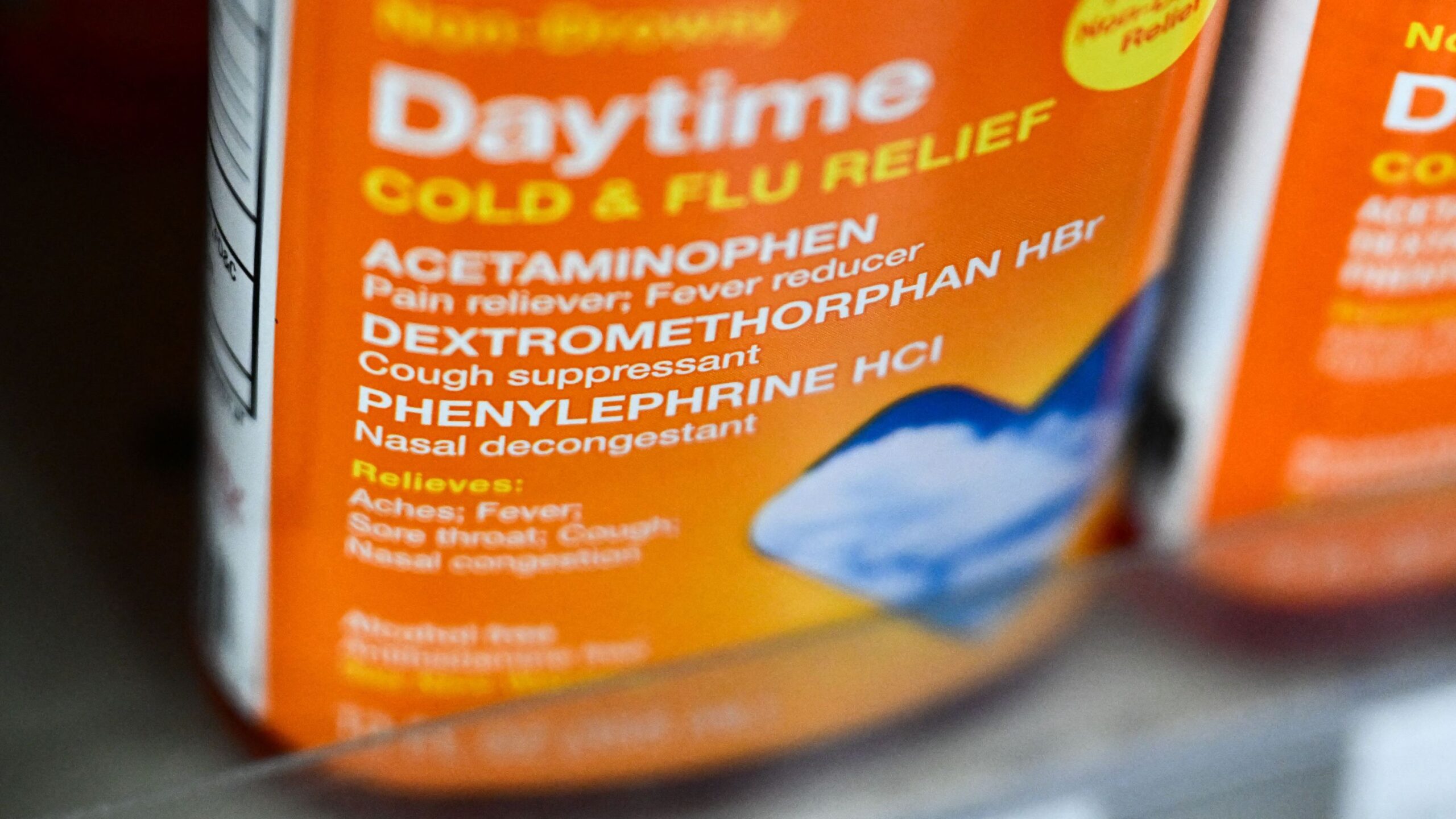
The U.S. Food and Drug Administration (FDA) has announced plans to remove a widely used over-the-counter decongestant from store shelves, citing mounting evidence that it may not be effective in treating nasal congestion. The move has raised concerns among consumers and healthcare professionals who rely on the product, but it also underscores the ongoing scrutiny of the efficacy of certain common medications.
The Decongestant in Question: Phenylephrine
The decongestant at the center of the FDA’s decision is phenylephrine, an ingredient found in many popular cold and allergy medications. It is most commonly used in combination with other active ingredients in products like Sudafed PE, as well as various nasal sprays and cough syrups. Phenylephrine is marketed as a remedy for nasal congestion, a common symptom of colds, allergies, and sinus infections.
For years, phenylephrine has been a staple in many medicine cabinets, but recent reviews of clinical data have cast doubt on its effectiveness. While the drug has been sold in the U.S. as a safe and reliable treatment for congestion, new findings from a series of clinical studies have raised concerns about whether it works as advertised.
The Evidence Against Phenylephrine
The primary issue with phenylephrine, according to experts, is that it may not be absorbed properly when taken orally. The FDA has been reviewing extensive clinical data and meta-analyses, and a growing body of evidence suggests that the oral form of phenylephrine is no more effective than a placebo in relieving nasal congestion.
In 2007, a review by the FDA’s expert advisory panel concluded that phenylephrine, when taken orally, does not effectively relieve congestion. Despite this, phenylephrine continued to be used in many popular cold and allergy medications, often marketed as a safer alternative to pseudoephedrine, a more effective but harder-to-obtain decongestant due to concerns about its use in making methamphetamine.
Recent studies have reinforced these concerns, showing that when taken orally, phenylephrine does not provide significant relief from congestion. A major 2022 study found no evidence of any benefit to oral phenylephrine compared to a placebo, prompting renewed calls for the FDA to take action.
FDA’s Decision and Consumer Impact
In response to the latest evidence, the FDA has moved to reevaluate the status of phenylephrine in over-the-counter products. As part of this effort, the agency is pushing to remove products containing the oral form of phenylephrine from the market, although nasal sprays containing the ingredient may still remain available due to their localized effect.
For consumers, this decision means that many cold and allergy medications may no longer include phenylephrine as a primary ingredient. Products that rely on phenylephrine will likely be reformulated with other active ingredients, such as pseudoephedrine, or alternatives that are more effective in treating nasal congestion.
This shift is expected to have significant implications for the pharmaceutical industry. Manufacturers will need to adjust their product formulations, while retailers will have to update their shelves to reflect the change. Consumers who have relied on phenylephrine-based products for relief may also have to adjust their purchasing habits, potentially seeking alternatives that offer more proven efficacy.
The Role of Pseudoephedrine: A Safer but Controlled Option
While phenylephrine may soon be pulled from shelves, the more effective decongestant, pseudoephedrine, is still available, though it is often subject to restrictions. Pseudoephedrine works by shrinking the blood vessels in the nasal passages, which reduces swelling and allows air to flow more freely through the sinuses. However, because pseudoephedrine can be used in the illicit production of methamphetamine, it is tightly regulated in the U.S.
Consumers seeking pseudoephedrine products must ask for them behind the pharmacy counter and provide identification. These regulations have made pseudoephedrine less accessible than phenylephrine, which has led many people to rely on the latter as a seemingly convenient alternative.
However, with the FDA’s move to remove phenylephrine, the industry may face renewed discussions about increasing access to pseudoephedrine or developing new, more effective alternatives that do not carry the same regulatory restrictions.
What Consumers Should Know
For consumers who regularly use over-the-counter cold and allergy medications containing phenylephrine, it’s important to be aware of the upcoming changes. The FDA’s decision will likely lead to some confusion as products are reformulated or pulled from the shelves. For those seeking effective relief from nasal congestion, it’s a good idea to consult with a healthcare provider about the best alternatives.
In the meantime, other non-pharmaceutical remedies, such as saline nasal sprays, steam inhalation, and humidifiers, may help relieve congestion without the need for medication. In cases where oral medications are necessary, pseudoephedrine-based products may provide more reliable results.
The Future of Decongestants: What Comes Next?
The FDA’s move to pull phenylephrine from the shelves is part of a broader trend of increased scrutiny of over-the-counter medications. As new research sheds light on the efficacy and safety of common drugs, regulatory agencies are tasked with ensuring that consumers have access to products that work as promised.
For decongestants, this may mean a shift toward more effective, evidence-based treatments that can provide real relief. Whether through increased access to pseudoephedrine or the development of new medications, the future of nasal congestion treatment may see a significant evolution as the pharmaceutical industry responds to the growing demand for safe, effective solutions.
Conclusion
The FDA’s decision to reevaluate and potentially remove phenylephrine from over-the-counter cold and allergy medications underscores the importance of evidence-based healthcare. While phenylephrine has been a popular decongestant for years, growing concerns about its efficacy have prompted the FDA to act in the best interest of consumers. As the industry adapts to these changes, consumers will need to stay informed about new options for relieving nasal congestion and consider consulting healthcare providers for personalized advice on managing their symptoms.