People Flock to Asheville to Escape Extreme Weather Amid Climate Change
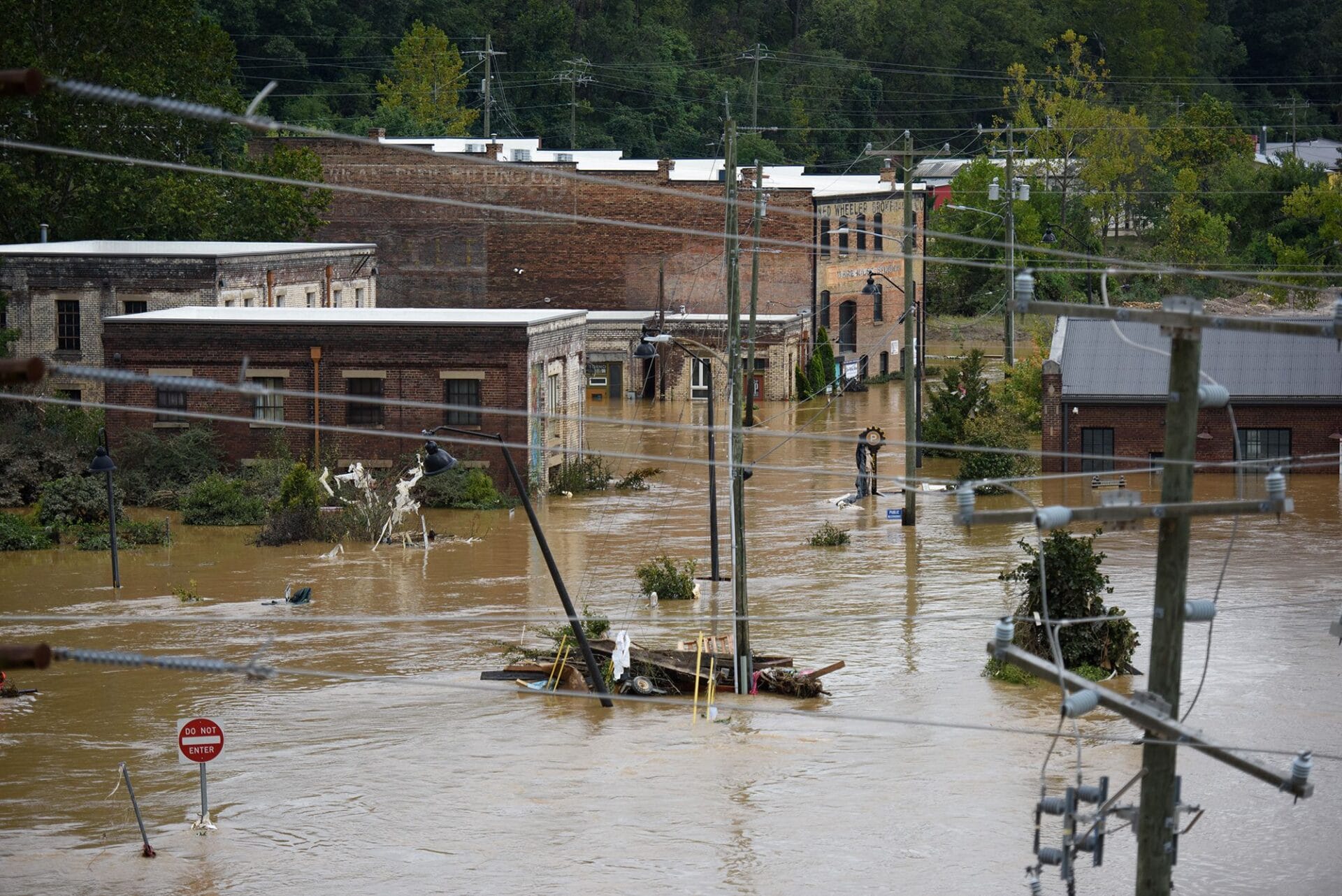
In recent years, the city of Asheville, North Carolina, has experienced an influx of new residents drawn to its moderate climate and scenic mountain views. Many of these newcomers are fleeing extreme weather events—such as hurricanes, wildfires, and floods—that are increasingly devastating other parts of the country due to climate change. With its cooler temperatures, lower risk of natural disasters, and reputation as a progressive, eco-friendly community, Asheville has become a haven for climate-conscious movers seeking refuge from unpredictable weather patterns.
A Safe Haven from Climate Change
As hurricanes intensify along the Atlantic and Gulf coasts, wildfires ravage the West, and extreme heatwaves scorch the South and Midwest, people are looking for safer places to live. Asheville, nestled in the Blue Ridge Mountains, offers a more stable climate with mild summers, relatively cool winters, and fewer risks of extreme natural disasters. The region is also less prone to hurricanes and floods compared to coastal cities.
“I moved here because the idea of dealing with hurricanes every year just wasn’t sustainable,” said Sarah Thompson, a former Miami resident who relocated to Asheville after Hurricane Irma in 2017. “Asheville felt like a safer place, with cleaner air and beautiful surroundings.”
While no place is immune to the impacts of climate change, Asheville’s geography and moderate elevation make it more insulated from the increasingly volatile weather patterns affecting other regions. This has led to its growing appeal as a climate refuge.
A Growing Trend
As extreme weather events become more frequent and intense, climate migration is becoming a significant trend across the United States. Asheville is not alone in attracting climate migrants, but it has become a notable destination due to its natural beauty, vibrant arts scene, and reputation for sustainability.
Real estate agents in Asheville report a sharp increase in demand for homes, with buyers specifically mentioning climate change as a factor in their decision to move. According to data from local real estate agencies, the housing market in Asheville has seen a boom in recent years, with property values rising steadily as more people seek the relative safety of the mountains.
“We’re seeing a lot of people from coastal cities, California, and the Southwest moving here,” said Mary Taylor, a local realtor. “They want to escape the fires, the hurricanes, the extreme heat—and Asheville’s reputation as a welcoming, environmentally-conscious community adds to the appeal.”
Economic and Social Impacts
While the influx of new residents has brought economic benefits to the region, including a boost to local businesses, it has also led to challenges. Housing prices have skyrocketed, leading to concerns about affordability for longtime residents. Gentrification has become a growing issue, as wealthier newcomers drive up property values, pricing out lower-income locals.
Environmentalists are also concerned that the population boom could strain Asheville’s infrastructure and natural resources. The city has worked hard to build its reputation as an eco-friendly community, with strong commitments to sustainability, green energy, and conservation. However, as more people move in, some worry that the region’s environmental balance could be disrupted.
“We need to make sure that we’re not overwhelming the environment here,” said Jim McDonald, an environmental advocate in Asheville. “Yes, people are fleeing climate disasters, but we have to ensure that Asheville doesn’t become a victim of its own success by taking on more than the land can handle.”
Preparing for the Future
As Asheville’s popularity grows, the city is grappling with how to accommodate the surge in population while maintaining its character and environmental ethos. Local government officials are implementing policies aimed at managing growth responsibly, including promoting sustainable building practices, expanding public transportation, and preserving green spaces.
“We understand why people are moving here, and we welcome them,” said Asheville Mayor Esther Manheimer. “But we also want to ensure that we’re prepared for this growth in a way that protects the environment and preserves what makes Asheville special.”
The city’s efforts include investing in climate resilience measures, such as upgrading water and energy systems, improving stormwater management, and promoting community-led conservation projects. Asheville has long been a leader in environmental initiatives, and city officials are committed to adapting to the new reality of climate migration.
Asheville’s Appeal Amid Climate Concerns
In addition to its relatively stable climate, Asheville offers an attractive quality of life, which has contributed to its appeal as a relocation destination. The city boasts a thriving arts and music scene, numerous outdoor activities, and a strong sense of community. It’s also known for its progressive values, with a focus on sustainability, organic farming, and green living.
For many, moving to Asheville is about more than just escaping extreme weather—it’s about finding a place that aligns with their values. From eco-conscious professionals to retirees seeking a slower pace of life, the city has become a destination for those looking to live more sustainably in a world increasingly affected by climate change.
Conclusion
As climate change continues to reshape where and how people live, Asheville is emerging as a safe haven for those seeking refuge from extreme weather. While the city’s popularity as a climate refuge brings both opportunities and challenges, it also highlights the growing need for communities across the U.S. to prepare for the impacts of climate migration. For many, Asheville represents not only a new home but also hope for a future in which sustainability and safety can go hand in hand.