Spider Forces Male Fireflies to Flash: A Deadly Trick of Nature
Spider Forces Male Fireflies to Flash: A Deadly Trick of Nature
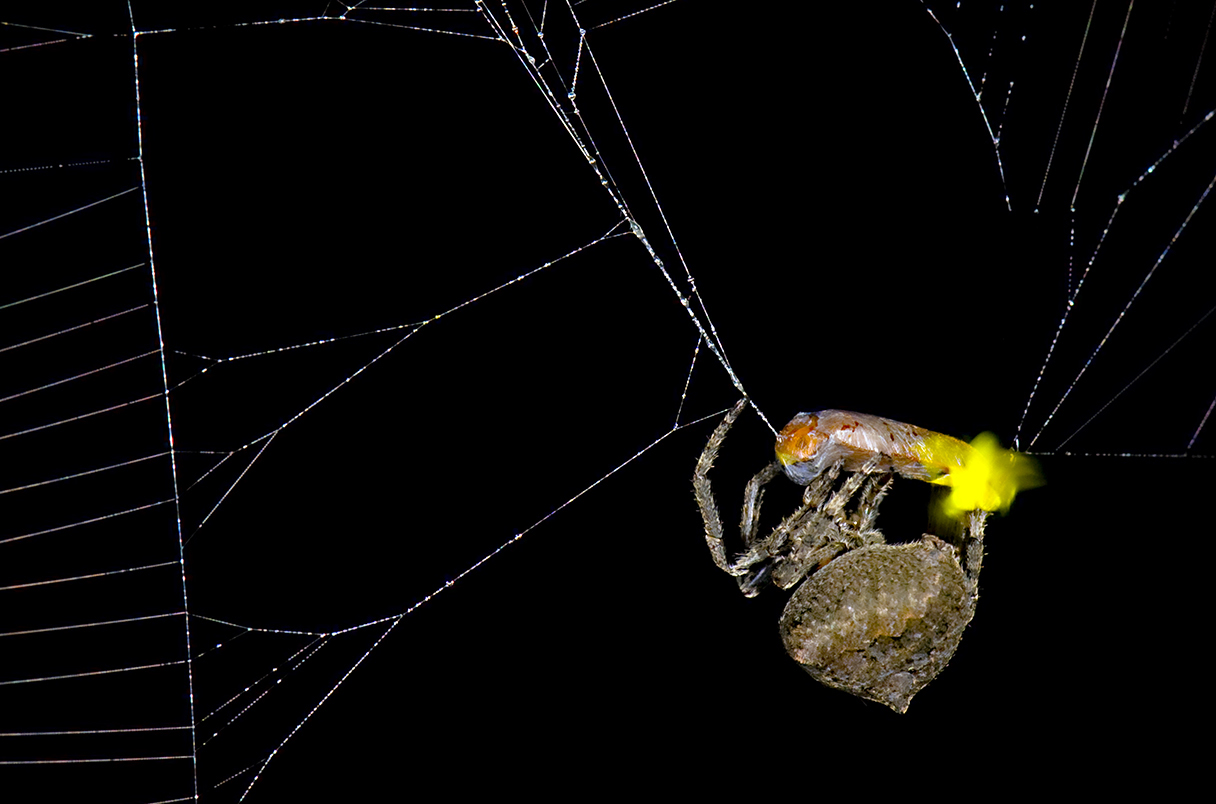
In a fascinating yet deadly interaction between predator and prey, researchers have uncovered a surprising behavior in certain spiders that prey on male fireflies. These spiders have evolved a cunning tactic to lure in their prey: forcing the male fireflies to flash their bioluminescent signals, which are typically used to attract mates, but in this case, lead them straight into a deadly trap.
The Deceptive Dance of Light
Fireflies, known for their mesmerizing light displays during warm summer evenings, use their flashes to communicate with potential mates. Each species of firefly has a unique pattern of flashes, which males use to attract females of the same species. However, this natural courtship ritual has been co-opted by certain spiders, which have developed a sinister strategy to exploit the fireflies’ mating signals.
These spiders, belonging to the genus Phidippus, are known as jumping spiders and are typically skilled hunters. What sets them apart in this scenario is their ability to manipulate the behavior of their prey. When a male firefly approaches the spider, instead of immediately attacking, the spider restrains the firefly but does not kill it outright. Instead, the spider forces the male firefly to continue flashing its mating signal. This involuntary flashing serves as a beacon, attracting other unsuspecting male fireflies to the area. Once they arrive, they too become victims of the spider’s trap.
A Deadly Chain Reaction
The spider’s tactic is highly effective because it takes advantage of the male firefly’s biological programming. Male fireflies are drawn to the flashing signals of other males, which they interpret as the presence of a potential mate. By forcing a captured firefly to continue flashing, the spider can lure in multiple fireflies over a short period, increasing its chances of catching more prey without having to expend additional energy searching for them.
This behavior is a remarkable example of how predators can evolve sophisticated methods to exploit the natural behaviors of their prey. It’s a deadly chain reaction, where one captured firefly inadvertently seals the fate of others.
Implications for Understanding Predator-Prey Dynamics
The discovery of this behavior offers new insights into the complex dynamics between predators and their prey. It highlights the lengths to which predators will go to secure food and the intricate ways in which they can manipulate the behavior of their prey.
This phenomenon also raises questions about the evolutionary arms race between predators and prey. Fireflies have evolved their flashing patterns as a way to communicate and reproduce, but now that this behavior is being exploited by predators, it could drive future adaptations in fireflies to avoid such traps.
Conservation and Ecosystem Impact
While this interaction between spiders and fireflies is a natural part of their ecosystem, it underscores the delicate balance within these environments. Fireflies are already facing threats from habitat loss, light pollution, and climate change, which have led to declining populations in many areas. The added pressure from predators exploiting their mating signals could further impact firefly populations, particularly in areas where these spiders are prevalent.
Conservation efforts aimed at protecting firefly habitats must take into account the complex interactions between species, ensuring that interventions do not unintentionally disrupt these delicate relationships. Understanding the full impact of such predatory behaviors on firefly populations could inform strategies to preserve these enchanting insects for future generations.
Conclusion
The discovery that spiders can force male fireflies to flash as a way to lure in more prey is a stunning example of nature’s complexity and the intricate dance between predator and prey. This behavior not only reveals the spider’s cunning hunting tactics but also sheds light on the broader ecological interactions that shape our natural world. As researchers continue to study these interactions, they provide us with a deeper understanding of the delicate balance that sustains life in all its forms.