Technology: Humanity’s Double-Edged Sword
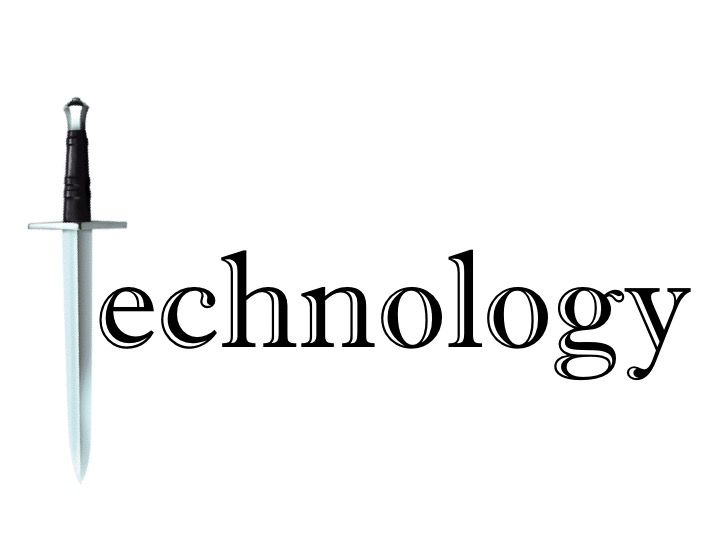
Technology: Humanity’s Double-Edged Sword
Introduction
We live in an age of unprecedented technological advancement. From the smartphones buzzing in our pockets to the algorithms shaping our news feeds, technology permeates every facet of modern life. It promises efficiency, connection, and progress, and in many ways, it delivers. But like a finely crafted sword, capable of both protecting and inflicting harm, technology presents humanity with a double-edged blade. Are we wielding it wisely, or are we slowly cutting ourselves?
Think about it. We can instantly communicate with loved ones across the globe, access a vast ocean of information with a few taps, and automate tasks that once consumed countless hours. Yet, we’re also battling rampant misinformation, facing rising rates of digital addiction, and grappling with the ethical implications of artificial intelligence. The very tools designed to liberate us can, ironically, become instruments of control, isolation, and even societal division.
The Short-Term Cuts: Immediate Impacts We Can’t Ignore
In the short term, the immediate impacts of technology are often the most glaring. Take social media, for example. It connects us, allows us to build communities, and facilitates social movements. But it also fuels cyberbullying, cultivates unrealistic expectations, and contributes to feelings of inadequacy and anxiety. We see the constant curated highlights of others’ lives and compare them to our own messy realities, leading to a distorted sense of self-worth.
Then there’s the issue of instant gratification. Technology has trained us to expect immediate results. We can order food, stream movies, and access information with lightning speed. While convenient, this instant access can erode our patience, diminish our ability to delay gratification, and make us less tolerant of challenges and setbacks.
Perhaps most concerning is the spread of misinformation and the erosion of trust. Deepfakes, manipulated videos, and algorithms that prioritize engagement over accuracy create echo chambers where false narratives flourish. This makes it increasingly difficult to discern truth from fiction, leading to polarization, social unrest, and a general distrust of institutions and experts.
The Long Game: The Potential Repercussions for Future Generations
Looking further ahead, the long-term implications of our technological choices are even more profound. The rise of automation, while promising increased efficiency and productivity, also threatens to displace workers across various industries. We need to prepare for a future where traditional jobs may become obsolete, requiring us to adapt and acquire new skills.
Furthermore, the constant exposure to technology, especially during formative years, can have lasting effects on cognitive development. Studies suggest that excessive screen time can impact attention spans, critical thinking skills, and even emotional intelligence. We risk raising a generation that is highly adept at navigating digital landscapes but less equipped to engage in meaningful real-world interactions.
Perhaps the most existential threat lies in the development of artificial intelligence. While AI offers immense potential for solving complex problems and improving our lives, it also raises ethical dilemmas that we must address proactively. From autonomous weapons to biased algorithms, the potential for AI to be misused or to operate outside of human control is a serious concern.
Healing the Wounds: Practical Solutions for a Tech-Balanced Future
So, how do we navigate this complex landscape and ensure that technology serves humanity’s best interests? The good news is that we have the power to shape our technological future. It requires a conscious and collective effort, but it is certainly achievable. Here are some practical solutions we can implement:
- Cultivate Digital Literacy: Education is key. We need to equip individuals with the critical thinking skills necessary to evaluate information, identify misinformation, and navigate the digital world responsibly. This includes teaching children about online safety, privacy settings, and the dangers of cyberbullying. Schools and community organizations should prioritize digital literacy programs to empower individuals of all ages.
- Example: Schools can incorporate media literacy into their curriculum, teaching students how to identify fake news, evaluate sources, and understand the algorithms that shape their online experience.
- Promote Mindful Technology Use: We need to be more intentional about how we use technology. This means setting boundaries, taking regular breaks, and prioritizing real-world interactions. We can use apps and tools to track our screen time and set limits. We can also consciously disconnect from technology during certain times of the day, such as during meals or before bed.
- Example: Implementing a “digital sunset” in your household, where all screens are turned off after a certain hour, can promote better sleep and encourage family interaction.
- Support Ethical Tech Development: We need to demand ethical standards from tech companies. This includes transparency in algorithms, responsible data collection practices, and a commitment to combating misinformation. We can support organizations that are advocating for ethical tech development and holding companies accountable for their actions.
- Example: Supporting open-source AI projects, which allow for greater transparency and community oversight, can help ensure that AI is developed in a responsible and ethical manner.
- Foster Real-World Connections: Technology should enhance our real-world relationships, not replace them. We need to prioritize spending time with loved ones, engaging in community activities, and pursuing hobbies that bring us joy and fulfillment.
- Example: Joining a local book club, volunteering at a community center, or taking up a new hobby that involves face-to-face interaction can help foster real-world connections.
- Advocate for Policy Changes: Governments and regulatory bodies need to play a role in shaping the technological landscape. This includes enacting laws to protect privacy, combat misinformation, and regulate the use of AI. We can advocate for these changes by contacting our elected officials and supporting organizations that are working to shape tech policy.
- Example: Supporting legislation that requires social media platforms to take responsibility for the content posted on their sites can help combat the spread of misinformation and hate speech.
Choosing Your Path: Alternative Approaches to Tech-Life Balance
There’s no one-size-fits-all solution to navigating the complexities of technology. Here are some alternative approaches you can consider:
- The “Digital Minimalist”: This approach involves consciously reducing your use of technology to the bare minimum. It focuses on identifying the tools and services that truly add value to your life and eliminating the rest.
- The “Tech-Conscious Optimizer”: This approach involves using technology strategically and intentionally. It focuses on leveraging technology to improve productivity, enhance learning, and connect with others in meaningful ways, while also being mindful of potential downsides.
- The “Tech-Life Integrator”: This approach involves seamlessly integrating technology into your life in a way that enhances your well-being and promotes balance. It focuses on using technology to support your goals and values, while also being mindful of the need for offline time and real-world connections.
A Future Forged with Wisdom: Embracing the Potential, Mitigating the Risks
Technology is a powerful tool, capable of shaping our world in profound ways. By understanding its potential risks and embracing mindful practices, we can harness its power for good and create a future where technology serves humanity’s best interests. It’s not about rejecting technology altogether, but about wielding it with wisdom, discernment, and a deep understanding of its potential impact.
The future is not predetermined. It’s a tapestry we weave together, thread by thread, with every technological decision we make. Let us choose to weave a future where technology empowers us, connects us, and enriches our lives, without sacrificing our well-being, our values, or our humanity. The power to shape that future is in our hands. Let’s use it wisely.