Tech’s Tipping Point: Humanity Redefined.
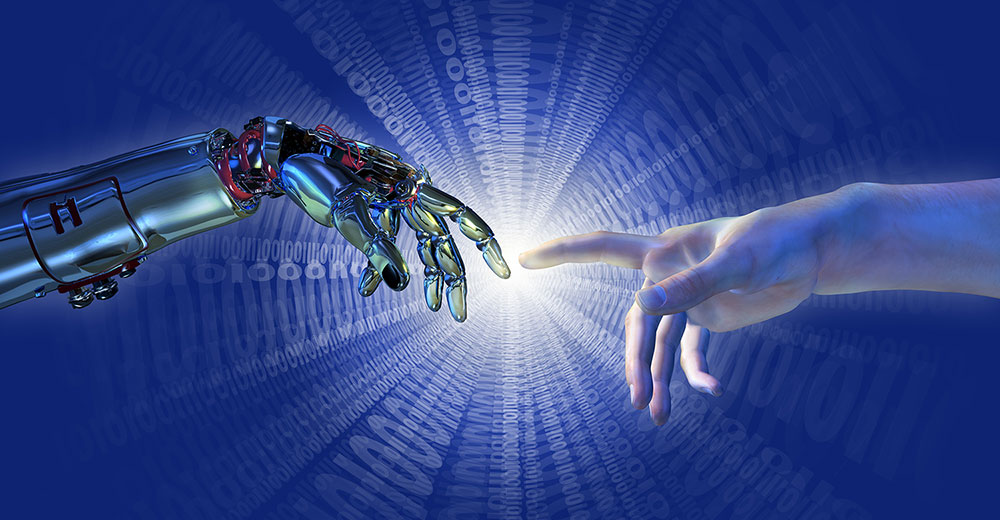
Tech’s Tipping Point: Humanity Redefined
Remember that feeling when you first saw a smartphone? That sense of endless possibility nestled in the palm of your hand? We’ve been riding that wave of innovation for years, but lately, it feels like something’s shifted. We’re no longer just adapting to new tech; we’re being fundamentally *redefined* by it. Are we architects of this digital future, or are we just passengers strapped in for a wild ride? Welcome to the tipping point.
The Short-Term: Convenience vs. Control
In the immediate future, the benefits of technology are undeniable. Automation streamlines our work, AI powers personalized learning, and global connectivity shrinks the world. We’re ordering groceries with a voice command, tracking our health stats with a wristband, and consulting AI-powered doctors from our living rooms. It’s incredibly convenient.
But this convenience comes at a cost. Algorithms curate our newsfeeds, subtly shaping our perspectives. Facial recognition blurs the line between public and private. Job displacement due to automation is no longer a sci-fi fantasy, it’s a present-day reality. The short-term question isn’t just about how technology *improves* our lives, but how it *controls* them.
Take, for example, the rise of “deepfake” technology. While initially novel, the potential for misinformation and reputational damage is terrifying. Imagine the impact on political discourse, or the erosion of trust in visual evidence. This isn’t just a theoretical concern; it’s happening now, impacting everything from personal relationships to international relations.
The Long-Term: The Future of Being Human
Looking further ahead, the implications become even more profound. The integration of technology with the human body, through bio-implants and genetic engineering, raises questions about what it even means to be human. Will we enhance ourselves to the point where the line between human and machine blurs?
Consider the burgeoning field of neurotechnology. Scientists are developing devices that can read and even influence brain activity. While the potential benefits for treating neurological disorders are immense, the ethical implications are staggering. Who controls access to this technology? How do we protect individuals from coercion or manipulation? These aren’t questions for a distant future; they require serious consideration today.
Moreover, the relentless pursuit of efficiency and optimization could inadvertently lead to a homogenization of human experience. If AI is trained to identify the “best” solutions, are we risking the suppression of creativity, diversity of thought, and the very qualities that make us unique?
Navigating the Tipping Point: Practical Solutions
The good news is that we’re not powerless. We can actively shape the future of technology, ensuring it serves humanity rather than the other way around. Here are some practical solutions we can adopt:
- Prioritize Digital Literacy: Education is paramount. We need to equip individuals with the skills to critically evaluate information, understand algorithmic biases, and navigate the digital landscape responsibly. This includes educating ourselves, our children, and our communities.
- Example: Schools should integrate digital literacy into the curriculum, teaching students how to identify fake news, understand data privacy settings, and use technology ethically. Libraries can offer workshops for adults on online safety and critical thinking.
- Demand Transparency and Accountability: We need to hold tech companies accountable for the impact of their products and services. This means demanding transparency in algorithms, advocating for data privacy regulations, and supporting ethical AI development.
- Example: The European Union’s General Data Protection Regulation (GDPR) provides a framework for data privacy and accountability. Similar regulations are needed globally to protect individuals’ rights and ensure responsible data practices.
- Invest in Human-Centered Design: Technology should be designed with human needs and values at its core. This means considering the social, ethical, and psychological implications of new technologies before they are widely adopted.
- Example: Instead of simply automating tasks, companies should focus on creating technologies that augment human capabilities, empowering workers and fostering creativity. This could involve developing AI-powered tools that assist with complex decision-making or provide personalized training opportunities.
- Foster Inclusive Dialogue: We need to create platforms for open and inclusive conversations about the future of technology. This includes bringing together policymakers, technologists, ethicists, and the public to discuss the challenges and opportunities ahead.
- Example: Universities and research institutions can host conferences and workshops to explore the ethical implications of emerging technologies. Governments can establish advisory boards to provide guidance on technology policy and regulation.
- Embrace Tech Minimalism and Purposeful Use: Actively cultivating a healthy relationship with technology is vital. This involves being mindful of our usage, setting boundaries, and prioritizing real-world experiences.
- Example: Designate screen-free times during the day, such as meal times or before bed. Utilize tools that track your screen time to identify areas where you can reduce your usage. Consciously choose activities that engage you in the real world, such as spending time with loved ones, pursuing hobbies, or volunteering in your community.
Alternative Approaches: A Multi-Faceted Strategy
No single solution will solve the complex challenges posed by technology’s tipping point. A multi-faceted strategy is required, incorporating elements of regulation, education, ethical development, and individual responsibility.
- Decentralized Technology: Exploring decentralized technologies, like blockchain, can empower individuals with greater control over their data and reduce reliance on centralized platforms.
- Open-Source Development: Encouraging open-source development can promote transparency, collaboration, and community oversight of technology.
- Universal Basic Income: As automation continues to displace workers, exploring alternative economic models, such as universal basic income, may be necessary to ensure economic security and social stability.
A Call to Action: Shaping Our Digital Destiny
We stand at a critical juncture. The technology we create today will shape the world we inhabit tomorrow. It’s easy to feel overwhelmed by the pace of change, but remember: we have agency. By embracing digital literacy, demanding accountability, investing in human-centered design, and fostering inclusive dialogue, we can navigate this tipping point and ensure that technology serves humanity’s best interests.
The future isn’t predetermined. It’s being written in real-time, with every click, every line of code, every decision we make. Let’s choose to write a future where technology empowers us, enriches our lives, and celebrates the unique tapestry of human experience. The journey won’t be easy, but the destination – a future where technology and humanity thrive together – is worth fighting for. Let’s get to work.