The Spinning Gargantuan Iceberg: A Colossal Force in Motion
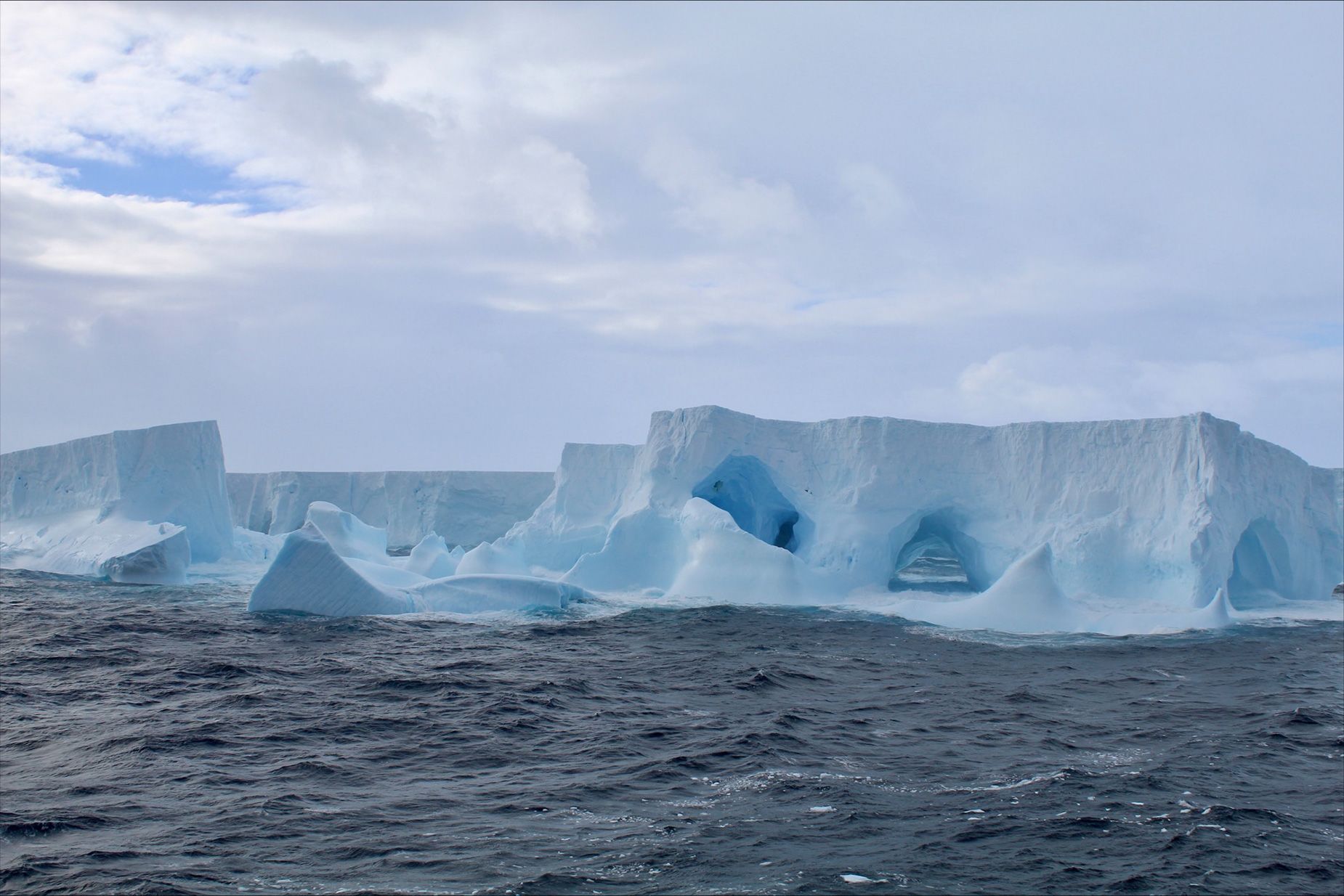
The Spinning Gargantuan Iceberg: A Colossal Force in Motion
The world’s oceans are home to countless natural wonders, but few are as awe-inspiring—or as potentially dangerous—as a gargantuan iceberg. Recently, a massive iceberg has captured global attention, not just for its size, but for its unusual behavior: it’s spinning. This phenomenon has intrigued scientists and observers alike, raising questions about the forces at play in the remote and icy waters where it drifts.
The Birth of a Giant: Iceberg Formation
Icebergs are born when chunks of ice break off, or calve, from glaciers or ice shelves, typically in the polar regions of the Earth. These floating islands of ice can range from small fragments to colossal masses, some spanning several kilometers in length. The iceberg in question, currently spinning in the Southern Ocean, is one of the latter—a true giant of the seas.
This particular iceberg likely originated from one of the major Antarctic ice shelves, where climate change and natural processes are causing increasing amounts of ice to break away. Once detached, these icebergs embark on a journey that can last for years, drifting with ocean currents and slowly melting as they move into warmer waters.
The Spin: A Rare and Mysterious Motion
While it’s not uncommon for icebergs to rotate or shift, the sustained and pronounced spinning of this iceberg is a rarity. The iceberg’s rotation has been observed from satellite imagery and documented by scientists studying the Southern Ocean. The slow, majestic turn of this enormous ice mass is not only visually stunning but also scientifically significant.
The rotation of icebergs is influenced by a combination of factors, including ocean currents, wind patterns, and the iceberg’s own shape and buoyancy. In this case, scientists believe that a complex interplay of these forces is responsible for the iceberg’s spinning motion.
One contributing factor may be the iceberg’s uneven shape. Icebergs are often irregular in form, with some parts extending deeper into the water than others. This imbalance can cause the iceberg to tilt and rotate as it responds to the varying pressures exerted by the surrounding water. Additionally, as the iceberg melts, its center of mass can shift, further contributing to its rotation.
The Impact of the Spinning Iceberg on the Environment
The presence of a spinning iceberg of this magnitude is more than just a fascinating spectacle; it has real-world implications for the surrounding environment. As the iceberg rotates, it can influence the local ocean currents and temperatures, potentially disrupting marine ecosystems. The melting of such a large ice mass also contributes to the overall rise in sea levels, a pressing concern in the context of global climate change.
Moreover, the iceberg’s movement poses a potential hazard to shipping lanes and marine life. The Southern Ocean is known for its harsh and unpredictable conditions, and the addition of a spinning iceberg increases the risks for vessels navigating these waters. In recent years, there have been growing concerns about the safety of maritime activities in polar regions, particularly as climate change leads to the increased calving of icebergs.
Scientific Observations: Tracking the Iceberg’s Journey
Scientists are closely monitoring the spinning iceberg, using satellite imagery and other remote sensing technologies to track its movements and behavior. These observations provide valuable data on the dynamics of iceberg motion and the forces at work in the Southern Ocean.
Understanding the behavior of icebergs is crucial for predicting their impact on global sea levels and climate patterns. The data collected from this iceberg’s journey will contribute to broader climate models, helping researchers to refine their predictions about the future of our planet’s polar regions.
Conclusion: A Marvel of Nature and a Reminder of Change
The spinning gargantuan iceberg is a powerful reminder of the dynamic and ever-changing nature of our planet. As it slowly rotates in the frigid waters of the Southern Ocean, it captures the imagination and attention of scientists and the public alike. This iceberg, like many others, is a symbol of the broader environmental changes occurring in the polar regions—changes that have far-reaching implications for the world as a whole.
While the iceberg’s spin may eventually slow and stop as it melts away, the data and insights gained from its observation will continue to inform our understanding of the Earth’s complex climate system. In the meantime, the spectacle of this colossal ice mass in motion serves as both a marvel of nature and a poignant reminder of the ongoing transformations in our world.