Top Renewable Energy Trends Shaping the Future of Clean Power
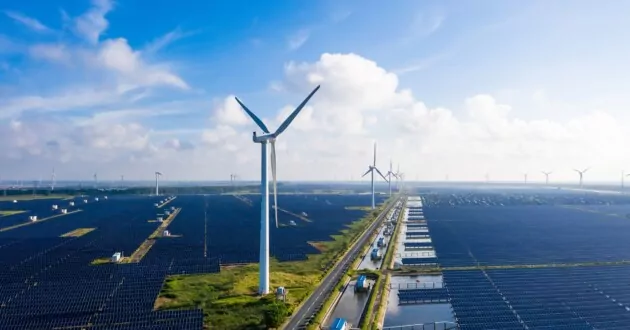
Top Renewable Energy Trends Shaping the Future of Clean Power
The renewable energy sector has seen rapid advancements and growing adoption worldwide, driven by the urgent need to combat climate change and reduce reliance on fossil fuels. As technology evolves and global policies shift towards sustainability, several key trends are emerging that will shape the future of renewable energy.
1. Expansion of Solar and Wind Power
Solar and wind power continue to dominate the renewable energy landscape, with significant investments and technological advancements pushing these sources to new heights.
- Solar Power: The cost of solar photovoltaics (PV) has dramatically decreased, making it one of the most affordable sources of electricity. Innovations in solar technology, such as bifacial panels that capture sunlight from both sides and perovskite solar cells, are increasing efficiency and lowering costs even further.
- Wind Power: Offshore wind farms are gaining traction, particularly in Europe and Asia, where space constraints and strong offshore winds make them an attractive option. Floating wind turbines are also emerging, allowing wind farms to be deployed in deeper waters, further expanding the potential for wind energy.
2. Energy Storage Solutions
Energy storage is crucial for balancing supply and demand, especially as the share of intermittent renewable energy sources like solar and wind increases. Several trends are driving the growth of energy storage:
- Battery Technology: Lithium-ion batteries remain the dominant technology for energy storage, but new advancements are improving their efficiency, capacity, and lifespan. Additionally, alternative battery technologies, such as solid-state batteries and flow batteries, are being developed to address some of the limitations of current systems.
- Grid-Scale Storage: As renewable energy generation becomes more widespread, grid-scale storage solutions are becoming essential for stabilizing electricity grids. Large-scale battery installations, such as Tesla’s Megapack, are being deployed to store excess energy and release it when needed, helping to smooth out fluctuations in power supply.
3. Green Hydrogen
Green hydrogen, produced through the electrolysis of water using renewable energy, is emerging as a key player in the clean energy transition. This versatile fuel can be used in various sectors, including transportation, industry, and power generation.
- Industrial Applications: Industries that are hard to decarbonize, such as steelmaking and chemical production, are exploring green hydrogen as a replacement for fossil fuels. This shift could significantly reduce industrial carbon emissions.
- Transportation: Green hydrogen is being considered as a solution for long-haul transportation, particularly in sectors where batteries may not be practical, such as aviation, shipping, and heavy-duty trucking.
4. Decentralized Energy Systems
Decentralized energy systems, or distributed energy resources (DERs), are gaining popularity as a way to generate and manage energy closer to the point of consumption. This trend includes:
- Microgrids: Microgrids, which are small-scale power grids that can operate independently or in conjunction with the main grid, are being deployed in remote areas, urban neighborhoods, and industrial sites. They enhance energy security and resilience, especially in regions prone to natural disasters or grid outages.
- Rooftop Solar and Home Batteries: Residential solar installations paired with home battery systems are becoming more common, allowing homeowners to generate and store their own energy. This not only reduces reliance on the grid but also provides backup power during outages.
5. Digitalization and Smart Grids
The digitalization of the energy sector is transforming how electricity is generated, distributed, and consumed. Smart grids, which use advanced sensors, data analytics, and AI, are enabling more efficient and reliable energy management.
- Demand Response: Smart grids allow for demand response programs, where consumers can adjust their energy usage during peak periods in exchange for financial incentives. This helps balance the grid and reduces the need for additional power generation during high-demand times.
- Predictive Maintenance: AI and machine learning are being used to predict equipment failures and optimize maintenance schedules, reducing downtime and increasing the efficiency of renewable energy assets.
6. Corporate Sustainability Initiatives
Businesses are increasingly committing to renewable energy as part of their corporate sustainability goals. This trend is driven by a combination of regulatory pressures, consumer demand, and the financial benefits of investing in clean energy.
- Power Purchase Agreements (PPAs): Many companies are entering into PPAs with renewable energy developers to secure long-term access to clean power. This helps companies meet their sustainability targets while providing financial stability to renewable energy projects.
- Carbon Neutrality: Companies are setting ambitious targets for carbon neutrality, often aiming to achieve 100% renewable energy usage in their operations. This shift is driving demand for renewable energy and encouraging further investments in the sector.
7. Policy Support and Global Collaboration
Government policies and international collaboration are playing a critical role in accelerating the adoption of renewable energy.
- Incentives and Subsidies: Many countries are offering incentives, subsidies, and tax breaks to promote the development and deployment of renewable energy projects. These policies are crucial for making clean energy competitive with traditional fossil fuels.
- Global Initiatives: International agreements like the Paris Agreement are fostering cooperation among nations to reduce greenhouse gas emissions and transition to renewable energy. Collaborative efforts, such as cross-border renewable energy projects and shared research initiatives, are also contributing to global progress.
Conclusion
The renewable energy sector is at the forefront of the global transition to a sustainable future. As these trends continue to evolve, they will not only help reduce carbon emissions and combat climate change but also create new economic opportunities and improve energy security worldwide. The ongoing innovation and commitment to clean energy are paving the way for a greener, more resilient world.