Union Slams Wage Offer for Key German Industries, Threatens Strikes
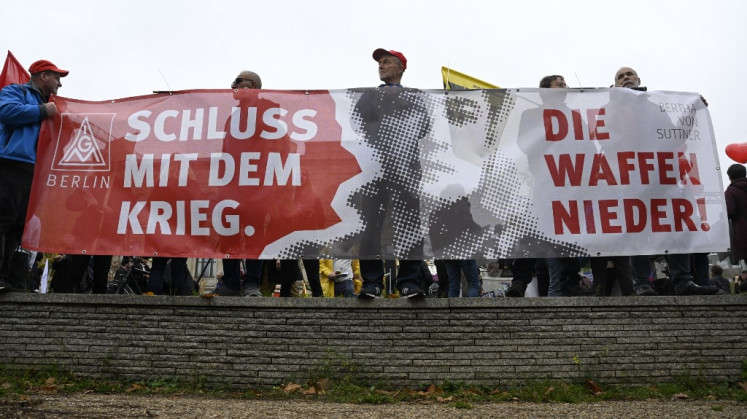
In a dramatic escalation of labor tensions in Germany, the powerful industrial union IG Metall has condemned the latest wage offer from major employers in key sectors, signaling a potential wave of strikes if negotiations do not improve. The dispute revolves around demands for substantial wage increases to address rising living costs and inflation, which have significantly impacted workers’ purchasing power.
Context of the Wage Negotiations
Germany, Europe’s largest economy, is currently facing significant economic challenges, including high inflation rates that have affected various sectors. In this climate, workers are seeking wage increases that not only keep pace with inflation but also reflect their contributions to the recovery and resilience of the economy.
IG Metall, representing over 2.3 million workers in the metal and electrical industries, has been at the forefront of advocating for better wages and working conditions. The union has emphasized that the latest offer from employers does not meet the needs of workers facing increasing financial pressures.
Details of the Wage Offer
The latest wage proposal from employers includes a modest increase, which IG Metall has deemed insufficient. The union argues that the offer fails to reflect the current economic realities faced by workers, who are dealing with soaring energy prices, housing costs, and the overall rise in the cost of living.
Union leaders have articulated a clear stance: they are demanding a significant wage increase of around 8-10% to address inflation and ensure a fair standard of living for their members. They have also called for improved job security and better working conditions in light of ongoing challenges in the global market.
Union’s Response and Strike Threats
In response to the disappointing wage offer, IG Metall has ramped up its rhetoric, threatening to initiate strikes across major German industries if employers do not come back to the negotiating table with a more favorable proposal. The union’s leaders have indicated that strikes could begin as early as next month if progress is not made, underscoring their commitment to securing a fair deal for workers.
“In a time of rising costs, our members deserve more than just a token gesture,” said IG Metall’s leader, Jörg Hofmann, in a recent statement. “We are prepared to take decisive action to ensure that our demands are met and that workers are not left behind in this economic climate.”
Potential Impact on the German Economy
The threat of strikes from IG Metall could have significant implications for the German economy, which relies heavily on its industrial sector. Strikes in key industries such as automotive manufacturing, machinery, and electronics could disrupt supply chains, hinder production, and lead to substantial economic losses.
Industry experts have raised concerns about the potential for prolonged labor disputes to exacerbate existing challenges, including workforce shortages and declining competitiveness in global markets. As Germany continues to navigate the post-pandemic recovery and energy transition, maintaining industrial stability will be crucial for sustaining economic growth.
Government and Employer Responses
In light of the escalating tensions, government officials have called for both sides to return to negotiations and seek a resolution that balances the needs of workers with the economic realities facing employers. The government has emphasized the importance of maintaining social peace and avoiding disruptions that could hinder economic recovery.
Employers, on the other hand, have expressed concerns about the potential impact of large wage increases on their ability to compete globally, particularly in a time of economic uncertainty. They have called for a more cautious approach to wage negotiations, advocating for measures that support both workers and businesses.
Conclusion
As the deadline for negotiations approaches, the standoff between IG Metall and employers in key German industries is poised to escalate. With the union’s strong stance on wage demands and the threat of strikes looming, the coming weeks will be critical in determining the outcome of these negotiations.
The situation highlights the broader challenges faced by workers in navigating economic pressures while advocating for fair compensation. As Germany grapples with the balance between maintaining economic competitiveness and ensuring fair wages for its workforce, the resolution of this dispute will be closely watched by both domestic and international observers.
With the potential for strikes hanging in the balance, the German labor landscape stands at a crossroads, where the actions taken now will shape the future of worker rights and economic stability in the country.