Unions Flag Strike Risk Unless VW Rules Out Plant Closures
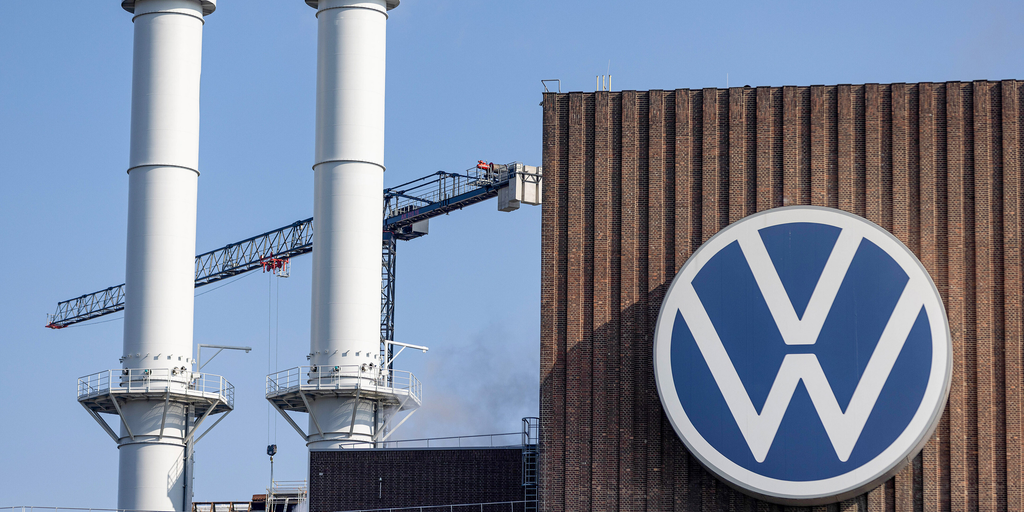
In a growing display of unrest within the automotive sector, unions representing Volkswagen (VW) workers have raised alarms about a potential strike unless the company explicitly rules out any plans for plant closures. This warning comes amid broader industry challenges, including economic pressures and changing market dynamics, which have prompted discussions about restructuring and job security within major automotive manufacturers.
Rising Tensions Amid Economic Pressures
The automotive industry has faced significant challenges over the past few years, including supply chain disruptions, increased production costs, and shifting consumer preferences toward electric vehicles (EVs). These factors have led many companies, including VW, to reevaluate their operational strategies, which often include discussions about potential plant closures and job cuts.
As VW navigates this complex landscape, unions have voiced their concerns regarding the impact of any closures on workers’ livelihoods and local economies. Workers fear that job losses and plant shutdowns could become a reality if the company prioritizes cost-cutting measures over job security.
Union Demands for Job Security
Unions representing VW employees are demanding clear commitments from the company regarding job security. They have called for negotiations to ensure that the workforce is not disproportionately affected by any future restructuring efforts. Union leaders emphasize the importance of preserving jobs and maintaining a stable work environment, especially as the automotive industry shifts toward electric and sustainable vehicle production.
The unions are pushing for a formal agreement that guarantees no plant closures or job losses in the immediate future. They argue that such commitments are essential for fostering a sense of security among workers, which is crucial for maintaining productivity and morale.
Potential for Strikes
As negotiations between the unions and VW continue, the threat of strikes looms larger. Union leaders have indicated that if VW fails to provide satisfactory assurances regarding plant operations, workers may resort to industrial action. Strikes could disrupt production and supply chains, potentially impacting the company’s bottom line and its ability to meet market demands.
The possibility of strikes highlights the growing tensions within the automotive sector as workers seek to protect their jobs and advocate for better working conditions. The unions’ firm stance reflects a broader trend of increasing labor activism in various industries, driven by workers’ desires for job security and fair treatment.
VW’s Response and Future Outlook
VW has acknowledged the concerns raised by unions but has also emphasized the need for flexibility in its operations to adapt to changing market conditions. The company has indicated that while it aims to transition toward electric vehicle production, it must also consider economic viability and competitiveness in a rapidly evolving industry.
The outcome of ongoing negotiations between VW and the unions will play a critical role in shaping the company’s future. If an agreement is reached that addresses workers’ concerns, it could pave the way for a more stable working environment. Conversely, failure to resolve these issues could lead to significant disruptions in production and further labor disputes.
The Broader Impact on the Automotive Industry
The situation at VW is emblematic of the broader challenges facing the automotive industry as it navigates a period of transition. As companies shift toward electric vehicles and face rising costs, labor relations will be increasingly scrutinized. The outcome of the VW negotiations could set a precedent for other manufacturers as they grapple with similar issues.
As unions mobilize to protect workers’ rights and job security, the automotive industry may face a new wave of labor activism. The response of companies to these challenges will be critical in determining their long-term success and the stability of their workforce.
Conclusion
With unions flagging the risk of strikes unless VW rules out plant closures, the automotive giant faces a pivotal moment in its labor relations. As workers advocate for job security amid a rapidly changing industry, the outcome of negotiations will not only impact VW employees but may also influence labor relations across the broader automotive sector. The coming weeks will be crucial in determining how VW navigates these challenges while balancing the need for operational flexibility with its commitments to its workforce.