Why Turning Cities into ‘Sponges’ Could Help Fight Flooding
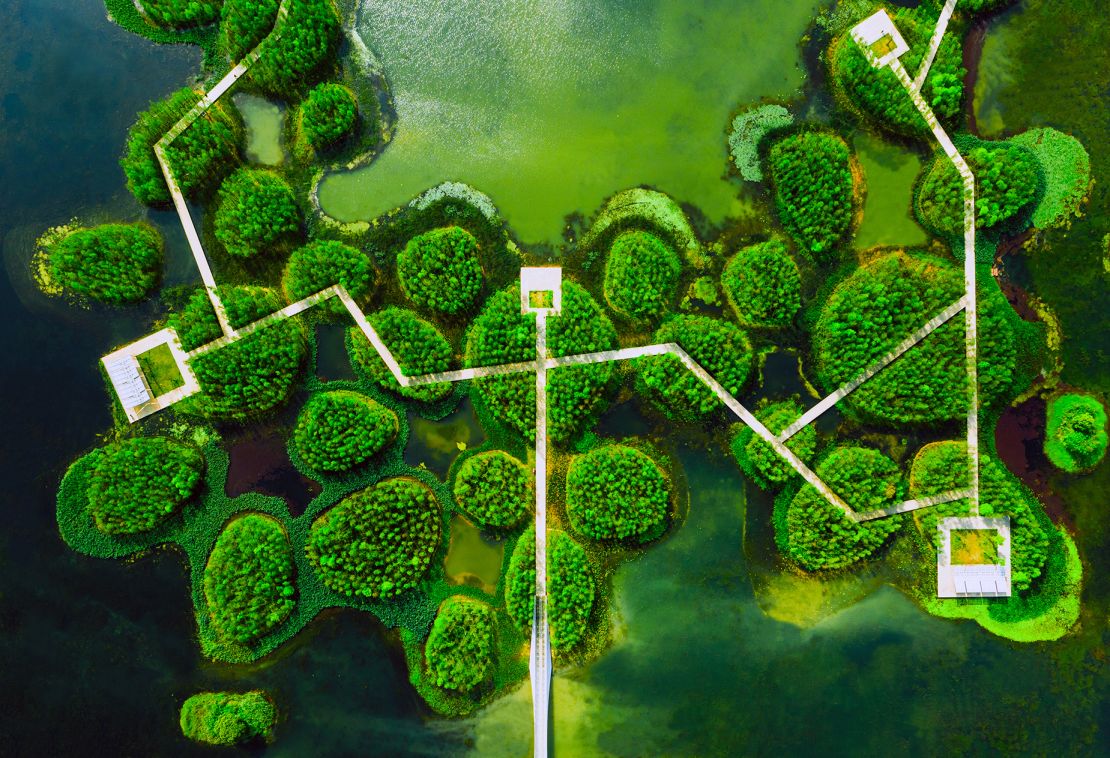
Why Turning Cities into ‘Sponges’ Could Help Fight Flooding
As climate change intensifies, urban areas around the world are increasingly vulnerable to severe flooding. Traditional infrastructure—designed to channel water away from cities—often proves insufficient in the face of extreme weather events. In response, a growing number of urban planners and environmental scientists are advocating for a radical shift in how we manage water in cities: by transforming them into “sponge cities.” This innovative approach aims to mitigate flooding by allowing cities to absorb, store, and slowly release rainwater, mimicking natural processes that have been disrupted by urban development.
The Problem: Urban Flooding and Its Consequences
Urban flooding is a significant and growing problem for many cities, especially in regions prone to heavy rainfall or rising sea levels. Rapid urbanization has led to the widespread use of impermeable surfaces like concrete and asphalt, which prevent rainwater from being absorbed into the ground. Instead, water quickly accumulates on the surface, overwhelming drainage systems and leading to flash floods.
The consequences of urban flooding are severe. Beyond the immediate damage to infrastructure, homes, and businesses, flooding can cause long-term economic losses, disrupt essential services, and pose serious public health risks. In densely populated cities, the impacts are even more pronounced, with vulnerable communities often bearing the brunt of the devastation.
The Sponge City Concept: An Overview
The sponge city concept offers a promising solution to the challenges of urban flooding. At its core, the idea is simple: design cities to act like sponges, absorbing and retaining rainwater rather than diverting it away. This approach involves integrating green infrastructure—such as parks, wetlands, green roofs, and permeable pavements—into urban landscapes. These features work together to capture and store rainwater, reduce runoff, and enhance the natural water cycle.
Sponge cities are not only about preventing floods; they also offer a range of additional benefits. By increasing green spaces, these cities can improve air quality, reduce urban heat island effects, enhance biodiversity, and provide recreational opportunities for residents. Moreover, by promoting the natural infiltration of rainwater, sponge cities help replenish groundwater supplies, which are crucial for maintaining water availability during dry periods.
Implementing Sponge City Strategies
Transforming a city into a sponge involves a combination of strategies, each tailored to the local environment and urban context. Key components of sponge city infrastructure include:
- Green Roofs and Walls: Vegetated roofs and walls absorb rainwater, reduce runoff, and provide insulation for buildings. They also create habitats for urban wildlife and improve the aesthetic appeal of cityscapes.
- Permeable Pavements: Unlike traditional concrete and asphalt, permeable pavements allow water to seep through the surface and into the ground below. These pavements are particularly useful in parking lots, sidewalks, and low-traffic areas.
- Urban Wetlands and Rain Gardens: Constructed wetlands and rain gardens are designed to collect and filter rainwater, removing pollutants before it enters waterways. These features also provide natural habitats for plants and animals, contributing to urban biodiversity.
- Retention and Detention Basins: These engineered depressions temporarily store excess rainwater during heavy storms, releasing it slowly to prevent overwhelming drainage systems. Retention basins also help recharge groundwater supplies.
- Green Streets and Open Spaces: Streets designed with permeable surfaces, bioswales, and tree-lined corridors help manage stormwater at its source. Parks and open spaces can be strategically located to serve as flood storage areas during extreme weather events.
Case Study: China’s Sponge City Initiative
China has been a leader in adopting the sponge city concept, with the government launching a pilot program in 2015 to test these ideas in 30 cities across the country. The initiative was driven by the urgent need to address frequent urban flooding, particularly in megacities like Beijing, Shanghai, and Guangzhou.
One of the most successful examples is Wuhan, a city historically prone to flooding due to its location at the confluence of the Yangtze and Han rivers. Through the sponge city initiative, Wuhan has implemented a range of green infrastructure projects, including the restoration of natural wetlands, the creation of green belts along rivers, and the installation of permeable pavements. These efforts have significantly reduced the city’s vulnerability to flooding while also improving the overall quality of life for its residents.
The success of China’s sponge city initiative has inspired other countries to explore similar approaches. Cities like New York, Copenhagen, and Singapore have begun incorporating sponge city principles into their urban planning strategies, recognizing the potential of this approach to enhance resilience against climate change.
Challenges and Opportunities
While the sponge city concept offers a compelling vision for the future of urban water management, it is not without challenges. Retrofitting existing cities to become sponges can be costly and logistically complex. It requires substantial investment in new infrastructure, as well as the political will to prioritize long-term environmental sustainability over short-term economic gains.
Moreover, the effectiveness of sponge city strategies depends on local climate conditions, soil types, and urban layouts. In some cases, integrating green infrastructure into densely built urban areas may require creative solutions, such as vertical gardens or underground water storage systems.
Despite these challenges, the potential benefits of sponge cities are immense. As climate change continues to exacerbate flooding risks worldwide, the need for innovative water management solutions has never been more urgent. By rethinking how we design and manage our urban environments, sponge cities offer a path toward more resilient, sustainable, and livable cities.
The Future of Urban Resilience
As the world grapples with the impacts of climate change, the concept of sponge cities represents a paradigm shift in urban planning. Instead of viewing water as a threat to be controlled, sponge cities embrace water as a resource to be managed sustainably. By working with nature rather than against it, cities can become more resilient to the challenges of the 21st century.
The widespread adoption of sponge city principles could transform urban landscapes across the globe, turning gray, impermeable environments into vibrant, green spaces that enhance both human and ecological well-being. As more cities embrace this approach, the sponge city concept may become a cornerstone of future urban resilience strategies, helping to protect communities from the growing threat of flooding while fostering a healthier relationship between cities and their natural surroundings.