Yellow Food Dye Found in Chips and Candy Corn Turns Skin Transparent in Mice
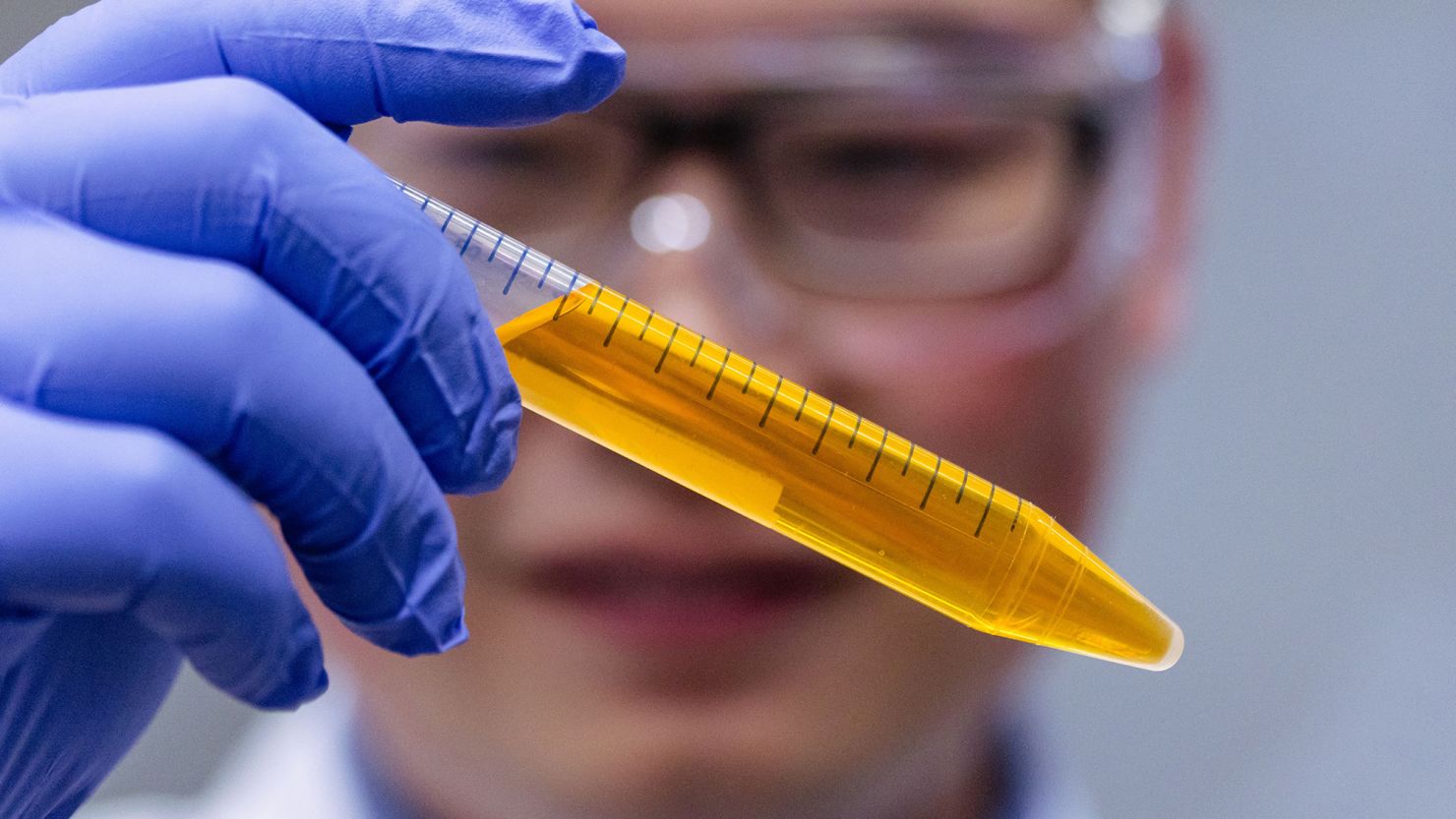
A startling new study has found that a commonly used yellow food dye, Tartrazine, found in popular snacks such as chips and candy corn, can cause an unusual side effect in mice: transparent skin. This research, conducted by scientists at a leading university, raises important questions about the safety of artificial food colorings in human consumption.
The Study: Surprising Findings
Researchers conducted the study by feeding mice a diet rich in Tartrazine, also known as Yellow No. 5, over a period of several weeks. The dye, which is used in a variety of brightly colored foods, snacks, and beverages, is one of the most commonly used synthetic dyes worldwide. While the dye has been deemed safe by food regulators in many countries, this study revealed unexpected results.
Within two weeks, researchers noticed that the mice’s skin began to thin and lose its pigmentation, eventually becoming nearly transparent. The dye appeared to affect collagen production and the skin’s ability to maintain its natural color. In some cases, the transparency became so pronounced that the mice’s internal organs were visible through their skin.
How Does the Dye Work?
The exact mechanism by which Tartrazine caused this unusual skin reaction is still under investigation. Scientists believe that the dye may interfere with certain proteins in the skin that are responsible for structural integrity and pigment retention. The transparency appears to be linked to a disruption in the way cells produce and store melanin, the pigment that gives skin its color.
While the results are alarming in mice, it remains unclear whether the same effects would occur in humans. However, the study raises important concerns about the long-term effects of artificial dyes on human health, particularly with regular consumption of foods high in synthetic additives.
Implications for Human Consumption
Yellow No. 5 has long been under scrutiny due to concerns over potential allergic reactions and hyperactivity in children. This new study adds to the growing body of evidence suggesting that artificial food dyes may have previously unknown health effects. Although human skin transparency is unlikely, this research could prompt a reevaluation of how much of the dye is considered safe in everyday diets.
Some health advocates have already called for more rigorous testing of food dyes and other artificial ingredients, urging consumers to be cautious about eating highly processed, colorful snacks.
What’s Next?
While this study was conducted on mice, researchers are now planning to explore the dye’s effects in other animals and, eventually, its potential impact on humans. In the meantime, they are encouraging the public to limit consumption of artificially dyed foods, especially in young children, whose developing bodies may be more susceptible to these types of chemicals.
As artificial dyes continue to be a staple in many processed foods, the debate over their safety is likely to intensify. Regulatory agencies like the U.S. Food and Drug Administration (FDA) and the European Food Safety Authority (EFSA) may face pressure to reexamine their safety guidelines in light of this new evidence.
Conclusion
The discovery that a yellow food dye used in popular snacks can make mice’s skin transparent has sparked concern and calls for further research. While no direct risks to humans have been identified, the study underscores the need for more comprehensive testing of artificial ingredients. For now, the safest bet might be to opt for more natural, less processed food choices when possible.