Israel Issues Evacuation Warning for Lebanon’s Baalbek Amid Rising Tensions
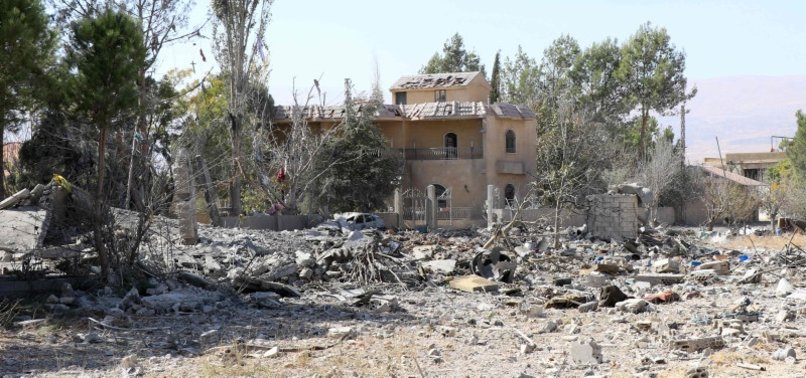
As tensions continue to escalate along the Israel-Lebanon border, the Israeli government has issued an evacuation warning for residents in Baalbek, a city in eastern Lebanon. This move comes amid heightened hostilities between Israel and Hezbollah, the Lebanese militant group, as both sides prepare for potential cross-border confrontations. The warning marks a serious development in the ongoing conflict, which has affected both Israeli and Lebanese border communities and raised international concerns over regional stability.
Rising Hostilities Along the Israel-Lebanon Border
Recent weeks have seen an intensification of hostilities along the Israel-Lebanon border, with multiple incidents of rocket fire, airstrikes, and cross-border skirmishes. Hezbollah, a prominent political and military force in Lebanon, has engaged in several confrontations with Israeli forces as part of its alliance with Palestinian militant groups, primarily Hamas, which Israel has been targeting in Gaza.
The escalation follows ongoing violence in Gaza, where Israel has launched operations against Hamas following a surge in militant activity. Hezbollah has publicly expressed its support for Hamas and condemned Israeli actions, leading to sporadic clashes along the Israel-Lebanon border. Both sides have suffered casualties, and Israel’s evacuation warning for Baalbek highlights the potential for these skirmishes to evolve into a wider conflict.
The Strategic Significance of Baalbek
Baalbek, located in Lebanon’s Bekaa Valley, is a historically significant city known for its Roman ruins and cultural heritage. However, it also holds strategic importance due to its proximity to Hezbollah strongholds in the Bekaa region, where the group reportedly maintains training camps and weapons depots. Given the potential military significance, Israel’s warning indicates that it may target the area if hostilities with Hezbollah escalate further.
The evacuation warning is Israel’s attempt to mitigate civilian casualties if Baalbek is drawn into the conflict, as previous operations have demonstrated the city’s potential to become a target in regional conflicts involving Hezbollah.
Regional and International Repercussions
The evacuation warning has raised concerns among Lebanese civilians, many of whom fear displacement and damage to Baalbek’s cultural sites. Lebanese authorities and international organizations have urged restraint to protect civilians and preserve the region’s heritage. The Lebanese government has condemned Israel’s warning as an act of intimidation, calling on the United Nations and global powers to intervene and prevent an escalation.
The United Nations Interim Force in Lebanon (UNIFIL), which has peacekeeping forces along the Israel-Lebanon border, has expressed concern over the rising tensions and is calling on both sides to exercise restraint. The UN Security Council has also held meetings to address the growing instability, but diplomatic efforts have yet to de-escalate the situation.
The Potential for Wider Conflict
The conflict between Israel and Hezbollah has far-reaching implications for Lebanon and the broader Middle East. Lebanon is already grappling with an economic crisis, political instability, and a fragile infrastructure. A full-scale conflict with Israel would place a tremendous burden on the Lebanese people and economy, potentially leading to large-scale displacement and humanitarian crises.
For Israel, expanding the conflict with Hezbollah would stretch its military resources as it concurrently manages operations in Gaza. Furthermore, it risks drawing in additional regional players, particularly Iran, which backs Hezbollah and Hamas.
Calls for International Mediation
The international community is closely monitoring the situation, with calls for diplomatic intervention to prevent further escalation. Key global powers, including the United States, the European Union, and Russia, have urged both Israel and Hezbollah to avoid actions that could lead to open conflict. However, with violence on the rise, achieving a long-term resolution may prove challenging.
Conclusion
Israel’s evacuation warning for Baalbek highlights the volatile situation along the Israel-Lebanon border and underscores the potential for regional instability. While the warning is intended to protect civilians, it also signals Israel’s readiness to target areas associated with Hezbollah if hostilities continue. The international community faces a complex task in trying to de-escalate the conflict and prevent further loss of life in both Lebanon and Israel.