Tentative Green Energy Shoots at Risk from U.S. Vote Uncertainty
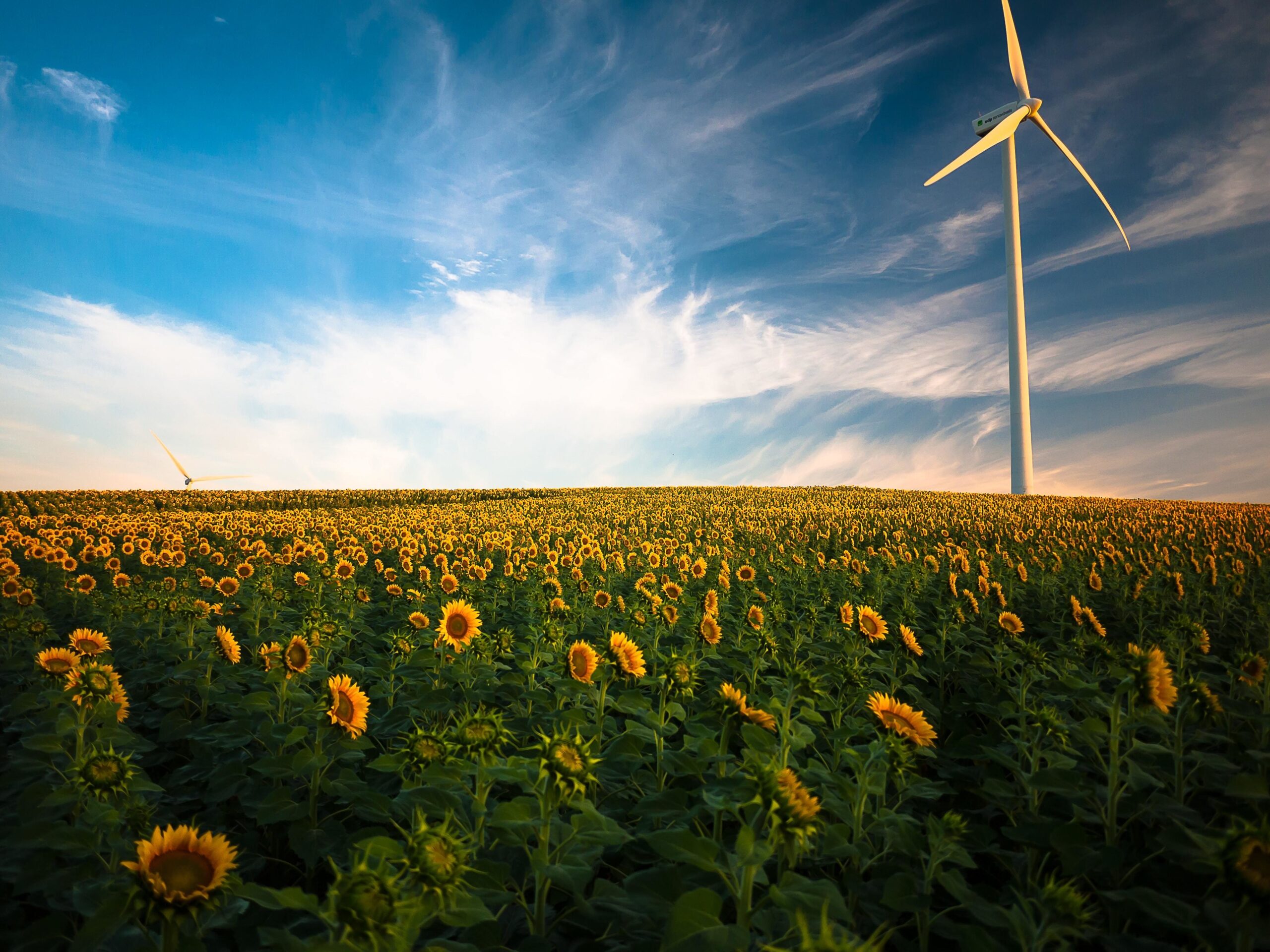
As the United States grapples with significant political uncertainty leading up to the upcoming elections, the green energy sector finds itself in a precarious position. Although recent years have seen a surge in investments and advancements in renewable energy technologies, the potential for shifts in policy and funding due to election outcomes has raised concerns among industry leaders and environmental advocates alike.
The Current State of Green Energy in the U.S.
In recent years, the U.S. has witnessed a growing commitment to green energy sources such as solar, wind, and battery storage. Federal and state incentives, coupled with falling costs for renewable technologies, have spurred growth in the sector. The Biden administration has set ambitious targets for reducing carbon emissions, aiming for a clean energy economy and a significant increase in the use of renewable sources. The Inflation Reduction Act, passed in 2022, was a landmark piece of legislation that provided substantial tax incentives for renewable energy projects, spurring investment and innovation.
However, the political landscape is fraught with uncertainty as the country approaches pivotal elections. The possibility of changes in leadership and policy priorities raises questions about the future of these initiatives.
Election Uncertainty and Its Impact
The impending elections could bring substantial shifts in political power, particularly if the balance of Congress changes. A Republican majority could lead to reduced support for green energy initiatives, as many Republican lawmakers have historically favored fossil fuel industries and questioned the efficacy of climate change policies. This potential shift could result in:
- Cuts to Incentives: Any reduction in federal tax credits or grants could slow down the growth of renewable projects. The green energy sector relies heavily on these incentives to remain competitive with traditional energy sources.
- Regulatory Rollbacks: A change in administration might also lead to the rollback of environmental regulations that promote clean energy development. This could create a less favorable landscape for renewable energy companies.
- Investor Hesitation: The uncertainty surrounding future policies could lead to hesitancy among investors. With billions of dollars at stake, stakeholders may pause funding decisions until after the elections, potentially stalling new projects and innovations.
Voices from the Industry
Industry leaders have expressed concern over the potential ramifications of the upcoming elections. Many see the need for bipartisan support to ensure the stability and growth of the green energy sector. “The green energy transition is not a partisan issue; it’s a necessity for our future,” said one renewable energy executive. “We need consistent policies and support to attract the investment required to combat climate change and transition to a sustainable economy.”
Environmental advocates echo these sentiments, stressing the importance of maintaining momentum in the fight against climate change. “The progress we’ve made in the renewable sector is fragile,” stated a prominent environmental advocate. “We cannot afford to go backward. Policymakers must prioritize clean energy regardless of political affiliation.”
The Path Forward
As the election date approaches, the green energy sector remains hopeful but cautious. To mitigate the risks associated with political uncertainty, industry stakeholders are advocating for:
- Bipartisan Support: Building cross-party alliances to support clean energy initiatives can create a more stable policy environment. Engaging with lawmakers from both sides of the aisle is essential for maintaining progress.
- Public Awareness Campaigns: Educating the public about the importance of green energy can create a grassroots movement that influences political decision-making. Advocacy groups are ramping up efforts to inform citizens about the benefits of renewable energy.
- Long-term Planning: Companies in the renewable sector are encouraged to develop long-term strategies that account for potential changes in policy. Diversifying investments and projects can help mitigate risks associated with regulatory shifts.
Conclusion
The green energy sector stands at a critical juncture as uncertainty looms over the upcoming elections in the United States. While there is undeniable momentum and progress in renewable energy, the potential for significant policy changes poses risks to its growth. By fostering bipartisan support, raising public awareness, and planning for the future, stakeholders can work to ensure that the progress made in renewable energy continues, regardless of the political landscape. As the nation votes, the outcome will undoubtedly shape the future of green energy in the U.S. and its role in combating climate change.