New Mexico Studies Oil Drilling Restrictions That Would Hit Output, Revenue
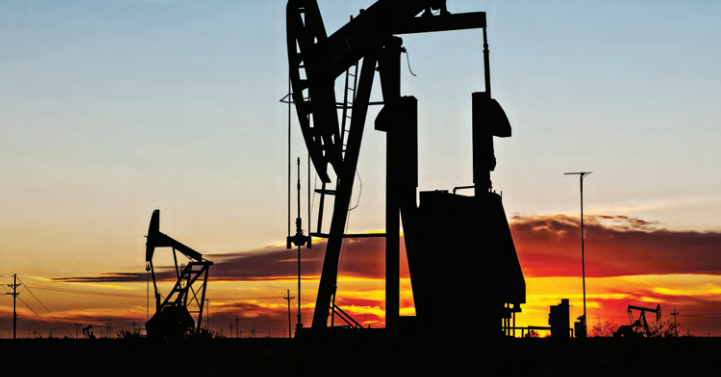
New Mexico, a major player in the U.S. oil and gas industry, is considering new regulations that could significantly restrict oil drilling activities. These potential restrictions come at a time when the state’s economy heavily relies on revenue generated from oil production, raising concerns among stakeholders about the impact on output and overall economic stability.
The Importance of Oil Production in New Mexico
New Mexico is the second-largest oil producer in the United States, primarily due to the Permian Basin, which spans across southeastern New Mexico and west Texas. The oil and gas sector is a cornerstone of the state’s economy, providing jobs, funding public services, and contributing to state revenue. In fiscal year 2022, the oil and gas industry accounted for approximately 40% of New Mexico’s general fund revenue, making it a crucial economic driver.
Proposed Drilling Restrictions
The proposed regulations under consideration are part of an effort to address environmental concerns associated with oil drilling, particularly related to greenhouse gas emissions and water usage. State officials, including the New Mexico Energy, Minerals and Natural Resources Department, are evaluating several measures that could include:
- Limiting New Drilling Permits: The state is contemplating restrictions on the issuance of new drilling permits, especially in sensitive ecological areas. This could curtail future oil production capacity.
- Increased Environmental Assessments: Proposed regulations may require more comprehensive environmental impact assessments before any new drilling activities can commence. This added bureaucracy could delay projects and discourage investment in new drilling operations.
- Stricter Emission Standards: In line with national efforts to combat climate change, New Mexico is looking at imposing stricter emissions regulations on oil producers, potentially increasing operational costs for companies.
Potential Impacts on Output and Revenue
While the proposed restrictions aim to balance environmental protection with economic interests, they could have significant repercussions for oil production and state revenue:
- Decreased Production: Limiting new drilling permits and imposing stricter regulations could lead to a decrease in overall oil production. This reduction in output may affect New Mexico’s position as a leading oil producer in the country.
- Loss of Revenue: With decreased oil production comes a decline in revenue generated from taxes and royalties. As the state grapples with budgetary constraints and funding for essential services, any loss in revenue could hinder economic growth and development.
- Job Losses: The oil and gas industry supports thousands of jobs in New Mexico. If production declines due to regulatory restrictions, job losses could occur across various sectors, from drilling and extraction to supply chain and transportation.
Industry Response
The oil and gas industry has voiced concerns over the proposed restrictions. Industry leaders argue that the regulations could stifle economic growth and lead to job losses. They emphasize the need for a balanced approach that considers both environmental sustainability and economic viability.
- Investment Concerns: Companies may reconsider investing in New Mexico if regulatory uncertainties persist. The potential for increased operational costs and regulatory hurdles could lead to a slowdown in exploration and development activities.
- Advocacy for Energy Transition: While the industry supports responsible drilling practices, some stakeholders advocate for a gradual transition towards renewable energy sources. They believe that the state should invest in technologies that reduce emissions while allowing continued oil production.
The Path Forward
As New Mexico navigates the complexities of balancing environmental concerns with economic interests, state officials will need to engage in comprehensive dialogue with industry stakeholders, environmental groups, and the public. Policymakers face the challenge of developing regulations that protect the environment while ensuring the continued viability of the oil and gas sector.
Conclusion
The potential oil drilling restrictions under consideration in New Mexico present a significant challenge for the state, with implications for production, revenue, and employment. As the state weighs its options, it must find a path that supports economic growth while addressing pressing environmental issues. The outcome of this regulatory process will shape the future of New Mexico’s energy landscape and its economy for years to come.