Trump Hates Biden’s Climate Law: His Allies Are Making Money From It
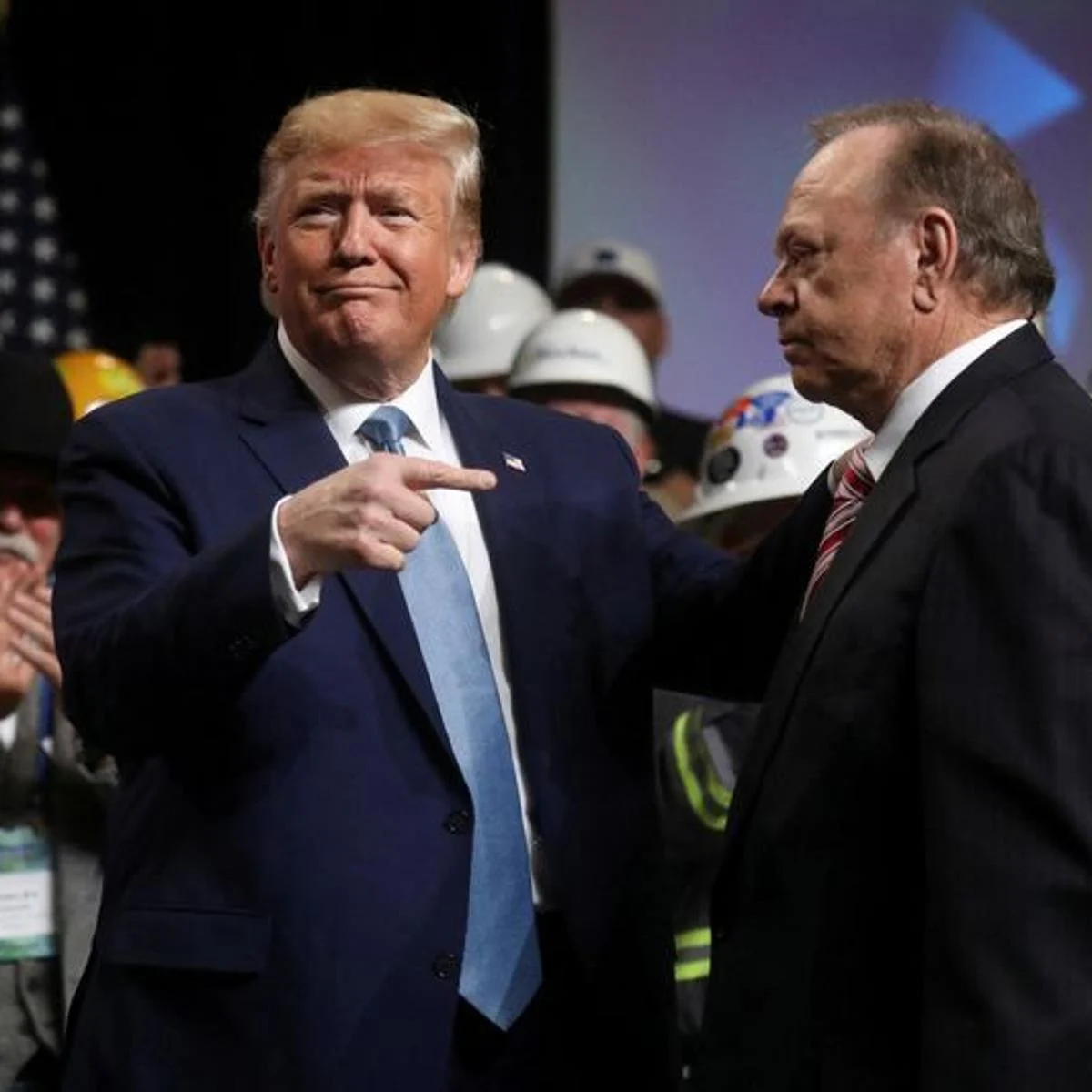
Former President Donald Trump has been a vocal critic of President Joe Biden’s climate policies, particularly the Inflation Reduction Act (IRA), which aims to tackle climate change and promote clean energy. Despite Trump’s opposition, his allies have found ways to profit from the very policies he denounces, highlighting a complex and often contradictory landscape in American politics.
Understanding the Inflation Reduction Act
The Inflation Reduction Act, passed in 2022, represents one of the most significant investments in climate change mitigation and renewable energy in U.S. history. The law allocates approximately $369 billion toward clean energy programs, tax credits for electric vehicles, and incentives for energy-efficient upgrades in homes and businesses. Its goals include reducing greenhouse gas emissions, promoting energy independence, and creating green jobs.
Trump’s Opposition to Climate Policy
Trump’s disdain for Biden’s climate agenda stems from his broader skepticism about climate change and its implications for the economy. He has repeatedly characterized the IRA as a threat to American jobs and energy independence, claiming it would lead to job losses in traditional fossil fuel sectors. In his speeches and social media posts, Trump has framed Biden’s climate initiatives as part of a “radical” agenda that could stifle economic growth and innovation.
The Profit Motive: Allies Cashing In
Ironically, some of Trump’s allies have found lucrative opportunities within the framework of Biden’s climate policies. As the demand for clean energy technologies and infrastructure grows, businesses connected to the former president are strategically positioning themselves to benefit.
- Renewable Energy Companies: Several companies linked to Trump’s associates are diversifying their portfolios to include renewable energy projects. For instance, businesses that were traditionally focused on fossil fuels are now investing in solar and wind energy initiatives, taking advantage of federal incentives provided by the IRA.
- Tax Credits and Incentives: The IRA includes substantial tax credits for businesses and individuals investing in renewable energy. Trump-aligned firms that adapt to these incentives stand to benefit financially. By pivoting to green technologies, these companies can tap into a growing market while simultaneously enjoying tax breaks, effectively monetizing Biden’s climate policies.
- Infrastructure Development: The act also emphasizes infrastructure development related to clean energy, creating opportunities for construction and engineering firms. Some firms with ties to Trump and his administration are vying for contracts to develop renewable energy infrastructure, further linking their financial success to the policies they publicly oppose.
The Political Paradox
This situation presents a notable paradox in American politics. While Trump and his allies publicly criticize Biden’s climate initiatives, they simultaneously seek to capitalize on the financial opportunities arising from them. This duality raises questions about the sincerity of their opposition and the broader implications for policy-making.
- Public Relations vs. Profit: Trump’s rhetoric against Biden’s climate agenda resonates with a base that prioritizes traditional energy jobs. However, as his allies profit from green technologies, it exposes a disconnect between political messaging and economic reality. This divergence could lead to increasing scrutiny from both political opponents and supporters who expect genuine alignment between beliefs and actions.
- Impact on Energy Policy: The growing involvement of Trump’s allies in the renewable energy sector might influence future Republican energy policies. As more traditional energy firms adapt to the clean energy landscape, there may be a shift within the party towards a more accommodating stance on climate policy, blurring the lines of ideological opposition.
Conclusion
The tension between Trump’s vocal opposition to Biden’s climate law and the financial gains of his allies underscores a complex dynamic in American politics. As the nation grapples with the urgent need to address climate change, the actions of those who publicly denounce such efforts while profiting from them highlight the multifaceted nature of policy and profit. This irony may shape future political discourse, as the need for a sustainable energy future continues to evolve. As more players enter the renewable energy arena, the dialogue surrounding climate change and energy policy will likely shift, creating new opportunities and challenges in the years to come.