The Greek Islands Grapple with Severe Water Crisis Amid Climate Change
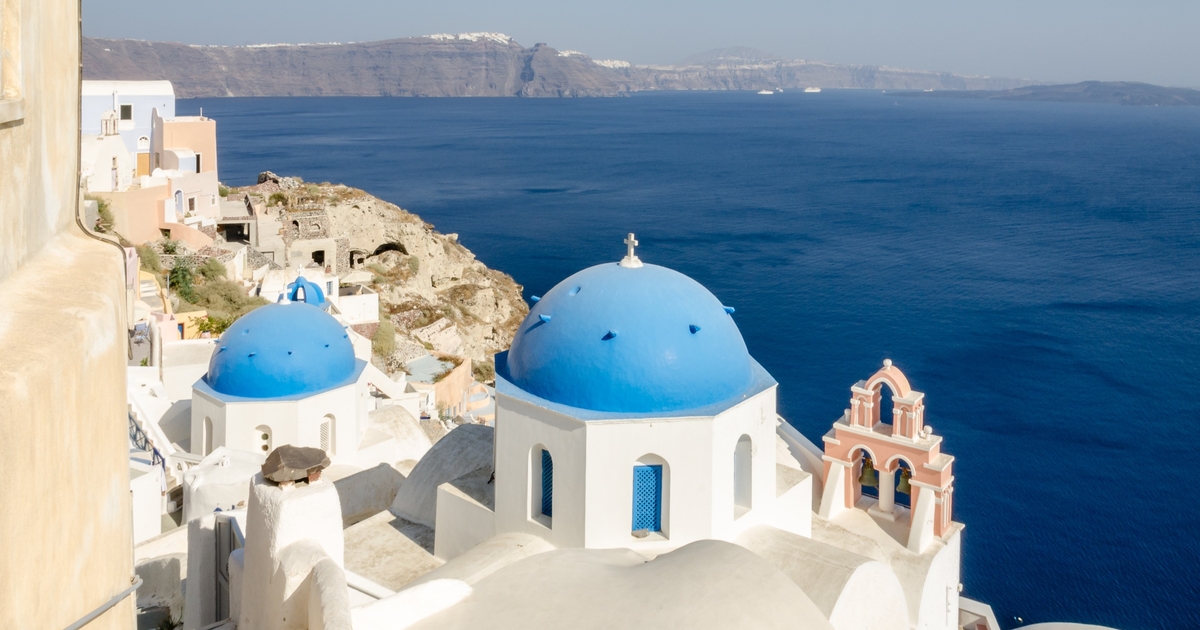
The Greek Islands Grapple with Severe Water Crisis Amid Climate Change
The Greek islands, renowned for their stunning landscapes, azure waters, and historic charm, are now grappling with an intensifying water crisis that threatens both daily life and the region’s vital tourism industry. As climate change exacerbates droughts, and population demands soar during the summer months, local governments and residents are struggling to manage diminishing freshwater supplies.
Drought and Scarce Resources
The Aegean and Ionian islands, particularly smaller and more remote ones, are facing acute water shortages. Years of erratic rainfall patterns and higher-than-average temperatures have depleted natural reservoirs, leaving many islands without adequate freshwater sources. In some cases, these islands have no natural water reserves at all and have long relied on water imports from the mainland. However, with climate change causing longer dry spells and increased evaporation rates, these shipments are often insufficient to meet demand.
On islands like Mykonos, Santorini, and Rhodes, where the population swells with millions of tourists during peak season, the strain on water resources has reached unprecedented levels. Desalination plants—installed on several islands to convert seawater into drinkable water—are running at full capacity, yet they often cannot keep pace with the consumption required for the influx of tourists, as well as agricultural and local needs.
Impact on Tourism and Local Communities
Tourism, the backbone of the Greek economy, is being hit hard by the crisis. Hotels, restaurants, and resorts are facing challenges with water rationing, which threatens their ability to provide basic services to guests. Some hotels have been forced to impose restrictions on water use, asking guests to conserve as much as possible by limiting showers, using less water for cleaning, and even rationing the use of swimming pools.
Meanwhile, local residents, many of whom already deal with the scarcity in the off-season, are finding it even more difficult to access sufficient water for daily use. Farmers are also being affected, as limited water supplies hinder their ability to irrigate crops, further damaging the island’s local food production and economy.
In some areas, the situation has become so dire that locals and businesses have resorted to importing bottled water for drinking and cooking, adding both cost and environmental waste. The pressure on infrastructure, combined with rising tensions between locals and seasonal visitors over resource allocation, has left communities in a precarious situation.
Government Response and Long-Term Solutions
The Greek government, along with local island authorities, has acknowledged the growing water crisis and is scrambling to find sustainable solutions. Efforts are underway to expand and upgrade desalination plants, improve water conservation measures, and invest in modern infrastructure that reduces waste and leakage.
However, these measures are costly and often difficult to implement across the diverse and geographically fragmented island regions. Water shortages have sparked discussions about the need for stricter water usage regulations and education campaigns focused on conservation, targeting both tourists and locals.
There is also growing interest in renewable energy-powered desalination systems, which could provide a more sustainable solution to the islands’ water needs. Solar and wind-powered plants are being explored as alternatives to conventional systems, reducing reliance on fossil fuels and easing the financial burden on the island economies.
Climate Change and the Future
Experts warn that the Greek islands’ water crisis is likely to worsen in the coming years as climate change accelerates, bringing more frequent and severe droughts. Rising sea levels and shifting weather patterns will continue to put pressure on already limited freshwater resources, making it imperative for Greece to adapt quickly.
While temporary measures can help alleviate immediate needs, long-term planning is essential to protect the islands’ ecosystems and ensure the future of their tourism-driven economies. The water crisis is also a wake-up call for the global community, highlighting the need for stronger climate action to mitigate the growing impact of water scarcity in vulnerable regions.
The Greek islands, with their ancient histories and iconic beauty, now face the modern challenge of managing an increasingly fragile resource in an era of changing climates—a challenge that, if left unresolved, could threaten the islands’ way of life for generations to come.