‘Save the Whales’ Was a Shining Success: How a Grassroots Movement Changed the World
‘Save the Whales’ Was a Shining Success: How a Grassroots Movement Changed the World
The slogan “Save the Whales” is iconic, evoking memories of a time when passionate environmentalists rallied to protect one of Earth’s most majestic creatures. Launched in the 1970s, this grassroots movement was a driving force behind one of the most successful conservation campaigns in history. Today, it stands as a shining example of how global awareness, activism, and policy change can work together to protect endangered species.
The Origins of ‘Save the Whales’
The movement began at a time when commercial whaling had driven many whale species to the brink of extinction. For centuries, whales had been hunted for their oil, blubber, and meat. By the mid-20th century, industrial whaling had decimated whale populations across the globe, with some species like the blue whale and the humpback whale experiencing catastrophic declines. The world’s oceans were being emptied of these magnificent animals, and little was being done to stop it.
In response, environmental activists, scientists, and concerned citizens began raising awareness about the plight of whales. Greenpeace, one of the leading environmental organizations of the time, launched high-profile campaigns to protest whaling activities, often placing their ships between whalers and their prey. Images of Greenpeace boats confronting whaling ships captured the world’s attention, turning the “Save the Whales” slogan into a rallying cry for a new generation of environmentalists.
The Impact of Public Awareness
One of the most powerful aspects of the “Save the Whales” movement was its ability to raise public awareness about the issue. Before the campaign, most people had little knowledge of whaling or the threats facing whale populations. The movement changed that by shining a spotlight on the cruelty and unsustainability of commercial whaling.
Through documentaries, public protests, and media campaigns, the movement educated people about the importance of whales in the ocean ecosystem and the moral imperative to protect them. As a result, public opinion began to shift, and the pressure on governments to act grew stronger.
In the 1970s and 1980s, awareness of issues like pollution, deforestation, and species extinction was rising, and the plight of the whales became a symbol of the broader environmental movement. The message was simple but powerful: if we couldn’t save the whales, what could we save?
International Policy Wins
The “Save the Whales” movement’s efforts culminated in significant policy changes at the international level. One of the most important victories came in 1982 when the International Whaling Commission (IWC) voted to impose a moratorium on commercial whaling. This was a watershed moment for whale conservation, as it effectively banned the practice that had driven so many whale species to the brink of extinction.
The IWC moratorium, which took effect in 1986, was a direct result of the pressure applied by environmental activists, governments, and the global public. It represented a major turning point in the battle to protect whales, allowing populations to begin to recover after decades of unchecked slaughter.
In addition to the moratorium, several countries, including the United States and Australia, enacted national laws to protect whales and other marine mammals. These laws further strengthened global efforts to safeguard whale populations, creating marine sanctuaries and establishing stricter regulations on activities like fishing and shipping that could harm whales.
The Recovery of Whale Populations
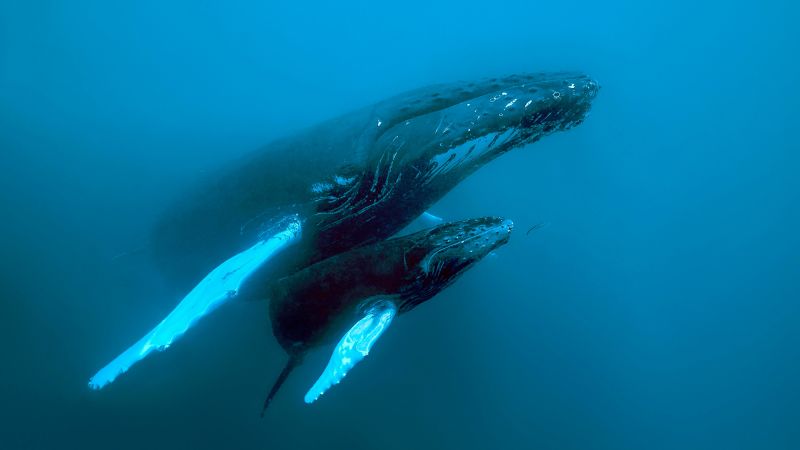
Thanks to these efforts, many whale species have made remarkable recoveries in recent decades. Humpback whales, for example, were once hunted nearly to extinction but have since rebounded in several regions. In 2022, some populations of humpback whales were even removed from the endangered species list, a testament to the success of the conservation efforts that began with the “Save the Whales” movement.
Other species, such as the blue whale and the fin whale, are also showing signs of recovery, though they remain endangered and continue to face threats from ship strikes, entanglement in fishing gear, and climate change. While the battle to protect whales is far from over, the progress made so far is a clear indication that collective action can lead to real, positive change.
A Legacy of Environmental Activism
The “Save the Whales” campaign not only helped to protect whale populations but also left a lasting legacy for the environmental movement as a whole. It demonstrated the power of grassroots activism to influence international policy, galvanize public opinion, and bring about real change. The movement’s success inspired a generation of environmentalists and laid the groundwork for future campaigns to protect endangered species, combat climate change, and preserve natural habitats.
Moreover, the campaign underscored the importance of global cooperation in addressing environmental challenges. The efforts to save the whales involved activists, governments, scientists, and citizens from all over the world, showing that protecting the planet requires collective action on an international scale.
Conclusion
The “Save the Whales” movement remains one of the most successful and enduring conservation campaigns in history. It saved several species from the brink of extinction, sparked a global conversation about the need to protect our planet’s wildlife, and set a powerful example of how activism and policy can work hand-in-hand to achieve lasting change.
While challenges remain, the story of “Save the Whales” is a reminder that when people come together to fight for a cause, even the most daunting problems can be overcome. Today, whales continue to swim in our oceans, a living testament to the success of a movement that refused to give up on saving them.